

 William Nye
⏱ 15 min
The global population is projected to reach 9.7 billion by 2050, a staggering increase that will necessitate a 70% rise in food production. This stark reality is already driving unprecedented innovation across the food industry, signaling a transformative shift by 2030 driven by biotechnology, vertical farming, and personalized nutrition. These converging forces promise to reshape how we grow, process, and consume food, offering solutions to sustainability challenges, food security, and individual well-being.
The Looming Food Crisis and the Dawn of Innovation
The traditional agricultural model, while historically effective, faces mounting pressures. Climate change, with its unpredictable weather patterns, droughts, and floods, directly impacts crop yields and livestock. Soil degradation, overuse of water resources, and the significant carbon footprint of conventional farming further exacerbate these issues. The COVID-19 pandemic highlighted the fragility of global supply chains, demonstrating how quickly disruptions can lead to food shortages and price volatility. This confluence of crises has created an urgent imperative for radical rethinking and the rapid adoption of advanced technologies. By 2030, it's clear that incremental changes will not suffice; a fundamental paradigm shift in food production and consumption is not just desirable, but essential for global stability and human survival. The innovations we are witnessing today are not mere trends, but vital responses to a growing existential threat.The Growing Demands of a Hungry Planet
The sheer scale of feeding a burgeoning global population is a challenge that traditional methods are increasingly struggling to meet. Limited arable land, dwindling freshwater reserves, and the environmental impact of intensive farming practices are creating a perfect storm of constraints. Projections from organizations like the Food and Agriculture Organization of the United Nations (FAO) consistently underscore the need for increased efficiency and novel approaches. This growing demand, coupled with environmental limitations, forms the bedrock upon which much of the current food innovation is built. The next decade will be critical in demonstrating the scalability and efficacy of these new solutions.Environmental Footprints of Traditional Agriculture
The environmental toll of conventional agriculture is substantial and multifaceted. Greenhouse gas emissions from livestock and fertilizer use, deforestation for farmland expansion, and the pollution of waterways from agricultural runoff are significant contributors to climate change and ecosystem degradation. According to the United Nations Environment Programme, agriculture accounts for about a quarter of global greenhouse gas emissions. By 2030, the pressure to reduce this footprint will intensify, driving a greater reliance on technologies that minimize land use, water consumption, and chemical inputs. Understanding these impacts is crucial to appreciating the value proposition of emerging food technologies.Biotechnology: Engineering the Future of Our Plates
Biotechnology is at the forefront of revolutionizing food production, offering solutions that enhance efficiency, sustainability, and nutritional value. Gene editing technologies like CRISPR-Cas9 are enabling the development of crops that are more resilient to pests and diseases, require less water and fertilizer, and possess improved nutritional profiles. For instance, Golden Rice, engineered to produce beta-carotene, aims to combat Vitamin A deficiency in developing countries. Beyond crops, biotechnology is also driving advancements in alternative proteins. Cultivated meat, grown directly from animal cells, promises to significantly reduce the environmental impact of meat production, while precision fermentation is creating novel ingredients like animal-free dairy proteins and enzymes with greater efficiency and sustainability.CRISPR and the Next Generation of Crops
CRISPR-Cas9 technology has been a game-changer, allowing scientists to make precise edits to the DNA of plants with unprecedented ease and speed. This enables the development of crops with desirable traits such as drought tolerance, increased yield, and enhanced nutrient content. By 2030, we can expect to see a wider array of CRISPR-edited crops in the market, offering farmers more robust options and consumers healthier, more sustainable food choices. Research is also focused on developing crops that can thrive in challenging environments, potentially unlocking new regions for food production.The Rise of Alternative Proteins
The environmental and ethical concerns surrounding traditional animal agriculture are fueling a surge in alternative protein development. Cultivated meat, also known as lab-grown or cell-based meat, involves growing muscle tissue from animal cells in a laboratory setting. While still facing regulatory hurdles and scaling challenges, the technology is advancing rapidly. Precision fermentation uses microorganisms to produce specific proteins, such as dairy proteins without cows. Plant-based meat alternatives have already gained significant market share, and by 2030, the landscape will be further diversified with a range of novel protein sources, offering consumers choices that align with their values and dietary preferences.Precision Fermentation: Crafting Ingredients with Purpose
Precision fermentation is a powerful tool for creating complex food ingredients. By programming microorganisms like yeast or bacteria to act as tiny factories, producers can generate specific proteins, fats, vitamins, and flavors. This approach offers a more sustainable and efficient way to produce ingredients traditionally derived from animals or through resource-intensive agricultural processes. Think of creating whey protein without cows or producing heme for plant-based burgers. By 2030, precision fermentation will be a cornerstone in the development of innovative food products, enabling greater customization and reduced environmental impact.| Category | 2023 (Est.) | 2030 (Projected) | CAGR (2023-2030) |
|---|---|---|---|
| Plant-Based Meat | 8.5 | 25.0 | 16.8% |
| Cultivated Meat | 0.1 | 5.0 | 70.0% |
| Precision Fermentation Ingredients | 1.2 | 8.0 | 31.0% |
Vertical Farming: Cultivating Cities, Sustaining Populations
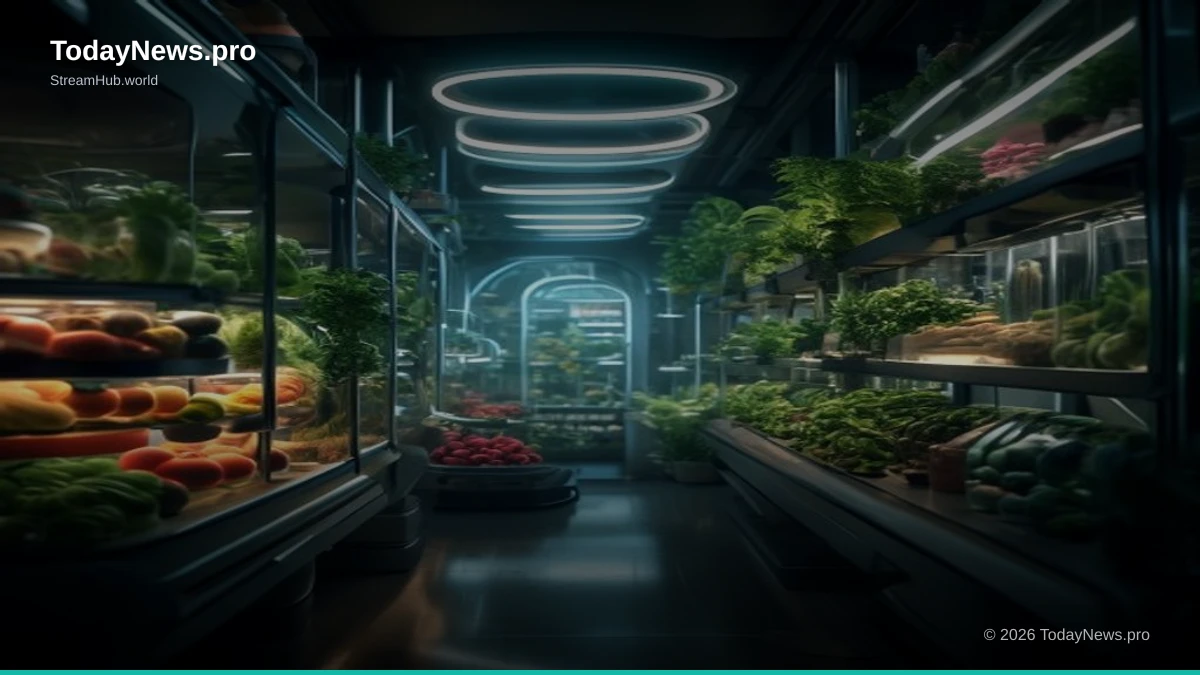
Vertical farming, the practice of growing crops in vertically stacked layers, often in controlled environments, is set to become a significant contributor to urban food security. These farms can be established in urban centers, reducing transportation costs and emissions, and providing fresh produce year-round, irrespective of external weather conditions. By utilizing hydroponic, aeroponic, or aquaponic systems, vertical farms can use up to 95% less water than traditional agriculture. They also eliminate the need for pesticides, as the controlled environment minimizes pest infestation. By 2030, we will see a substantial increase in the number and scale of these operations, transforming urban landscapes and providing hyper-local food sources.The Urban Food Revolution
The migration of populations towards urban centers has created a growing disconnect between where food is produced and where it is consumed. Vertical farms offer a compelling solution by bringing food production directly into cities. This drastically cuts down on food miles, reducing transportation-related carbon emissions and ensuring fresher, more nutritious produce reaches consumers faster. The ability to grow a variety of leafy greens, herbs, and even certain fruits and vegetables within city limits is revolutionizing urban food systems, making them more resilient and sustainable.Resource Efficiency: Water and Land Savings
One of the most compelling advantages of vertical farming is its unparalleled resource efficiency. Traditional agriculture is a major consumer of water, often relying on extensive irrigation. Vertical farms, through closed-loop hydroponic and aeroponic systems, recirculate water, leading to dramatic savings. Furthermore, by stacking crops vertically, these farms can produce significantly more food on a smaller land footprint compared to conventional methods. This is crucial in densely populated urban areas where land is at a premium. By 2030, the water and land savings realized through vertical farming will be a key selling point and a significant driver of investment.Water Usage Comparison: Vertical Farm vs. Traditional Agriculture
Controlled Environment Agriculture (CEA) and Its Benefits
Controlled Environment Agriculture (CEA) is the overarching principle behind vertical farms. This approach allows for precise management of light, temperature, humidity, and CO2 levels, creating optimal growing conditions year-round. This control leads to predictable yields, enhanced crop quality, and the elimination of the need for pesticides and herbicides. By 2030, advancements in LED lighting, sensor technology, and automation will further optimize CEA systems, making vertical farming even more efficient and cost-effective. The resilience offered by CEA against external environmental factors is a critical advantage in an era of climate uncertainty.70%
Reduction in food spoilage
99%
Less water usage
100x
Higher yield per square foot
Personalized Nutrition: Tailoring Meals to Our DNA
The concept of "one size fits all" nutrition is rapidly becoming obsolete. Personalized nutrition leverages advances in genomics, microbiome analysis, and wearable technology to create dietary plans tailored to an individual's unique biological makeup, lifestyle, and health goals. By analyzing an individual's DNA, gut bacteria, and real-time physiological data, nutritionists and AI-powered platforms can provide highly specific recommendations for food choices, portion sizes, and meal timing. This approach promises to optimize health, prevent chronic diseases, and enhance athletic performance. By 2030, personalized nutrition will move from a niche luxury to a mainstream application, integrated into healthcare systems and everyday life.The Power of Genomics and Microbiome Data
Our genetic predispositions play a significant role in how our bodies process nutrients, our susceptibility to certain diseases, and even our taste preferences. The human microbiome, the vast community of microorganisms living in our gut, is equally influential, impacting digestion, immunity, and even mood. By analyzing these complex biological datasets, personalized nutrition platforms can identify individual needs and sensitivities. For example, someone might be genetically predisposed to have a slower metabolism of certain fats, or their microbiome might indicate a deficiency in a particular nutrient. This granular understanding allows for truly bespoke dietary advice.Wearable Technology and Real-Time Feedback
Wearable devices, from smartwatches to continuous glucose monitors, are becoming increasingly sophisticated, providing a constant stream of real-time physiological data. This data, combined with genetic and microbiome information, creates a dynamic picture of an individual's health. It can track nutrient absorption, energy expenditure, sleep patterns, and stress levels, all of which influence dietary needs. By 2030, these devices will be more seamlessly integrated into personalized nutrition platforms, allowing for adjustments to dietary recommendations on the fly, responding to an individual's changing needs throughout the day and week.
"We are moving towards an era where food is not just about sustenance, but about precise biological intervention. Understanding our individual genetic code and microbial landscape will empower us to eat for optimal health, disease prevention, and enhanced vitality. This is not science fiction; it's the imminent future of food."
— Dr. Anya Sharma, Chief Nutrigenomics Scientist
AI-Driven Dietary Recommendations and Meal Planning
Artificial intelligence (AI) is the engine driving the personalized nutrition revolution. AI algorithms can process vast amounts of complex data – genomics, microbiome analysis, wearable data, and even food databases – to generate actionable insights and personalized meal plans. These platforms can learn from user feedback, continuously refining recommendations to better suit individual palates and metabolic responses. By 2030, AI-powered nutrition apps will be sophisticated enough to suggest recipes, create grocery lists, and even monitor pantry inventory, making healthy eating effortless and highly effective.The Convergence: Synergy of Tech and Biology
The true power of the future of food lies not in isolated technologies, but in their convergence. Biotechnology provides the raw materials and enhanced ingredients, vertical farming offers sustainable and localized production, and personalized nutrition dictates what, when, and how much we should consume. By 2030, these sectors will be deeply intertwined. Imagine a vertical farm in a city center, growing gene-edited, nutrient-enhanced produce, which is then recommended by an AI-powered personalized nutrition app based on your DNA and real-time health data. This synergistic approach promises a food system that is more resilient, sustainable, equitable, and ultimately, healthier for both people and the planet.Integrated Food Systems: From Farm to Fork, Precisely
The integration of these technologies will create an unprecedented level of control and optimization across the entire food value chain. Biotechnology will ensure crops are robust and nutritious. Vertical farms will ensure fresh, local produce is available year-round. Personalized nutrition will then ensure that individuals consume the right foods for their specific needs. This closed-loop system minimizes waste, maximizes nutrient delivery, and reduces the environmental impact of food production and consumption. The efficiency gains will be monumental, impacting everything from agricultural output to public health outcomes.Data Analytics and the Smart Food Ecosystem
The data generated by genomics, microbiome sequencing, wearable devices, and smart farming systems will form the backbone of this new food ecosystem. Advanced analytics will identify trends, predict potential health issues, and optimize production cycles. This data-driven approach will allow for proactive rather than reactive food management, ensuring that food systems are not only efficient but also responsive to global and individual needs. By 2030, the "smart food ecosystem" will be a reality, with interconnected technologies creating a seamless and intelligent approach to feeding the world.
"The convergence of biotech, vertical farming, and personalized nutrition represents a paradigm shift. We're moving from an industrial food system to a bio-digital one, where data and biology work in harmony to create food that is both sustainable and uniquely beneficial to each individual. The next decade will be defined by this integration."
— Dr. Kenji Tanaka, Lead Food Systems Futurist
Challenges and Ethical Considerations
Despite the immense promise, the path to this future is not without its hurdles. Accessibility and affordability are significant concerns. Will these advanced technologies be available to everyone, or will they exacerbate existing inequalities? The ethical implications of genetic modification and the use of personal health data also require careful consideration. Ensuring consumer trust, establishing robust regulatory frameworks, and addressing potential job displacement in traditional agriculture are crucial steps. By 2030, society will be grappling with these questions, and proactive solutions will be essential for equitable adoption.Ensuring Accessibility and Affordability
A primary concern is ensuring that the benefits of these advanced food technologies are accessible to all, not just a privileged few. The cost of gene editing, sophisticated vertical farming equipment, and personalized genetic testing can be prohibitive. By 2030, significant efforts will be needed to drive down these costs through economies of scale, government subsidies, and innovative business models. The goal must be to create a food system that is both technologically advanced and socially equitable, preventing a further widening of the health and nutrition gap.Navigating the Ethical Landscape of Genetic Modification
The use of gene editing in food production raises important ethical questions. While CRISPR offers incredible benefits for crop improvement, concerns about unintended consequences and the "naturalness" of genetically modified organisms persist. Public perception and acceptance are vital. By 2030, clear, transparent communication, robust regulatory oversight, and ongoing public dialogue will be necessary to build trust and ensure that genetic modification is used responsibly and ethically. Wikipedia's entry on Genetic Engineering provides valuable context on this complex topic.Data Privacy and Security in Personalized Nutrition
The personalized nutrition revolution relies heavily on sensitive personal data, including genetic information and health records. Ensuring the privacy and security of this data is paramount. Robust cybersecurity measures, clear data usage policies, and strong consumer consent protocols are essential. By 2030, regulatory frameworks will need to evolve to address these new data challenges, safeguarding individuals' information while enabling the innovative applications that personalized nutrition offers.The Road Ahead: Predictions and Investor Outlook
The market for food technology is experiencing explosive growth, attracting significant investment from venture capital firms and established food corporations alike. By 2030, the global food tech market is predicted to be worth hundreds of billions of dollars. Investors are betting on the transformative potential of biotechnology, vertical farming, and personalized nutrition to address critical global challenges and create new economic opportunities. Early adopters and innovators in these sectors are poised for substantial growth, driven by increasing consumer demand for sustainable, healthy, and convenient food solutions.Market Projections and Investment Trends
The investment landscape for food technology is exceptionally vibrant. Venture capital funding for food startups has surged in recent years, with a particular focus on alternative proteins, cultivated meat, and precision agriculture. Major food corporations are also actively investing in or acquiring innovative startups, recognizing the need to adapt to changing consumer preferences and regulatory landscapes. By 2030, we can expect to see continued robust investment, with a growing emphasis on scaling these technologies and bringing them to broader consumer markets. According to Reuters, the food tech sector is projected for sustained growth.The Consumer Shift Towards Conscious Consumption
Consumers are increasingly aware of the environmental and health impacts of their food choices. This growing demand for sustainable, ethical, and healthy options is a major driver for innovation. Plant-based diets, reduced meat consumption, and a desire for transparent food sourcing are becoming mainstream. By 2030, this consumer-led revolution will further accelerate the adoption of biotechnological solutions, vertical farming, and personalized nutrition, as these technologies align with evolving consumer values and priorities.A Vision for 2030: A Resilient and Nourishing Food Future
By 2030, the food landscape will be significantly transformed. We will see gene-edited crops with enhanced resilience and nutrition becoming more common. Vertical farms will dot the urban skylines, providing fresh produce directly to city dwellers. Personalized nutrition will be an integral part of healthcare, with individuals receiving tailored dietary advice based on their unique biological profiles. While challenges remain, the trajectory is clear: a future where food is smarter, more sustainable, and more attuned to both planetary health and individual well-being.Will biotechnology make food more expensive?
Initially, some advanced biotechnological products might have higher price points due to research and development costs and scaled production. However, as technologies mature and economies of scale are achieved, like with genetically modified crops in the past, prices are expected to become more competitive, and in some cases, even lower due to increased efficiency and reduced resource needs.
Are vertical farms truly sustainable in terms of energy consumption?
Energy consumption, particularly for LED lighting, is a significant factor for vertical farms. However, ongoing advancements in LED efficiency, the use of renewable energy sources (solar, wind), and optimization of lighting schedules are continuously improving their sustainability profile. Furthermore, the drastic reduction in water usage and the elimination of long-distance transportation often offset the energy footprint, making them more sustainable than traditional agriculture in many urban contexts.
How will personalized nutrition protect my genetic data?
Companies offering personalized nutrition services will need to implement robust data encryption, secure storage protocols, and transparent privacy policies. Regulatory bodies like GDPR (General Data Protection Regulation) are setting standards for data handling. Consumers will have more control over their data, with clear consent mechanisms and the right to request data deletion. It will be crucial for consumers to choose providers with strong track records in data security and privacy.
What impact will these changes have on traditional farming jobs?
The shift towards new food technologies will undoubtedly bring changes to the agricultural workforce. While some traditional farming roles might diminish, new jobs will be created in areas like vertical farm operations, biotechnology research and development, data analysis for precision agriculture, and specialized roles in the personalized nutrition sector. Retraining and upskilling programs will be essential to support this transition.