

 William Nye
⏱ 15 min
The global population is projected to reach 9.7 billion by 2050, demanding a staggering 60% increase in food production. This stark statistic underscores the immense pressure on our current agricultural systems and the urgent need for transformative solutions. The very way we grow, process, and consume food is undergoing a radical overhaul, driven by cutting-edge biotechnology, revolutionary vertical farming techniques, and a growing emphasis on sustainable nutrition. These innovations are not just buzzwords; they represent a critical pivot towards ensuring food security and environmental stewardship for generations to come.
The Looming Food Crisis and the Dawn of Innovation
The traditional model of agriculture, while feeding billions for centuries, is increasingly showing its limitations. Climate change, with its unpredictable weather patterns, droughts, and floods, directly impacts crop yields. Soil degradation due to intensive farming practices reduces arable land, and water scarcity is becoming a pervasive global issue. Furthermore, the environmental footprint of conventional agriculture, including greenhouse gas emissions, deforestation, and water pollution from pesticides and fertilizers, is a significant concern. This complex web of challenges necessitates a paradigm shift, moving away from brute force production towards intelligent, efficient, and sustainable methods. The confluence of scientific advancement and a growing awareness of environmental impact has created fertile ground for a new era in food production and consumption.Historical Context: A Foundation for Change
For millennia, humanity's relationship with food has been dictated by the seasons and the land. Agricultural revolutions, from the Neolithic era to the Green Revolution, have dramatically increased food output, enabling population growth and societal development. However, these advancements often came with unintended consequences, such as monoculture, reliance on chemical inputs, and significant land-use change. The current challenges are distinct; they are not merely about increasing yield but about doing so sustainably and resiliently. The innovations emerging today are built upon this historical understanding, aiming to correct past imbalances and forge a more harmonious relationship between human needs and planetary health.The Driving Forces: Population, Climate, and Consciousness
The sheer scale of projected population growth presents an undeniable challenge. Feeding nearly 10 billion people will require more food produced from less land and water, with a lower environmental impact. Climate change exacerbates this by making traditional farming more precarious. Extreme weather events can decimate crops, leading to price volatility and food shortages. Beyond these existential threats, a growing global consciousness is emerging. Consumers are increasingly aware of the ethical and environmental implications of their food choices, demanding transparency, sustainability, and healthier options. This societal shift acts as a powerful catalyst, pushing industries to innovate and adopt more responsible practices.Biotechnology: Rewriting the DNA of Our Food
Biotechnology is at the forefront of reshaping agriculture, offering powerful tools to enhance crop resilience, nutritional value, and yield. Genetic engineering, a cornerstone of modern biotech, allows scientists to precisely modify the DNA of plants and animals to introduce desirable traits. This can range from developing drought-resistant crops that thrive in arid conditions to creating crops fortified with essential vitamins and minerals, directly addressing malnutrition. Beyond genetic modification, biotechnology encompasses a broader spectrum of innovations, including precision fermentation for producing alternative proteins and advanced breeding techniques.Genetic Engineering: Precision and Potential
The advent of CRISPR-Cas9 and other gene-editing technologies has revolutionized the speed and precision with which genetic modifications can be made. Unlike earlier forms of genetic modification, gene editing can make targeted changes to a plant's existing genes, often mimicking natural mutations. This allows for the development of crops with enhanced disease resistance, reducing the need for chemical pesticides. It also enables the creation of crops that can tolerate saline soils or extreme temperatures, expanding the potential for agriculture in challenging environments. For instance, research is underway to develop rice varieties that are more nutritious and resilient to flooding, a common issue in many rice-growing regions.Precision Fermentation: The Future of Protein
Precision fermentation is a groundbreaking technology that uses microorganisms, such as yeast or bacteria, to produce specific proteins and ingredients. By programming these microbes, scientists can create molecules identical to those found in animal-derived products, such as whey protein or heme, but without the need for livestock. This process is highly scalable, energy-efficient, and significantly reduces land and water requirements compared to traditional animal agriculture. Companies are already using precision fermentation to produce a range of ingredients for plant-based meats, dairy alternatives, and even complex molecules like egg whites. This technology offers a pathway to producing protein-rich foods with a fraction of the environmental impact.Biofortification: Tackling Hidden Hunger
Biofortification is the process of increasing the nutritional value of crops through conventional plant breeding or genetic engineering. This is a critical strategy for combating "hidden hunger," a form of malnutrition caused by a deficiency in essential micronutrients, such as Vitamin A, iron, and zinc. For example, "Golden Rice" has been engineered to produce beta-carotene, a precursor to Vitamin A, which can help prevent blindness and other health issues in populations where rice is a staple food. Similarly, iron-biofortified beans and zinc-biofortified wheat are being developed to improve the nutritional status of vulnerable communities worldwide.| Nutrient | Target Population | Estimated Increase in Intake | Health Benefit |
|---|---|---|---|
| Vitamin A | Children (under 5) | 20-50% | Reduced risk of night blindness and childhood mortality |
| Iron | Women of reproductive age | 15-30% | Reduced risk of iron-deficiency anemia |
| Zinc | Children (under 5) | 10-25% | Improved immune function and reduced risk of stunting |
Vertical Farming: Cultivating Cities, Nourishing Tomorrow
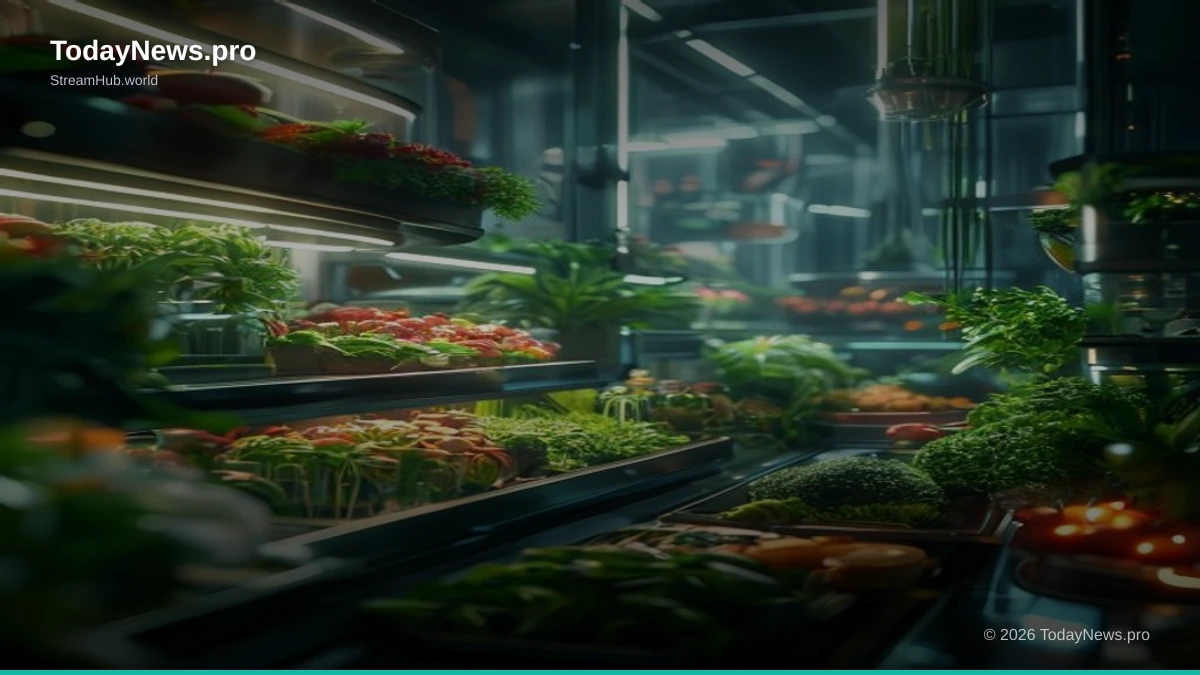
Vertical farming represents a radical departure from traditional agriculture, bringing food production directly into urban environments. By growing crops in vertically stacked layers within controlled indoor facilities, this method offers unparalleled efficiency and sustainability. These farms utilize soilless cultivation techniques, such as hydroponics, aeroponics, or aquaponics, combined with LED lighting and precise environmental controls. This allows for year-round production, regardless of external weather conditions, and significantly reduces water usage compared to conventional farming.The Hydroponic and Aeroponic Revolution
Hydroponics involves growing plants in nutrient-rich water solutions, while aeroponics uses mist to deliver nutrients to the plant roots. Both systems eliminate the need for soil, which can harbor pests and diseases and requires extensive land. In vertical farms, these techniques are integrated into multi-tiered systems, maximizing the use of space. The precise control over nutrient delivery ensures optimal plant growth, leading to faster harvest cycles and higher yields per square foot. This also means that crops grown in vertical farms often have a more consistent quality and flavor profile.Controlled Environment Agriculture (CEA): The Smart Farm
Vertical farms are a prime example of Controlled Environment Agriculture (CEA). Every aspect of the growing environment—temperature, humidity, CO2 levels, light spectrum, and nutrient delivery—is meticulously managed. This level of control minimizes the risk of crop failure due to pests or diseases, virtually eliminating the need for pesticides and herbicides. Furthermore, the tailored LED lighting can be optimized for specific crops, promoting faster growth and enhanced nutritional content. The efficiency of these systems means that less energy is consumed per unit of produce compared to transporting food long distances.Water Usage Comparison: Vertical Farm vs. Traditional Field (per kg of Lettuce)
Urban Farming and Reduced Food Miles
The ability to establish vertical farms in or near urban centers drastically reduces "food miles"—the distance food travels from farm to consumer. This not only cuts down on transportation costs and associated carbon emissions but also ensures that produce reaches consumers fresher, with a longer shelf life and higher nutrient retention. It also contributes to urban resilience by diversifying food sources and reducing reliance on distant agricultural regions susceptible to disruption. Imagine cities having their own integrated food production systems, supplying fresh produce directly to local markets and restaurants.90%
Less Water Used
300x
Higher Yield Per Acre
0%
Pesticide Use
12
Months of Production Annually
Sustainable Nutrition: Beyond the Plate
The future of food is not just about how we grow it, but also about what we eat and how it impacts our health and the planet. Sustainable nutrition aims to provide diets that are both healthy for people and beneficial for the environment. This involves a shift in dietary patterns, embracing plant-based foods, reducing reliance on resource-intensive animal products, and minimizing food waste. Innovations in food science are also playing a crucial role in developing nutrient-dense, sustainably produced alternatives.The Rise of Plant-Based and Alternative Proteins
The demand for plant-based foods has surged, driven by health concerns, environmental awareness, and ethical considerations. Innovations in food technology have made plant-based burgers, sausages, and dairy alternatives virtually indistinguishable from their animal-based counterparts in taste and texture. Beyond traditional plant proteins like soy and peas, new sources like algae, fungi, and insects are being explored for their nutritional value and low environmental footprint. These alternative proteins offer a scalable solution to meet the growing global demand for protein while reducing the environmental strain of conventional livestock farming."The convergence of biotechnology and culinary science is unlocking a new era of protein innovation. We're moving beyond simply mimicking animal products to creating entirely new, delicious, and sustainable food experiences."
— Dr. Anya Sharma, Food Scientist
Minimizing Food Waste: A Crucial Frontier
Food waste is a monumental problem, with an estimated one-third of all food produced globally being lost or wasted. This waste occurs at every stage, from farm to fork, and represents not only a loss of valuable resources like water, land, and energy but also contributes to greenhouse gas emissions when food decomposes in landfills. Innovations in food preservation technologies, smart supply chain management, and consumer education are crucial for tackling this issue. From biodegradable packaging that extends shelf life to apps that help consumers use up leftover ingredients, solutions are emerging on multiple fronts.Nutritional Genomics and Personalized Diets
Nutritional genomics, also known as nutrigenomics, is an emerging field that studies how our genes interact with the nutrients in our food. This understanding allows for the development of personalized dietary recommendations tailored to an individual's genetic makeup, lifestyle, and health goals. Such personalized approaches can optimize nutrient absorption, improve metabolic health, and prevent diet-related diseases more effectively. While still in its early stages, nutritional genomics holds the promise of transforming how we approach health and wellness through food.Challenges and Opportunities on the Horizon
Despite the immense promise of these innovations, the path forward is not without its hurdles. Scaling up new technologies, ensuring affordability and accessibility, and navigating complex regulatory landscapes are significant challenges. Public perception and acceptance of genetically modified foods and lab-grown products also play a crucial role in their widespread adoption.Regulatory Hurdles and Public Acceptance
The development and commercialization of novel food technologies often face stringent regulatory processes. Ensuring the safety of genetically edited crops or precision-fermented ingredients requires rigorous testing and transparent communication with regulatory bodies and the public. Public perception, influenced by misinformation and historical controversies, can be a major barrier. Educating consumers about the benefits and safety of these innovations, while addressing concerns transparently, is paramount for fostering trust and acceptance.Scaling Up and Affordability
Transitioning from pilot projects to large-scale commercial operations requires significant investment in infrastructure and technology. Making these advanced food production methods affordable and accessible to all segments of society is crucial for equitable food security. Innovations in automation, energy efficiency, and feedstock optimization are key to driving down costs. Government policies, subsidies, and public-private partnerships can also play a vital role in accelerating the adoption of sustainable food solutions.The Role of Investment and Research
Continued investment in research and development is essential for pushing the boundaries of food innovation. This includes exploring new crop varieties, refining precision fermentation techniques, optimizing vertical farming systems, and advancing our understanding of sustainable nutrition. Venture capital, government grants, and philanthropic funding are all critical in supporting the scientific breakthroughs that will shape the future of food. The potential returns, both economic and societal, are immense, attracting a growing wave of interest from investors."The future of food hinges on our ability to innovate responsibly. We must balance technological advancement with environmental stewardship and social equity, ensuring that these powerful tools benefit everyone."
— Dr. Jian Li, Agricultural Economist
The Consumers Role in the Future of Food
Ultimately, the future of food will be shaped by collective choices. Consumers wield significant power through their purchasing decisions, their willingness to embrace new products, and their advocacy for sustainable practices. By understanding the innovations discussed, making informed choices, and supporting brands committed to sustainability, individuals can actively contribute to building a more secure and resilient food system.Informed Choices and Dietary Shifts
Educating oneself about the origins of food, the environmental impact of different production methods, and the nutritional benefits of various foods is the first step. Consumers can actively seek out products that are sustainably sourced, locally produced where possible, and made with innovative technologies that minimize environmental impact. Embracing a more plant-forward diet, reducing consumption of resource-intensive foods, and prioritizing nutrient density are powerful ways individuals can contribute to a healthier planet and population.Advocacy and Demand for Transparency
Consumers can also drive change through advocacy. Supporting policies that promote sustainable agriculture, demanding greater transparency from food companies about their sourcing and production methods, and engaging in public discourse about the future of food are all vital actions. As demand for sustainable and ethically produced food grows, companies will be incentivized to adopt more responsible practices. The collective voice of consumers can be a powerful force for positive change in the food industry.What is the primary advantage of vertical farming?
The primary advantage of vertical farming is its ability to produce food in controlled environments with significantly less land, water, and no pesticides, often located directly within urban centers, reducing transportation emissions and providing fresher produce.
Are genetically modified (GM) foods safe?
Major scientific and regulatory bodies worldwide, including the World Health Organization and the U.S. National Academies of Sciences, Engineering, and Medicine, have concluded that GM foods available on the market have undergone rigorous safety assessments and are safe to eat. Ongoing research and regulation continue to ensure their safety.
How does precision fermentation differ from traditional fermentation?
Traditional fermentation typically uses microorganisms to transform ingredients (e.g., in bread or yogurt). Precision fermentation, however, uses specific microorganisms that have been programmed to produce precise molecules, such as specific proteins or fats, identical to those found in animal products.
What does "sustainable nutrition" mean?
Sustainable nutrition refers to diets that provide healthy and safe food that contributes to food and nutrition security, while also producing low environmental impact that safeguards scarce natural resources for future generations and human health.