

 Marcus Thorne
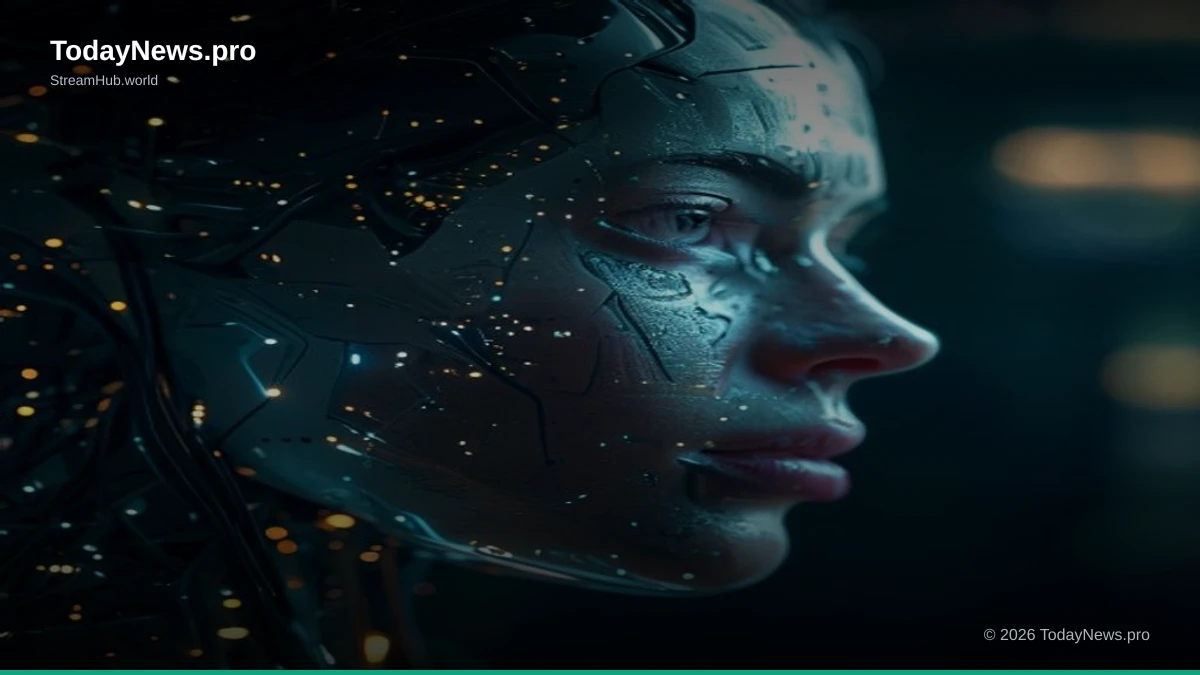
In 2023 alone, the global artificial intelligence market was valued at over $200 billion, a figure projected to balloon to nearly $2 trillion by 2030, with a significant portion of this growth fueled by creative applications.
The Dawn of AI in Creativity: Promise and Peril
Artificial intelligence is no longer confined to the realms of scientific research or industrial automation. Its influence has profoundly permeated the creative arts, ushering in an era of unprecedented possibilities. From generating photorealistic images and composing original music to writing compelling narratives and designing innovative visual experiences, AI tools are empowering artists and creators in ways previously unimaginable. This technological surge promises to democratize creation, lower barriers to entry, and unlock entirely new aesthetic frontiers. However, this rapid advancement is not without its shadow. The very power that makes AI so transformative also presents a complex array of ethical challenges that demand careful consideration.
The proliferation of AI art generators, such as Midjourney, DALL-E, and Stable Diffusion, has placed powerful creative tools directly into the hands of millions. These platforms allow users to conjure elaborate visual spectacles from simple text prompts, blurring the lines between human intention and algorithmic execution. Similarly, AI music composition software can now produce tracks that rival human-made melodies in complexity and emotional resonance. This democratization, while exciting, simultaneously raises fundamental questions about the value of human skill, originality, and the very definition of art.
The Democratization of Creation
One of the most celebrated aspects of AI in the creative arts is its potential to democratize the creative process. Individuals who may lack traditional artistic skills, such as drawing or musical composition, can now express their ideas visually or sonically with remarkable ease. This opens up creative avenues for a broader segment of the population, fostering new forms of expression and artistic exploration. The ability to rapidly prototype ideas and generate multiple variations of a concept can also significantly accelerate the creative workflow for seasoned professionals.
Unlocking New Aesthetic Possibilities
AI algorithms can explore vast stylistic spaces and generate outputs that human artists might not conceive of independently. By analyzing and synthesizing massive datasets of existing art, AI can create novel combinations of styles, techniques, and subject matter. This capacity for algorithmic serendipity can lead to genuinely surprising and innovative artistic outcomes, pushing the boundaries of what is aesthetically possible and inspiring new artistic movements.
Deepfakes: Undermining Truth and Artistic Integrity
Perhaps the most immediate and alarming ethical concern surrounding AI in creative arts is the rise of deepfakes. These hyper-realistic synthetic media, often video or audio, can convincingly depict individuals saying or doing things they never actually did. While the technology has potential applications in filmmaking and entertainment, its misuse poses a severe threat to public trust, personal reputation, and democratic processes. The ability to create fabricated evidence or spread disinformation with such authenticity is a profound challenge to our perception of reality and truth.
The technology behind deepfakes, which often involves Generative Adversarial Networks (GANs), learns to generate new data that mimics the training data. In the context of media, this means an AI can learn the facial features, vocal patterns, and mannerisms of a person and then create new content where that person appears to be speaking or acting. The consequences are far-reaching, impacting everything from celebrity privacy to political discourse.
The Erosion of Trust in Visual and Auditory Media
As deepfake technology becomes more sophisticated and accessible, it becomes increasingly difficult for the average person to distinguish between authentic and fabricated content. This erosion of trust has profound implications. In journalism, it can cast doubt on legitimate reporting. In politics, it can be used to spread malicious propaganda and manipulate public opinion. For individuals, it can lead to severe reputational damage and personal distress.
Deepfakes and Artistic Misappropriation
Beyond the societal implications, deepfakes also present a unique challenge within the artistic community. Artists' likenesses, performances, and even creative styles can be mimicked and manipulated without their consent. This raises questions about artistic appropriation and the exploitation of an artist's identity and intellectual property for purposes they did not endorse. The use of an actor's likeness in a deepfake after their death, for instance, without proper authorization, raises significant ethical and legal questions.
Mitigation Strategies and Detection
Efforts are underway to combat the malicious use of deepfakes. Researchers are developing sophisticated AI-powered detection tools that can identify subtle anomalies indicative of synthetic media. Watermarking and digital provenance technologies are also being explored to provide verifiable proof of authenticity for legitimate content. However, this remains an ongoing arms race, with detection methods constantly needing to evolve to keep pace with generation techniques.
Copyright Conundrums: Who Owns AI-Generated Art?
The advent of AI-generated art has thrown a significant wrench into existing copyright frameworks. Traditionally, copyright law protects original works of authorship fixed in a tangible medium of expression, with the author being a human creator. When an AI generates art based on prompts and datasets curated by humans, or entirely autonomously, the question of authorship and ownership becomes incredibly complex. Is the copyright holder the AI developer, the user who provided the prompt, the AI itself (a concept currently unsupported by law), or is the work in the public domain?
The United States Copyright Office, for example, has stated that works created solely by AI are not eligible for copyright protection because they lack human authorship. However, works where AI is used as a tool by a human artist, and where there is sufficient human creative input, may be eligible. This distinction is crucial and is leading to a flurry of legal challenges and debates.
The Human Element in AI Art Creation
Many legal interpretations hinge on the degree of human creative intervention. If an AI is merely an advanced paintbrush, with a human artist making significant creative decisions about composition, style, and content, then human authorship is clear. However, when an AI can generate a complex piece of art from a simple text prompt, the "authorship" becomes more diffuse. The prompt itself can be considered a creative input, but whether it rises to the level of authorship required for copyright is a contentious point.
Data shows a significant increase in copyright applications involving AI. In 2022, the US Copyright Office received over 900,000 applications. While not all involve AI, the proportion is growing rapidly. Identifying which applications involve AI and how they are being treated is a key area of analysis.
| Jurisdiction | AI Art Copyright Stance (General) | Key Consideration |
|---|---|---|
| United States | Generally requires human authorship for copyright protection. | Degree of human creative input and control. |
| European Union | Debated; focus on author's "own intellectual creation." | Originality and personal intellectual contribution. |
| United Kingdom | Computer-generated works have authors, often the person who made arrangements for creation. | Legal framework for "computer-generated" works. |
| Canada | Human authorship presumed; AI-generated works likely in public domain. | Emphasis on the "author" as a natural person. |
Training Data and Derivative Works
Another thorny issue is the data used to train AI models. These models learn by processing vast quantities of existing images, text, and music, much of which is copyrighted material. If an AI-generated artwork closely resembles or is heavily derived from copyrighted material within its training set, it could potentially infringe on existing copyrights. This raises questions about fair use, transformative use, and the legal liabilities of AI developers and users.
The datasets used to train popular AI art generators are often scraped from the internet without explicit permission from the copyright holders. This practice has led to lawsuits from artists who claim their work has been used without compensation or attribution, forming the basis of AI-generated art. For example, Getty Images has sued Stability AI for allegedly scraping millions of its images without authorization to train its Stable Diffusion model.
The Role of Open Source vs. Proprietary Models
The debate is further complicated by the distinction between open-source AI models and proprietary ones. Open-source models, while fostering innovation and accessibility, may make it harder to track the provenance of training data and enforce copyright. Proprietary models, conversely, might offer more control but also raise concerns about monopolization and access.
Authenticity in the Age of Algorithms
The concept of authenticity in art has historically been tied to the artist's unique vision, emotional expression, and the tangible touch of their hand. AI art challenges this notion by introducing algorithmic processes that can mimic human creativity, style, and even emotional resonance. This raises profound questions: What makes an artwork authentic when it's generated by a machine? Does authenticity lie solely in the human intent behind the creation, the novelty of the output, or something else entirely?
For many, authenticity in art is inseparable from the human experience—the struggles, inspirations, and lived realities that an artist imbues into their work. AI, lacking consciousness and lived experience, cannot replicate this in the same way. However, the *perception* of authenticity can be influenced by the narrative surrounding the creation. If an AI is presented as a collaborative partner to a human artist, the resulting work might be viewed as more authentic than if it were presented as a purely autonomous creation.
The Soul of the Machine
Critics argue that AI-generated art, no matter how technically proficient, lacks the "soul" or intentionality that defines human artistic expression. They contend that art is not merely about aesthetic output but about communication, empathy, and the exploration of the human condition—elements that an algorithm, by definition, cannot possess. This perspective often values the creative struggle, the personal journey of the artist, and the unique perspective that only a sentient being can offer.
Redefining Authenticity: Process vs. Product
Conversely, some argue that authenticity can be redefined to encompass the creative process, even when it involves AI. If an artist uses AI as a tool to explore new ideas, push creative boundaries, or achieve specific aesthetic goals, the resulting work can be considered authentic to their artistic vision and intent. The authenticity, in this view, shifts from the physical act of creation to the conceptualization, curation, and direction provided by the human user. The output is a product of their unique artistic choices and iterative refinement, facilitated by AI.
The Role of Transparency
Transparency about the use of AI in creative works is crucial for maintaining trust and allowing audiences to form their own judgments about authenticity. When an artwork is presented without disclosure of AI involvement, it can be misleading. Clear labeling or metadata can help audiences understand the generative process and appreciate the work within its appropriate context. This allows for informed engagement and avoids the perception of deception.
Navigating the Ethical Landscape: Best Practices and Guidelines
As AI continues to integrate into the creative arts, establishing robust ethical guidelines and best practices is paramount. These principles should aim to foster responsible innovation while safeguarding the rights and integrity of artists and the public. The development of these guidelines requires a multi-stakeholder approach, involving artists, technologists, legal experts, policymakers, and the broader community.
The goal is to create a framework that encourages the beneficial use of AI in art while mitigating its potential harms. This includes addressing issues of copyright, deepfakes, artist compensation, and the responsible development and deployment of AI technologies. Proactive dialogue and collaboration are key to shaping a future where AI and human creativity can coexist harmoniously.
Responsible AI Development and Deployment
AI developers have a responsibility to build systems that are transparent, fair, and secure. This includes clearly communicating the capabilities and limitations of their AI models, implementing safeguards against misuse (such as for generating harmful deepfakes), and being transparent about the data used for training. Ethical considerations should be embedded in the design and development process from the outset.
Artist Compensation and Attribution
A significant concern for artists is how to ensure fair compensation and proper attribution when their work is used to train AI models or when AI generates art that competes with human creations. Models for licensing data for AI training, micropayments for artists whose styles are emulated, and clear attribution mechanisms for AI-assisted works are areas that require urgent development and implementation. Initiatives are emerging to create registries of artists' works for AI training and to develop fair compensation models.
Ethical Use Policies for Creators
Creators utilizing AI tools should adopt ethical policies. This includes being transparent with audiences about the role of AI in their work, respecting intellectual property rights, and avoiding the creation or dissemination of harmful deepfakes or misinformation. The principle of "do no harm" should extend to the digital realm, with creators acting as responsible stewards of these powerful technologies.
Industry Self-Regulation and Standards
The creative industries, alongside AI developers, can play a significant role in self-regulation. Establishing industry-wide standards for AI use, developing ethical certification programs, and fostering collaborative platforms for sharing best practices can help build a more responsible ecosystem. This proactive approach can preempt more stringent, potentially stifling, external regulations.
The Future of Art: Collaboration or Replacement?
The pervasive question facing the creative arts is whether AI will ultimately serve as a tool for human artists, augmenting their capabilities and fostering new forms of collaboration, or if it will lead to the displacement of human creatives. The trajectory is not yet definitively set, and the outcome will likely be a complex interplay of technological advancement, societal adoption, and ethical choices.
Historically, technological advancements have often led to shifts in labor rather than outright replacement. The advent of photography, for instance, did not eliminate painting but rather pushed it towards abstraction and new forms of expression. Similarly, AI may push human artists to explore concepts and techniques that are uniquely human, focusing on areas where AI currently falls short, such as genuine emotional depth, subjective experience, and nuanced cultural commentary.
AI as a Creative Collaborator
Many envision AI as a powerful collaborator, a sophisticated tool that can help artists overcome creative blocks, rapidly iterate on ideas, and explore styles and forms that would be impossible to achieve manually. In this collaborative model, the human artist remains the visionary, guiding the AI's output and imbuing it with their intent and aesthetic sensibilities. This partnership can lead to hybrid art forms that blend human creativity with algorithmic efficiency.
The Specter of Automation and Job Displacement
However, the potential for automation cannot be ignored. As AI becomes more sophisticated, it may be capable of performing tasks that were once the exclusive domain of human artists, designers, writers, and musicians. This could lead to job displacement in certain sectors, particularly for those whose work is more routine or can be easily replicated by algorithms. The economic implications for creative professionals are significant and warrant proactive planning and support.
According to a report by the World Economic Forum, while AI is expected to automate millions of jobs, it is also projected to create new ones. The key will be the adaptation and upskilling of the workforce to meet the demands of an AI-integrated economy. For artists, this might mean developing new skills in AI prompting, curation, and ethical AI integration.
The Evolving Definition of Artist
Ultimately, the rise of AI may necessitate a redefinition of what it means to be an "artist." The focus might shift from technical skill in traditional mediums to conceptualization, curation, prompt engineering, and the ability to leverage AI tools effectively. This evolution could open doors for individuals with strong creative visions but perhaps less traditional technical proficiency, further democratizing the art world.
Legal and Regulatory Frontiers
The legal and regulatory landscape surrounding AI in creative arts is still in its nascent stages, characterized by uncertainty and ongoing debate. Existing laws, designed for a pre-AI era, are often ill-equipped to address the novel challenges posed by synthetic media, AI-generated content, and copyright ambiguities. This necessitates a proactive and adaptive approach from lawmakers and legal scholars worldwide.
Governments and international bodies are beginning to grapple with these issues. Discussions around AI regulation are occurring in various forums, from national legislatures to global organizations like the United Nations and the European Union. The aim is to create a legal framework that fosters innovation while protecting individuals and society from potential harms.
Copyright Law Reforms
Copyright law is a primary battleground. Legal scholars and policymakers are debating whether current copyright statutes can be adapted or if entirely new legislation is needed to address AI-generated works. Key questions include how to establish authorship, determine ownership, and manage derivative works when AI is involved. The concept of copyright for "computer-generated works" is being explored, potentially assigning authorship to the person who made the arrangements for the creation of the work, as seen in some jurisdictions.
Regulation of Deepfakes and Synthetic Media
The proliferation of deepfakes has spurred calls for regulation. While outright bans can be challenging to enforce and may stifle legitimate uses, measures such as mandatory disclosure for synthetic media, criminalizing the creation and dissemination of non-consensual deepfakes (particularly those of a sexual or defamatory nature), and empowering victims with legal recourse are being considered. Platforms that host user-generated content also face increasing pressure to implement robust content moderation policies.
Examples of legislative action are emerging. In California, for instance, laws have been passed to prohibit the use of deepfakes to influence elections and to require disclosure for political deepfake advertisements. These are early steps in a long and complex legislative journey.
International Harmonization and Challenges
Given the borderless nature of the internet and AI technologies, international cooperation and harmonization of legal frameworks are crucial. Differing legal interpretations and regulatory approaches across countries can create loopholes and hinder global efforts to address ethical AI challenges. International dialogues aim to establish common principles and best practices, but achieving consensus remains a significant challenge.
A report by the Reuters highlighted the European Union's landmark AI Act, which aims to establish a comprehensive regulatory framework for AI. This legislation categorizes AI systems by risk level, with high-risk applications facing stricter requirements. Such comprehensive regulatory efforts are likely to be emulated or adapted by other nations.
The Role of Ethical Frameworks and Soft Law
Beyond formal legislation, ethical frameworks, industry codes of conduct, and "soft law" initiatives are playing a vital role. These voluntary guidelines and principles, developed by industry bodies, academic institutions, and civil society organizations, can influence behavior and shape norms in the absence of comprehensive legal mandates. They offer a more agile approach to addressing rapidly evolving technological challenges.