

 Tom 'Retro' Baker
⏱ 15 min
The global esports market is projected to reach $2.46 billion in 2024, a significant leap from its humble beginnings, underscoring its explosive growth and mainstream appeal.
The Unlikely Genesis: From Basements to Big Stages
The story of esports is not one of overnight success, but a slow burn fueled by passion, technological advancement, and a fundamental shift in how entertainment is consumed. In its nascent stages, competitive video gaming existed as a fringe activity, primarily confined to arcades and dimly lit basements. Players gathered in person or through nascent online communities to test their skills against one another in titles that, by today's standards, seem incredibly rudimentary. Early pioneers organized small-scale tournaments, often with meager prize pools, driven by a pure love for the competition and the burgeoning sense of community. These early events, while lacking the polish of modern spectacles, laid the groundwork for what would become a multi-billion dollar industry. The competitive spirit, however, was always present, a fundamental human drive to excel and be recognized.The Arcade Era and Early LAN Parties
Before the widespread adoption of home internet, arcades served as vital hubs for competitive gaming. Games like "Space Invaders," "Pac-Man," and later "Street Fighter II" and "Mortal Kombat," fostered a culture of high-score chasing and one-on-one duels. The emergence of Local Area Network (LAN) parties in the late 1980s and early 1990s marked a significant evolution. Enthusiasts would lug their bulky CRT monitors and desktop computers to a central location, connecting them to play multiplayer games like "Doom" and "Quake" for hours on end. These gatherings were less about professional competition and more about shared passion, camaraderie, and bragging rights. They fostered a deep sense of belonging among players, a critical element that would continue to define the esports landscape.The Dawn of Online Multiplayer
The advent of dial-up internet, and subsequently broadband, revolutionized competitive gaming. Suddenly, players were no longer geographically constrained. Games like "StarCraft," "Warcraft III," and "Counter-Strike" became immensely popular for their deep strategic gameplay and robust online multiplayer modes. The ability to compete against players from across the globe added a new layer of complexity and excitement. Online ladders and rudimentary matchmaking systems began to emerge, allowing for more structured competition. This period saw the rise of early online clans and teams, who would often coordinate practice sessions and participate in online tournaments, further solidifying the competitive aspect.The Technological Tipping Point: Hardware, Internet, and Accessibility
The exponential growth of esports is inextricably linked to advancements in technology. The evolution from clunky PCs and slow internet connections to high-performance gaming rigs and fiber optics has been a critical enabler. Affordable, powerful hardware has made gaming accessible to a broader demographic, while robust internet infrastructure allows for seamless online play and high-quality streaming.The Rise of the Gaming PC and Peripherals
The personal computer has always been at the heart of PC esports. Over the decades, graphics cards have become exponentially more powerful, processors faster, and RAM more abundant. This has allowed game developers to create increasingly sophisticated and visually stunning games that demand high performance. Alongside PC hardware, specialized peripherals like high-refresh-rate monitors, responsive keyboards, and precise gaming mice have become essential tools for competitive players. These advancements not only enhance gameplay but also reduce latency, a crucial factor in fast-paced esports titles.Broadband Internet and Streaming Infrastructure
The widespread availability of high-speed internet has been a game-changer. Low latency and stable connections are paramount for online multiplayer gaming, enabling fair and enjoyable competition. Furthermore, the development of streaming platforms like Twitch and YouTube Gaming has been instrumental in broadcasting esports events to a global audience. These platforms have democratized viewership, allowing anyone with an internet connection to watch their favorite players and teams compete, fostering a massive and engaged fan base. The ability to stream has also been crucial for aspiring players to gain exposure and for teams to build their brands.90%
Internet Penetration in Developed Nations
500+
Million Active Esports Viewers Globally
200+
Esports Titles with Professional Scenes
From Hobbyists to High Earners: The Professionalization of Esports
What began as a passionate hobby has transformed into a legitimate career path for a select few. The professionalization of esports has involved the establishment of structured leagues, player contracts, coaching staff, and dedicated training facilities. This shift has elevated the status of esports athletes, allowing them to earn substantial incomes through prize money, salaries, sponsorships, and streaming revenue.The Emergence of Professional Leagues and Teams
Major esports titles like "League of Legends," "Dota 2," "Counter-Strike: Global Offensive," and "Valorant" now boast well-established professional leagues with franchised teams. These leagues operate on a seasonal basis, mirroring traditional sports, with regular season matches, playoffs, and grand finals. Teams are often backed by significant investment, with owners ranging from former athletes to venture capitalists. This professional structure provides stability and a clear pathway for aspiring players to reach the highest echelons of competition.Player Salaries, Sponsorships, and Prize Pools
Professional esports players can earn significant incomes. Top players in popular titles can command salaries in the hundreds of thousands of dollars annually, supplemented by lucrative sponsorship deals with gaming hardware companies, energy drink brands, and even mainstream corporations. Furthermore, major tournaments offer colossal prize pools, with the winners of "Dota 2's" The International often taking home millions of dollars. This financial incentive, combined with the allure of global recognition, has attracted immense talent to the esports arena.| Esports Title | Estimated Annual Earnings (Top 1%) | Average Salary (Pro Player) | Largest Prize Pool (Single Event) |
|---|---|---|---|
| Dota 2 | $5,000,000+ | $150,000 - $300,000 | $40,018,195 (The International 2021) |
| League of Legends | $2,000,000+ | $100,000 - $250,000 | $2,250,000 (World Championship 2023) |
| Counter-Strike 2 | $1,500,000+ | $80,000 - $200,000 | $1,000,000 (Majors) |
| Valorant | $1,200,000+ | $70,000 - $180,000 | $2,000,000 (Champions Tour 2023) |
The Role of Coaches, Analysts, and Support Staff
The professionalization of esports extends beyond the players. Teams now employ dedicated coaches who develop strategies, analyze opponents, and manage player performance. Analysts provide in-depth data and insights, while sports psychologists help players manage stress and maintain peak mental condition. This comprehensive support system mirrors that found in traditional sports, highlighting the growing maturity of the esports industry."The level of dedication and strategic depth in professional esports today is astonishing. It's no longer just about reflexes; it's about intricate team coordination, mental fortitude, and a profound understanding of game mechanics. We're seeing athletes who train as rigorously as any traditional sports star."
— Dr. Evelyn Reed, Sports Psychologist Specializing in Competitive Gaming
The Esports Ecosystem: More Than Just Games
Esports is not merely about playing video games; it is a multifaceted ecosystem encompassing a wide array of industries and stakeholders. This intricate web includes game developers, tournament organizers, media rights holders, sponsors, merchandise manufacturers, and a passionate fan base.Game Developers as Architects of Esports
The very existence of esports hinges on the games themselves. Developers like Riot Games ("League of Legends," "Valorant"), Valve ("Dota 2," "Counter-Strike 2"), and Blizzard Entertainment ("Overwatch") invest heavily in creating competitive titles with balanced gameplay, spectator appeal, and robust anti-cheat systems. They actively engage with their esports communities, often implementing player feedback and providing developer support for professional circuits. Their decisions directly shape the competitive landscape and the longevity of esports titles.Tournament Organizers and Event Production
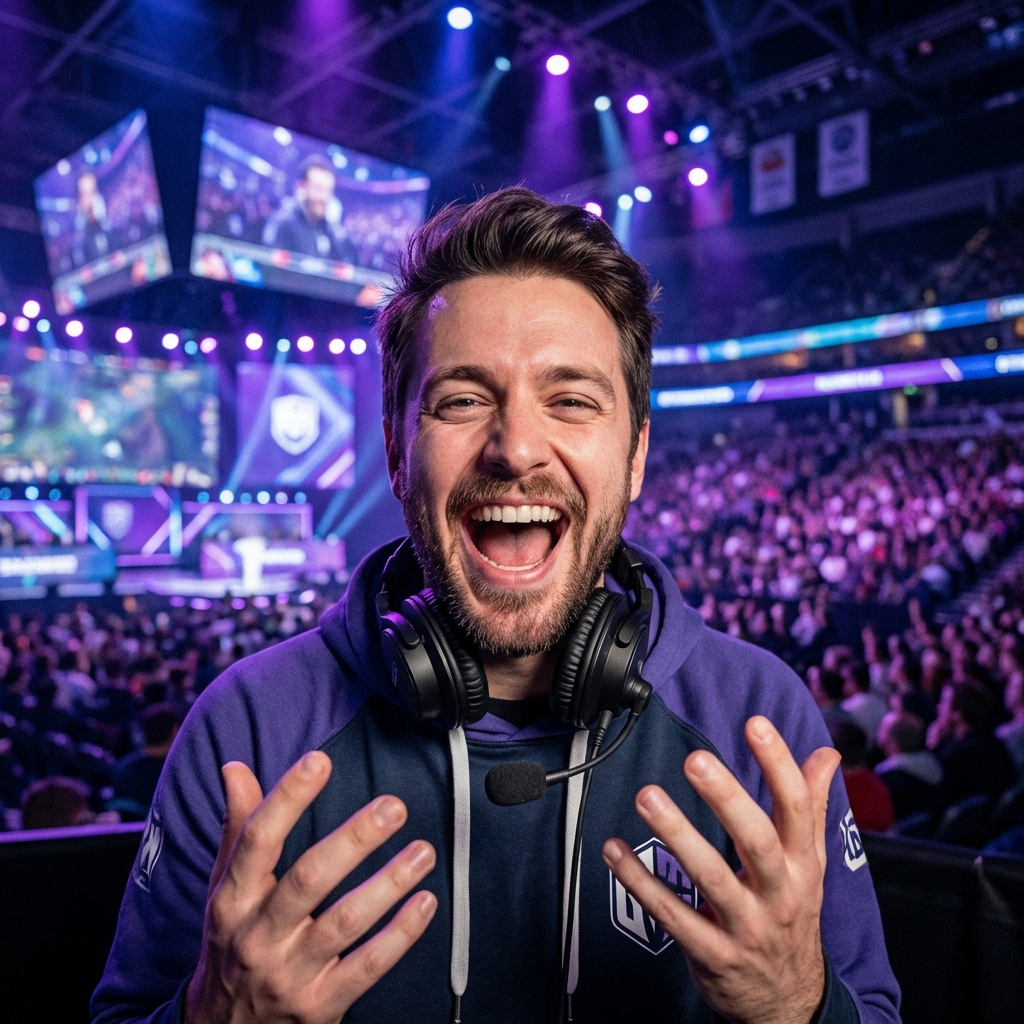
Entities such as ESL, BLAST, and Riot Games' in-house event management are responsible for orchestrating the massive tournaments that draw millions of viewers. These organizations handle everything from venue selection and logistics to broadcast production and prize pool distribution. The scale and complexity of these events rival those of major traditional sporting championships, requiring sophisticated planning, cutting-edge technology, and a deep understanding of audience engagement. The spectacle of an esports grand final, with its roaring crowds, dazzling light shows, and skilled commentary, is a testament to their expertise.Esports Audience Growth (Millions)
The Power of the Fan Base
The vibrant and passionate fan base is the lifeblood of esports. Millions of individuals tune in to watch professional matches, follow their favorite teams and players on social media, and purchase merchandise. This engagement translates into significant viewership numbers, which in turn attract sponsors and advertisers. The interactive nature of streaming platforms allows for a direct connection between fans and creators, fostering a unique sense of community and loyalty. Reddit communities dedicated to specific esports titles boast millions of active users, constantly discussing strategies, player performances, and team news.External Links
Reuters: Esports Industry Hits New Milestone with Record Viewer Numbers Wikipedia: EsportsBreaking Down Barriers: Esports as a Global Cultural Force
Esports has transcended geographical and demographic boundaries, becoming a truly global cultural phenomenon. It offers a unique blend of competition, entertainment, and community that resonates with a diverse audience, particularly younger generations. Its inclusivity and accessibility have made it a powerful force for cultural exchange and social connection.Democratization of Entertainment
Unlike many traditional sports that require physical prowess and access to specific facilities, esports is primarily an intellectual and strategic pursuit. This accessibility has opened doors for individuals from all walks of life to participate and excel. Furthermore, the cost of entry into gaming has decreased significantly, and free-to-play models for many popular titles have removed financial barriers to entry for many aspiring players. This democratization of opportunity has been a key driver of its widespread appeal.Cultural Exchange and Global Communities
Esports fosters a sense of global community. Players and fans from different countries and cultures connect through shared passion for games and competition. International tournaments bring together diverse participants and audiences, promoting understanding and cultural exchange. Online communities transcend national borders, creating virtual spaces where friendships are forged and rivalries are born, all united by a common interest in esports. This global connectivity is a hallmark of the modern digital age.Representation and Diversity in Esports
While still an evolving area, esports is making strides in terms of representation and diversity. Initiatives are underway to increase the participation of women, LGBTQ+ individuals, and people of color in competitive gaming and the broader esports industry. The establishment of dedicated leagues and organizations for underrepresented groups, along with increased awareness and advocacy, are contributing to a more inclusive and welcoming environment. The increasing visibility of diverse players and personalities is helping to challenge stereotypes and broaden the appeal of esports.Esports in Education and Skill Development
The skills honed through esports—strategic thinking, problem-solving, teamwork, communication, and quick decision-making—are increasingly recognized as valuable. Educational institutions are beginning to incorporate esports into their programs, offering scholarships and even esports-focused courses. This recognition highlights the transferability of skills learned in the digital arena to real-world applications, bridging the gap between gaming and traditional academic and professional pursuits. Some universities now offer degrees in esports management and production.The Future is Now: Innovations and Challenges Ahead
The esports landscape is constantly evolving, with new innovations on the horizon and persistent challenges that the industry must navigate. From emerging technologies to the ongoing need for integrity and sustainability, the future of esports promises both excitement and complexity.The Impact of Emerging Technologies
Technologies like virtual reality (VR) and augmented reality (AR) hold immense potential for the future of esports. Immersive VR gaming could offer entirely new competitive experiences, while AR could blend the digital and physical worlds in innovative ways. Furthermore, advancements in artificial intelligence (AI) could revolutionize game balancing, training tools, and even create new forms of AI-powered opponents for practice. Blockchain technology is also being explored for its potential in areas like digital asset ownership and transparent tournament operations.Addressing Integrity and Fair Play
As esports grows, maintaining integrity and fair play remains paramount. Issues such as cheating, match-fixing, and doping (performance-enhancing drugs) pose threats to the credibility of the industry. Robust anti-cheat systems, rigorous player vetting, and strict regulations are crucial. Organizations are investing in integrity units and working with law enforcement to combat these challenges, ensuring a level playing field for all competitors. The establishment of esports integrity commissions is a significant step in this direction.Sustainability and Longevity of Titles
The lifespan of esports titles is a critical factor for the long-term health of the industry. While some games have enjoyed sustained popularity for over a decade, others can fade quickly. Developers must continually innovate, update their games, and foster vibrant competitive ecosystems to maintain player and viewer engagement. A healthy esports scene requires a constant influx of new talent and compelling narratives to keep audiences invested."The biggest challenge for esports moving forward is ensuring its sustainability. We need to move beyond the hype and build robust business models that support players, teams, and developers for the long haul. This includes diversifying revenue streams beyond just sponsorship and investing in grassroots development."
— Alex "The Analyst" Chen, Esports Consultant and Former Pro Player
The Path to Mainstream Recognition
While esports has achieved significant mainstream recognition, the journey is not complete. Continued efforts are needed to educate the public, challenge misconceptions, and foster broader acceptance. The inclusion of esports in major sporting events, such as the Asian Games, signals a growing acceptance. However, the industry must also continue to mature in areas like player welfare, governance, and professional standards to achieve parity with traditional sports.The Economics of Pixels: Sponsorship, Media Rights, and Investment
The financial engine driving esports is becoming increasingly sophisticated, mirroring many aspects of traditional sports. Sponsorships from global brands, the burgeoning market for media rights, and substantial investment from diverse sectors are transforming esports into a lucrative industry.Corporate Sponsorships: From Gaming Brands to Fortune 500
Initially, esports sponsorships were dominated by gaming hardware companies and energy drink brands. Today, a wide array of non-endemic brands, including automotive manufacturers, financial institutions, apparel companies, and even fast-food chains, are investing in esports. They recognize the immense reach and engagement of the esports audience, particularly among the coveted Gen Z and Millennial demographics. These partnerships involve team sponsorships, tournament sponsorships, player endorsements, and in-game advertising.The Growing Market for Media Rights
As viewership numbers continue to climb, the value of media rights for esports leagues and tournaments is escalating. Broadcasters and streaming platforms are competing to secure exclusive rights to major esports events, leading to lucrative deals. This trend signifies a shift from a purely community-driven broadcast model to a more structured and commercially driven media landscape, similar to that of professional sports leagues. The ability to monetize broadcast content is crucial for the financial stability of the esports ecosystem.Venture Capital and Private Equity Investment
The explosive growth and commercial potential of esports have attracted significant investment from venture capital firms and private equity groups. These investors are injecting capital into teams, leagues, technology providers, and media companies within the esports ecosystem. This influx of funding fuels expansion, innovation, and the professionalization of the industry, accelerating its development and solidifying its position as a major entertainment sector. The valuation of esports organizations has seen remarkable increases.Merchandising and Fan Engagement Revenue
Beyond direct competition, esports generates substantial revenue through merchandise sales and fan engagement initiatives. Team jerseys, branded apparel, in-game cosmetic items, and collectibles are highly sought after by fans. Furthermore, subscription models for exclusive content, fan clubs, and virtual events contribute to the revenue streams of teams and leagues, fostering a direct financial connection with their dedicated fan bases.$2.46
Billion Projected Market Size (2024)
10-15%
Annual Market Growth Rate
60%
Revenue from Sponsorships and Media Rights
Is esports a legitimate sport?
The definition of "sport" is debated, but esports exhibits many characteristics of traditional sports, including high-level competition, strategic thinking, teamwork, rigorous training, professional athletes, and large fan bases. Many now consider it a legitimate form of competition and entertainment.
How much do professional esports players earn?
Earnings vary greatly depending on the game, popularity, and success of the player. Top-tier players in major titles can earn hundreds of thousands, or even millions, of dollars annually through salaries, prize money, and sponsorships.
What are the most popular esports titles?
Currently, the most popular esports titles globally include "League of Legends," "Dota 2," "Counter-Strike 2," "Valorant," "PUBG Mobile," and "Honor of Kings." The popularity of titles can fluctuate.
Can I become a professional esports player?
Becoming a professional esports player requires immense dedication, skill, strategic thinking, and countless hours of practice. While challenging, it is achievable through consistent effort, joining amateur teams, and striving for recognition in the competitive scene.