

 Peter Warren
⏱ 40 min
The global esports market is projected to reach $2.49 billion by 2024, a staggering increase from just over $1 billion in 2020, according to Newzoo. This rapid expansion signals esports' undeniable transition from a niche hobby to a legitimate mainstream entertainment industry, rivaling traditional sports in viewership, revenue, and cultural impact.
Esports Goes Mainstream: The Business, Culture, and Future of Professional Gaming
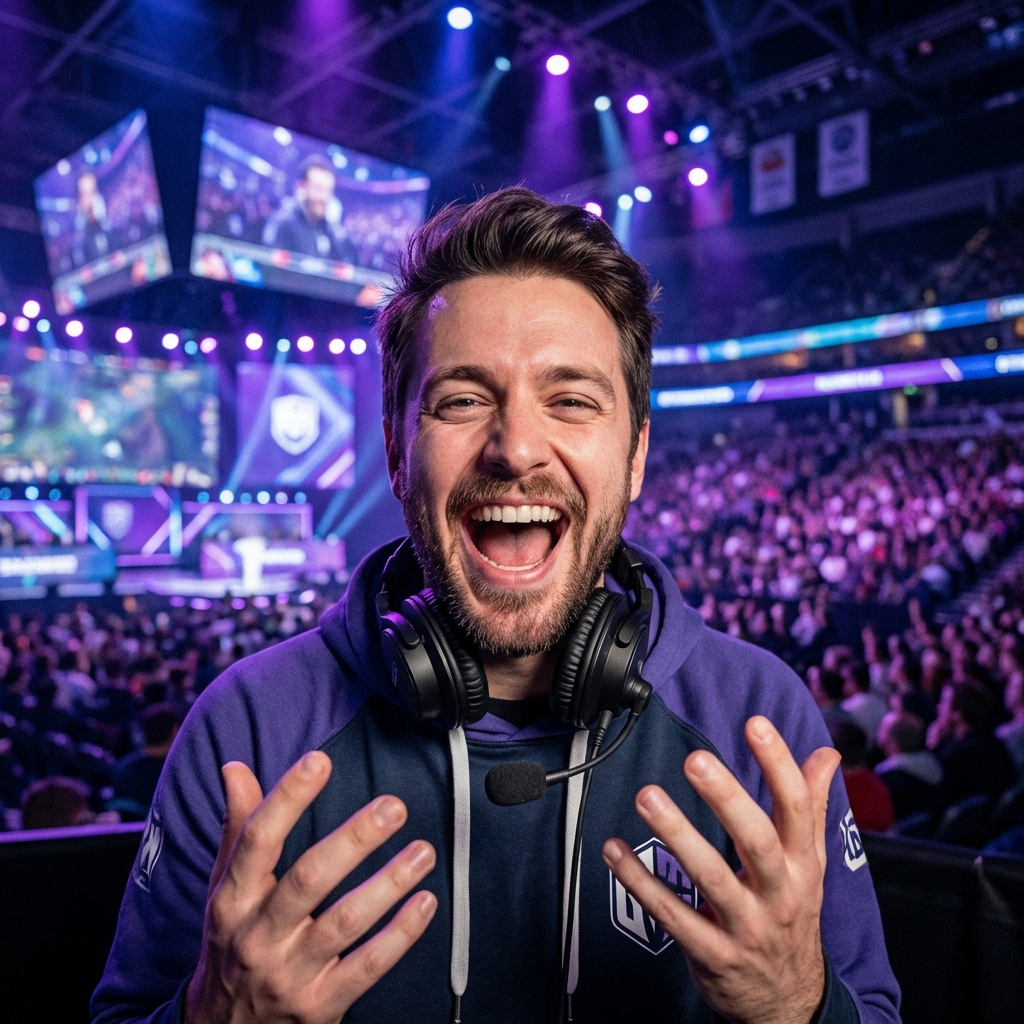
The journey of esports from dimly lit arcades and LAN parties to sold-out arenas and multi-million dollar prize pools is a testament to technological advancement, evolving media consumption, and a profound shift in what constitutes entertainment. What was once dismissed as a pastime for teenagers has blossomed into a sophisticated ecosystem, attracting significant investment, global viewership, and a dedicated, passionate fanbase. This article delves into the multifaceted world of professional gaming, exploring its burgeoning business models, its unique and evolving culture, the lives of its elite competitors, and its promising, albeit challenging, future.The Explosive Growth: From Niche Hobby to Global Phenomenon
The seeds of esports were sown decades ago with competitive arcade games like "Space Invaders" and "Pac-Man." However, the true genesis of modern esports can be traced to the late 1990s and early 2000s with the advent of online multiplayer gaming. Titles like "Quake," "StarCraft," and later "Counter-Strike" fostered communities of players who not only competed for bragging rights but also began organizing informal tournaments. The rise of broadband internet was a critical enabler, allowing for smoother online play and the growth of competitive leagues. The advent of streaming platforms like Twitch, launched in 2011, proved to be a watershed moment. Suddenly, anyone with an internet connection could watch professional gamers compete, analyze strategies, and engage with their favorite players and teams in real-time. This accessibility democratized spectating and fostered a sense of community that transcended geographical boundaries. Major tournaments, once small-scale events, began attracting hundreds of thousands, and eventually millions, of online viewers.390M+
Estimated global esports audience in 2023
30%
Year-over-year audience growth for top titles
$1.5B+
Projected esports revenue in 2023
The Business of Esports: A Multi-Billion Dollar Industry
The economic engine of esports is surprisingly robust and continues to diversify. While prize pools capture public attention, the true financial might lies in a complex web of revenue streams. Sponsorships are arguably the largest contributor, with non-endemic brands—those outside the gaming and tech sectors—increasingly recognizing esports' appeal to a young, engaged demographic. From automotive manufacturers and beverage companies to fashion labels and financial institutions, a wide array of businesses are investing heavily in team sponsorships, tournament branding, and player endorsements.Esports Revenue Streams (2023 Estimate)
| Year | Global Esports Revenue (USD Billions) | Audience (Millions) |
|---|---|---|
| 2020 | 1.08 | 350 |
| 2021 | 1.21 | 370 |
| 2022 | 1.38 | 380 |
| 2023 (Est.) | 1.50 | 390 |
| 2024 (Proj.) | 2.49 | 410 |
The Culture of Esports: Community, Competition, and Crossover Appeal
Esports culture is a vibrant tapestry woven from threads of intense competition, passionate communities, and a unique digital-native ethos. At its heart is a shared language and understanding of in-game mechanics, strategies, and the personalities that define the competitive scene. The anonymity of the internet, combined with the collaborative nature of many games, has fostered a strong sense of belonging and identity among fans. ### The Role of Streaming Platforms Platforms like Twitch and YouTube Gaming are not just broadcasting channels; they are the digital town squares where esports culture thrives. They facilitate direct interaction between players and fans through live chat, donations, and subscriptions, creating a more intimate viewing experience than traditional sports often allow. Streamers often become personalities in their own right, building personal brands that extend beyond their competitive prowess. This direct engagement fosters loyalty. Fans don't just cheer for a team; they feel connected to the players, their journeys, and even their struggles. This personal connection is a powerful driver of engagement and a key differentiator from more passive forms of entertainment. ### Crossover Appeal and Mainstream Integration Initially, esports was perceived as separate from mainstream culture. However, this boundary has blurred significantly. Celebrities are investing in esports teams, athletes from traditional sports are engaging with gaming, and major music artists perform at esports events. The aesthetic and narrative elements of gaming are also influencing fashion, film, and television. The increasing cultural relevance means that esports is no longer just for gamers. It appeals to a broader audience interested in high-level competition, strategic depth, and compelling narratives of underdog triumphs and rivalries. The accessibility of streaming also means that watching esports is as simple as clicking a link, lowering the barrier to entry for newcomers. ### Community and Fandom The sense of community within esports is profound. Online forums, social media groups, and dedicated fan pages buzz with discussion, analysis, and shared passion. Events, both online and offline, are gathering points for fans to connect with like others who share their enthusiasm. This communal aspect is a powerful force that keeps fans engaged and invested in the long term. The culture is highly interactive, with fans often participating in polls, fan art contests, and other community-driven initiatives.The Players: Dedication, Training, and the Psychology of Performance
The image of the professional gamer as someone who merely plays games all day is a relic of the past. Today's esports athletes are highly disciplined professionals who dedicate countless hours to honing their skills, maintaining peak physical and mental condition, and mastering the intricate strategies of their chosen games. ### The Grind: Practice and Strategy Professional gamers often practice for 8-12 hours a day, if not more. This practice goes beyond simply playing the game; it involves rigorous VOD (Video on Demand) review, analyzing opponent strategies, developing new tactics, and perfecting mechanical execution. Team practice sessions are crucial for building synergy and communication, essential for success in team-based games.
"The dedication required for professional esports is akin to that of any elite athlete. It's not just about reflexes; it's about strategic thinking, team coordination, and the mental fortitude to perform under immense pressure."
### Physical and Mental Well-being
The intense demands of professional gaming can take a toll. Many esports organizations now employ sports psychologists, nutritionists, and physical therapists to ensure their players are in optimal health. Maintaining good physical condition—through exercise and proper diet—is crucial for stamina, focus, and preventing injuries like carpal tunnel syndrome. Mental resilience is paramount, as players must cope with performance slumps, public scrutiny, and the pressure of high-stakes tournaments.
### The Psychology of Elite Performance
Esports performance is heavily influenced by psychology. Players must manage stress, maintain concentration for extended periods, and make split-second decisions under pressure. The ability to adapt to changing game states, communicate effectively with teammates, and recover from mistakes are critical skills. Understanding and managing cognitive load, spatial awareness, and reaction times are areas of intense focus for both players and their support staff. For a broader understanding of competitive psychology, one can refer to resources like Wikipedia's entry on the psychology of sports.
### Career Longevity and Transition
The career span of an esports player can be relatively short compared to traditional sports, often peaking in the early to mid-twenties. This makes career planning and post-playing opportunities important. Many former players transition into coaching, casting, streaming, team management, or other roles within the industry, leveraging their experience and knowledge.
— Sarah Chen, Sports Psychologist specializing in Esports
The Technology Behind the Spectacle
The evolution of esports is inextricably linked to technological advancements. The very games that form the foundation of esports are complex pieces of software, constantly being updated and refined. Beyond the games themselves, a sophisticated technological infrastructure supports the entire ecosystem. ### Game Development and Optimization Game developers are increasingly designing titles with competitive play in mind, investing in features that enhance spectating, such as observer modes, replay systems, and performance telemetry. The balance of game mechanics, the introduction of new content, and the ongoing patching process are all critical to maintaining a healthy competitive environment. Publishers actively work to ensure their games are fair, engaging, and technically sound for professional play. ### Streaming and Broadcast Technology High-definition streaming, low latency connections, and advanced production tools are essential for delivering a compelling viewing experience. Companies are innovating in areas such as real-time data visualization, immersive camera angles, and interactive overlays that provide viewers with in-depth game statistics and player information. The ability to seamlessly broadcast to millions worldwide is a technological marvel. ### Hardware and Infrastructure Cutting-edge gaming hardware—high-refresh-rate monitors, responsive keyboards and mice, and powerful PCs—plays a vital role in enabling players to perform at their best. Similarly, robust internet infrastructure is paramount for smooth online competition and low-latency streaming. The development of dedicated esports arenas, equipped with advanced lighting, sound systems, and high-speed internet, further enhances the live event experience. The integration of AI and machine learning is also beginning to impact esports, from analyzing player performance to developing more sophisticated training tools and even detecting cheating. This ongoing technological innovation is what keeps esports dynamic and constantly pushing the boundaries of what's possible in competitive digital entertainment.Challenges and Controversies: Navigating the Path Forward
Despite its meteoric rise, esports faces a number of significant challenges and controversies that could shape its future trajectory. Addressing these issues is crucial for its continued growth and mainstream acceptance. ### Player Welfare and Rights Concerns regarding player burnout, mental health, and fair contracts remain prominent. The high-pressure environment and often short career spans necessitate stronger player support systems and clearer regulations around working conditions, compensation, and transfer protocols. Establishing player unions or associations is a topic of ongoing discussion. ### Integrity and Anti-Cheating Measures The specter of cheating, hacking, and match-fixing looms over any competitive endeavor. Esports organizations and game developers are investing heavily in anti-cheat software and integrity measures. However, the constant evolution of technology means this remains an ongoing battle. Maintaining fair play is fundamental to the credibility of the sport. ### Monetization and Sustainability While the industry is growing, the long-term financial sustainability of many esports organizations remains a question. The reliance on sponsorships can be precarious, and the path to consistent profitability can be challenging. Diversifying revenue streams and developing robust business models are key priorities. ### Diversity and Inclusion Like many industries, esports has grappled with issues of diversity and inclusion. Ensuring a welcoming environment for players and fans from all backgrounds, and addressing issues of toxicity and harassment in online communities, are critical for building a sustainable and broadly appealing ecosystem. ### The Role of Publishers The significant influence of game publishers over their respective esports titles can be both a boon and a challenge. While publishers drive innovation and investment, their control over game development and competitive rules can sometimes lead to conflicts of interest or limit the autonomy of third-party organizers and players.
"The potential for esports is immense, but realizing it depends on how we address these growing pains. A focus on player well-being, competitive integrity, and inclusive growth will be paramount for esports to achieve its full mainstream potential."
— Alex ‘Spectre’ Kim, Veteran Esports Analyst
The Future of Esports: Beyond the Screen
The future of esports appears exceptionally bright, with innovation and expansion on multiple fronts. We are likely to see continued growth in audience numbers and revenue, driven by new game titles, evolving broadcast formats, and deeper integration with mainstream entertainment. ### Expansion into New Markets and Genres Esports is not limited to PC gaming. Mobile esports are experiencing explosive growth, particularly in Asia, offering a massive new audience and market. Furthermore, new game genres and even virtual reality (VR) and augmented reality (AR) experiences could unlock entirely new competitive frontiers. ### Deeper Integration with Traditional Sports The lines between esports and traditional sports will continue to blur. We may see more formal partnerships, shared training facilities, and even crossover athletes. Governing bodies are increasingly exploring how to integrate esports into established sporting frameworks, potentially including the Olympics. ### Evolving Fan Engagement and Experiences Expect more immersive and interactive fan experiences, both online and offline. This could include personalized viewing dashboards, gamified spectating elements, and more sophisticated fan communities. The development of dedicated esports venues will continue to grow, offering world-class entertainment hubs. ### The Rise of Educational Programs As esports becomes more professionalized, educational institutions are responding. Colleges and universities are offering esports scholarships, degrees in esports management, and training programs, signaling a growing recognition of the industry's legitimacy and career opportunities. For more on this aspect, explore Wikipedia's overview of esports management. The journey of esports from a niche hobby to a global mainstream phenomenon is far from over. It is a dynamic, rapidly evolving industry that is redefining entertainment, competition, and community for a new generation. The business acumen, cultural resonance, and technological innovation that define esports today suggest a future where digital competition is as ingrained in our society as any traditional sport.What is esports?
Esports, or electronic sports, refers to organized, competitive video gaming. It typically involves professional gamers competing in video games, either individually or as teams, in leagues and tournaments for prizes, viewership, and recognition.
How big is the esports industry?
The esports industry is a multi-billion dollar market. Projections indicate it will continue its rapid growth, with revenue expected to reach billions of dollars annually, driven by sponsorships, media rights, and merchandise sales.
What are the most popular esports titles?
Popular esports titles vary by genre and region but commonly include games like League of Legends, Dota 2, Counter-Strike 2, Valorant, Mobile Legends: Bang Bang, and Fortnite.
Are esports athletes real athletes?
While esports athletes do not engage in physical exertion in the same way as traditional athletes, they require exceptional hand-eye coordination, strategic thinking, rapid reflexes, teamwork, and immense mental fortitude. Many consider them athletes in the context of competitive digital performance.
How do esports players make money?
Esports players typically earn income from tournament winnings, salaries from their teams, sponsorship deals, streaming revenue (through platforms like Twitch), and endorsements.