

 Tom 'Retro' Baker
⏱ 15 min
In 2023, the global esports market was valued at an estimated $1.38 billion, with projections indicating a compound annual growth rate (CAGR) of over 20% in the coming years, a staggering testament to its transformation from a niche hobby to a dominant force in entertainment.
The Genesis: From Arcade Cabinets to Digital Arenas
The roots of esports can be traced back to the golden age of arcades. Competitive gaming was a nascent concept, fueled by local rivalries and the thrill of topping high-score tables. Games like "Space Invaders," "Pac-Man," and "Donkey Kong" fostered a culture of replayability and skill demonstration. Early tournaments, often organized by arcade owners or enthusiastic communities, were small-scale but laid the groundwork for what was to come. The introduction of home consoles and personal computers in the late 1970s and 1980s democratized gaming, bringing it into living rooms and bedrooms. This shift was crucial, as it allowed for larger player bases and the development of more complex, team-based games. The late 1990s and early 2000s marked a pivotal era with the emergence of PC gaming and the internet. Multiplayer online gaming became a reality, and titles like "StarCraft," "Quake," and "Counter-Strike" became early flagbearers of competitive play. These games demanded strategic thinking, quick reflexes, and seamless coordination, qualities that are now the hallmark of professional esports. The first truly global tournaments began to appear, albeit with limited prize pools and viewership compared to today's standards. The Cyberathlete Professional League (CPL) and the World Cyber Games (WCG) were instrumental in this period, offering substantial cash prizes and bringing together players from across the globe, often referred to as "cyberathletes." The advent of broadband internet was a catalyst, enabling smoother online play and fostering persistent online communities. Game developers began to recognize the potential for competitive ecosystems around their titles. This led to the creation of dedicated servers, in-game ranking systems, and official support for competitive leagues and events. The accessibility of online play meant that anyone with a decent PC and internet connection could potentially participate, fostering a broader talent pool and a more engaged audience. This era saw the informal rise of many players who would later become legends, honed by countless hours of practice and online skirmishes.Early Innovations in Competitive Play
The transition from arcade high scores to organized online tournaments was not immediate. Early pioneers experimented with various formats. "Doom" and "Quake" tournaments, for instance, showcased deathmatch-style gameplay where individual skill was paramount. "StarCraft: Brood War" introduced real-time strategy (RTS) to the competitive forefront, emphasizing intricate build orders, resource management, and tactical deployment of units. These different game genres required distinct skill sets, showcasing the diverse nature of competitive gaming even in its infancy.The PC Gaming Revolution
Personal computers became the primary platform for competitive gaming's growth. Their upgradeability and processing power allowed for more sophisticated graphics and complex game mechanics. Games like "Counter-Strike" popularized team-based first-person shooters (FPS), requiring intricate teamwork, communication, and strategic positioning. The modding community also played a significant role, with custom maps and game modes often becoming the foundation for new competitive titles. This period saw the seeds of true professionalism sown, with players dedicating significant time to mastering specific games.The Rise of Professionalism: Leagues, Teams, and Star Players
The evolution of esports is inextricably linked to the professionalization of its structure. What began as informal gatherings and small prize pools gradually coalesced into organized leagues, professional teams, and lucrative contracts. This transformation has mirrored traditional sports, with dedicated training facilities, coaching staff, sports psychologists, and sophisticated performance analysis becoming commonplace. The concept of the "esports athlete" emerged, individuals who dedicate their lives to mastering their chosen game, treating it as a full-time career. The establishment of structured leagues by game developers or third-party organizations provided a stable platform for competition. Franchised leagues, akin to major sports leagues like the NBA or NFL, have become increasingly popular. These leagues offer long-term stability for teams, significant investment opportunities, and a more predictable broadcast schedule for fans. Examples include Riot Games' "League of Legends Championship Series" (LCS) and the "Overwatch League." These leagues often involve city-based franchises, further legitimizing esports as a spectator sport and fostering local fan bases. The emergence of star players has been a critical component of esports' mainstream appeal. These individuals become household names within the gaming community, attracting large followings and becoming brand ambassadors. Their exceptional skill, charismatic personalities, and compelling narratives resonate with fans, driving viewership and engagement. Players like Faker (Lee Sang-hyeok) in "League of Legends," s1mple (Oleksandr Kostyliev) in "Counter-Strike," and N0tail (Johan Sundstein) in "Dota 2" are more than just skilled gamers; they are icons who have transcended the confines of their respective games.Franchising and Team Structures
Franchised leagues have revolutionized the financial stability and long-term viability of esports organizations. By selling permanent slots in leagues, developers ensure that teams have a vested interest in the league's success. This model attracts significant investment from venture capitalists, traditional sports organizations, and even celebrities. Teams now operate like traditional sports franchises, with owners, general managers, coaches, analysts, and support staff. The focus shifts from simply winning tournaments to building a sustainable business and brand.The Cult of the Esports Athlete
The dedication required to reach the pinnacle of esports is immense. Professional players often train for 10-12 hours a day, encompassing practice matches, VOD reviews, strategy sessions, and physical conditioning. This rigorous schedule mirrors that of traditional athletes. Beyond in-game skills, mental fortitude, teamwork, and communication are paramount. The pressure of live tournaments, with millions of viewers watching, demands exceptional composure. Star players often have extensive social media followings, engage with fans, and participate in content creation, becoming influential figures far beyond the gaming arena.10-12+
Hours of Daily Practice for Pro Players
20+
Years of Competitive Gaming Evolution
100s
Of Professional Esports Organizations Globally
Millions
Of Dollars in Player Salaries and Prize Pools
The Spectacle: Broadcasting, Viewership, and Production Value
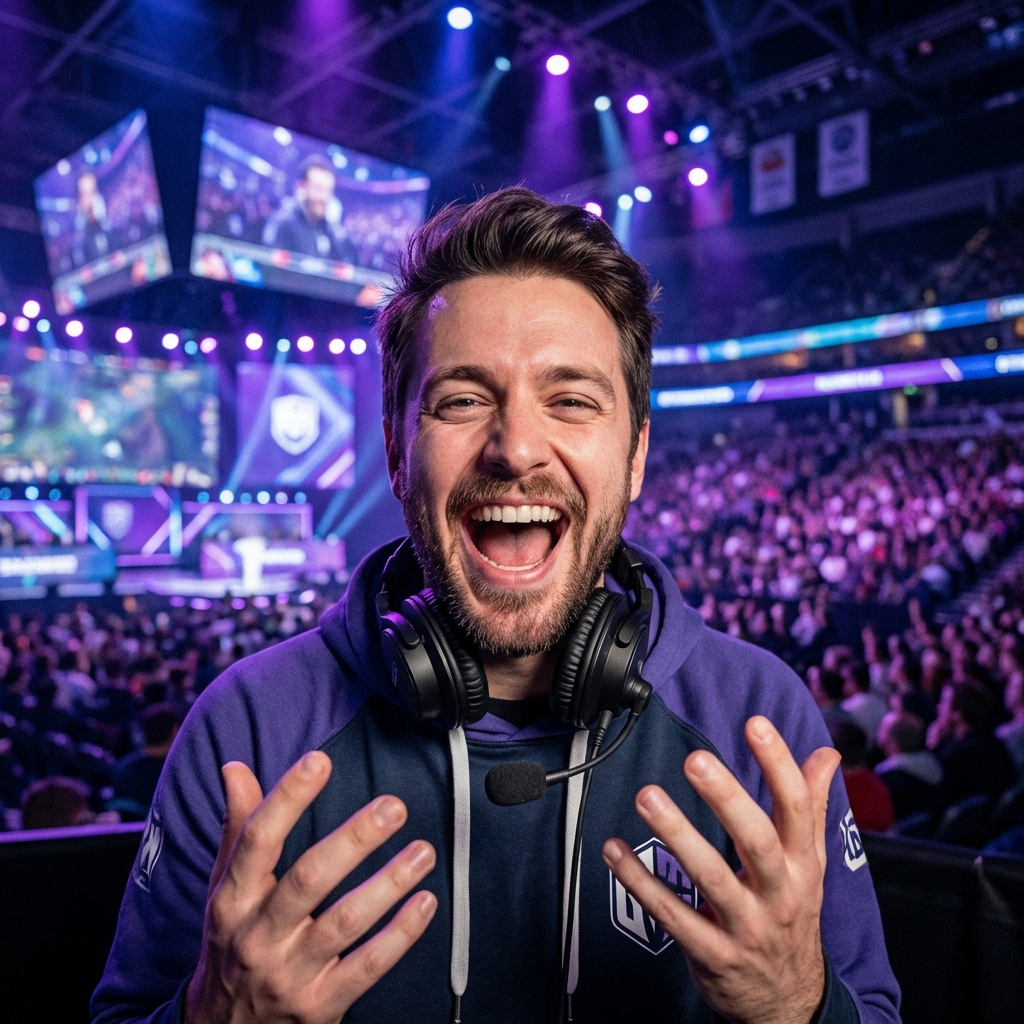
The transition of esports from dimly lit LAN halls to professionally produced broadcasts is a key driver of its mainstream acceptance. Today, esports events are broadcast with the same, if not higher, production values as traditional sports. High-definition streams, multiple camera angles, expert commentary, instant replays, and sophisticated graphics packages create an engaging and immersive viewing experience. Platforms like Twitch, YouTube Gaming, and dedicated esports channels have made it easier than ever for fans to access live competitions. The growth in viewership has been astronomical. Major esports tournaments now rival or surpass the viewership of many traditional sporting events. The "League of Legends" World Championship, for instance, has consistently drawn tens of millions of concurrent viewers, with some estimates placing peak viewership in the hundreds of millions. This massive audience has attracted advertisers and sponsors who recognize the immense reach and engagement potential of the esports demographic, which is often younger and more digitally native than that of traditional sports. The role of casters and analysts cannot be overstated. These individuals are the voices and minds behind the broadcast, providing context, explaining complex strategies, and building excitement. Their expertise and passion for the games they cover are crucial in making esports accessible and enjoyable for both seasoned fans and newcomers. Professional esports broadcasts are now multi-lingual, catering to a global audience and further cementing esports' international appeal.The Evolution of Streaming Platforms
Twitch, launched in 2011, emerged as the dominant platform for esports streaming. Its interactive features, such as live chat and emotes, foster a strong sense of community among viewers. YouTube Gaming has also become a significant player, leveraging its vast user base and infrastructure. These platforms provide a direct pipeline between players, fans, and content creators, enabling a level of interaction unprecedented in traditional media. The rise of "streamers" who broadcast their gameplay daily has also contributed to building sustained interest in specific games and players.Casting and Commentary: The Narrative Weavers
Esports commentary is a highly specialized skill. Casters, often former professional players themselves, must possess an in-depth understanding of game mechanics, strategies, and player tendencies. They are responsible for translating the fast-paced action into a coherent and exciting narrative. Analysts provide deeper insights into team compositions, strategic decisions, and player performance, enhancing the educational aspect of the broadcast. The chemistry between casters and analysts is vital to creating an engaging viewing experience.Esports Viewership Growth (Millions of Concurrent Viewers - Peak)
The Business of Esports: Investment, Sponsorship, and Monetization
The economic engine of esports has grown in parallel with its popularity. Venture capital firms, private equity groups, and even major corporations are pouring billions of dollars into the industry. This investment fuels team acquisitions, league development, tournament organization, and the creation of supporting infrastructure. The perceived high engagement of the esports demographic makes it an attractive proposition for brands looking to reach a younger, tech-savvy audience. Sponsorship is a major revenue stream for esports organizations and events. Non-endemic brands, those outside the gaming and tech sectors, are increasingly sponsoring teams and tournaments. This includes everything from energy drink companies and apparel brands to automotive manufacturers and financial institutions. These partnerships often involve jersey sponsorships, in-game advertising, and brand activations at live events. The authenticity of these partnerships is key, as fans are quick to identify and reject sponsorships that feel inauthentic or exploitative. Monetization strategies in esports are diverse. Beyond sponsorships, revenue comes from merchandise sales, ticketing for live events, media rights, and in-game purchases. For game developers, esports is a powerful marketing tool that keeps players engaged and drives in-game economies. The sale of in-game items, such as cosmetic skins or battle passes, often directly or indirectly supports the esports ecosystem by funding prize pools and operations. The potential for growth in these revenue streams is significant as the industry matures.Investment Trends and Venture Capital
The influx of capital has transformed esports organizations from passion projects into sophisticated businesses. Major investment rounds have seen teams valued in the hundreds of millions of dollars. Venture capital firms are attracted by the high growth potential, the passionate and engaged audience, and the increasing professionalization of the industry. This investment has allowed teams to hire top talent, invest in infrastructure, and expand their global reach.The Sponsorship Landscape
The esports sponsorship landscape is dynamic and expanding. Brands recognize the unparalleled engagement rates of esports audiences. Companies like Red Bull, Intel, and Coca-Cola have been early adopters, but the trend has expanded to include luxury brands, automotive companies, and even healthcare providers. Creating authentic partnerships that resonate with the esports community is crucial for success. This often involves co-creation of content and genuine integration into the gaming culture."Esports represents a paradigm shift in entertainment. Brands are no longer just reaching consumers; they are engaging with a passionate community that values authenticity and interaction. The ROI potential is immense for those who understand the culture."
— Alex "Viper" Chen, Chief Strategy Officer, Apex Gaming Ventures
The Global Reach: Cultural Impact and Geographic Expansion
Esports is a truly global phenomenon, transcending geographical boundaries and cultural differences. While certain regions like South Korea, China, and North America have historically been dominant, the sport's influence is spreading rapidly across Europe, Southeast Asia, Latin America, and beyond. Major tournaments are held in iconic venues worldwide, drawing massive crowds and generating international media attention. The cultural impact of esports is profound. It has fostered new subcultures, language, and communities. The collaborative nature of many esports titles encourages teamwork, communication, and strategic thinking, skills that are transferable to many aspects of life. The rise of esports has also challenged traditional notions of what constitutes a "sport" and who can be an athlete. It has provided a platform for diverse individuals to achieve recognition and success based on their digital prowess and dedication. The expansion of esports into new territories is driven by a combination of factors: increasing internet penetration, the availability of affordable gaming hardware, and the growing popularity of specific game titles. Localized leagues, tournaments, and content creators are emerging in these regions, catering to specific cultural nuances and building dedicated fan bases. This geographic diversification ensures the long-term sustainability and continued growth of the global esports ecosystem.Esports Across Continents
From the bustling metropolises of Asia to the passionate fan bases in Europe and the burgeoning markets in South America, esports is connecting people worldwide. South Korea has a long-standing reputation for esports excellence, particularly in RTS and MOBA games. China boasts the largest esports market by revenue and viewership, with massive government support. North America and Europe are major hubs for professional leagues and investment. Emerging regions are rapidly developing their own infrastructure and talent pools. Reuters Esports News Esports on WikipediaChallenges and Controversies: The Road Ahead
Despite its meteoric rise, esports faces its share of challenges and controversies. Issues such as player burnout, mental health concerns, doping allegations, and the risk of cheating remain significant hurdles. The rapid pace of game development and the potential for a title to lose popularity can also create instability for teams and players. Ensuring the long-term well-being of players and maintaining the integrity of competitions are paramount for sustained growth. The debate surrounding the definition of "esports" as a legitimate sport continues. While many acknowledge its competitive nature, some critics point to the lack of physical exertion compared to traditional sports. However, proponents argue that the mental exertion, strategic depth, and rigorous training required are equivalent. Furthermore, the inclusion of esports in major multi-sport events like the Asian Games signifies a growing recognition of its legitimacy. The regulatory landscape for esports is still evolving. Issues such as player contracts, intellectual property rights, and anti-trust concerns need to be addressed to ensure a fair and stable environment for all stakeholders. The industry is still relatively young and is navigating these complexities as it matures. Addressing these challenges proactively will be crucial for esports to solidify its position as a mainstream global phenomenon.Player Welfare and Mental Health
The intense pressure and demanding schedules in professional esports can take a toll on players' mental and physical health. Issues like burnout, anxiety, and depression are prevalent. Organizations are increasingly investing in sports psychologists, wellness programs, and better work-life balance for their players. Transparent contracts and fair labor practices are also critical for protecting player rights.Maintaining Competitive Integrity
Cheating, match-fixing, and the use of performance-enhancing substances (doping) pose significant threats to the credibility of esports. Robust anti-cheat systems, thorough investigations, and strict penalties are essential. The establishment of independent bodies to oversee competitive integrity is a growing trend, aiming to build trust and ensure fair play for both players and fans.The Future: Innovation, Integration, and Immersion
The future of esports is incredibly bright, promising further innovation and deeper integration into the global entertainment landscape. Augmented reality (AR) and virtual reality (VR) technologies hold immense potential to create more immersive viewing and playing experiences. Imagine spectators being able to virtually "sit" courtside at a Dota 2 match or experience the battlefield from a player's perspective. The lines between traditional sports and esports are likely to continue blurring. We may see more crossover investments, joint ventures, and the inclusion of esports in mainstream sporting events. The development of new game genres and the evolution of existing ones will keep the competitive landscape fresh and engaging. Furthermore, advancements in AI and machine learning could revolutionize training, analytics, and even in-game spectator experiences. The continued professionalization of the industry, coupled with a growing global fan base, suggests that esports will only become more influential. As technology advances and audiences become more accustomed to digital entertainment, esports is poised to remain at the forefront of the entertainment revolution, shaping how we compete, consume, and connect.What is esports?
Esports, or electronic sports, refers to organized, competitive video gaming, typically involving professional players competing against each other in various video games. These competitions are often watched by a live audience and broadcast online.
How did esports become so popular?
Esports gained popularity through advancements in internet technology, the rise of PC and console gaming, the development of competitive game titles, the growth of streaming platforms like Twitch, and increased investment and professionalization of teams and leagues.
Is esports considered a real sport?
This is a subject of ongoing debate. While esports lacks the physical exertion of traditional sports, it requires immense skill, strategic thinking, quick reflexes, teamwork, and rigorous training, similar to many recognized sports. Its inclusion in events like the Asian Games suggests growing acceptance.
What are the biggest esports games?
Some of the most popular esports titles include League of Legends, Dota 2, Counter-Strike: Global Offensive (CS:GO), Valorant, Call of Duty, and Overwatch, among many others, depending on regional popularity and genre.