

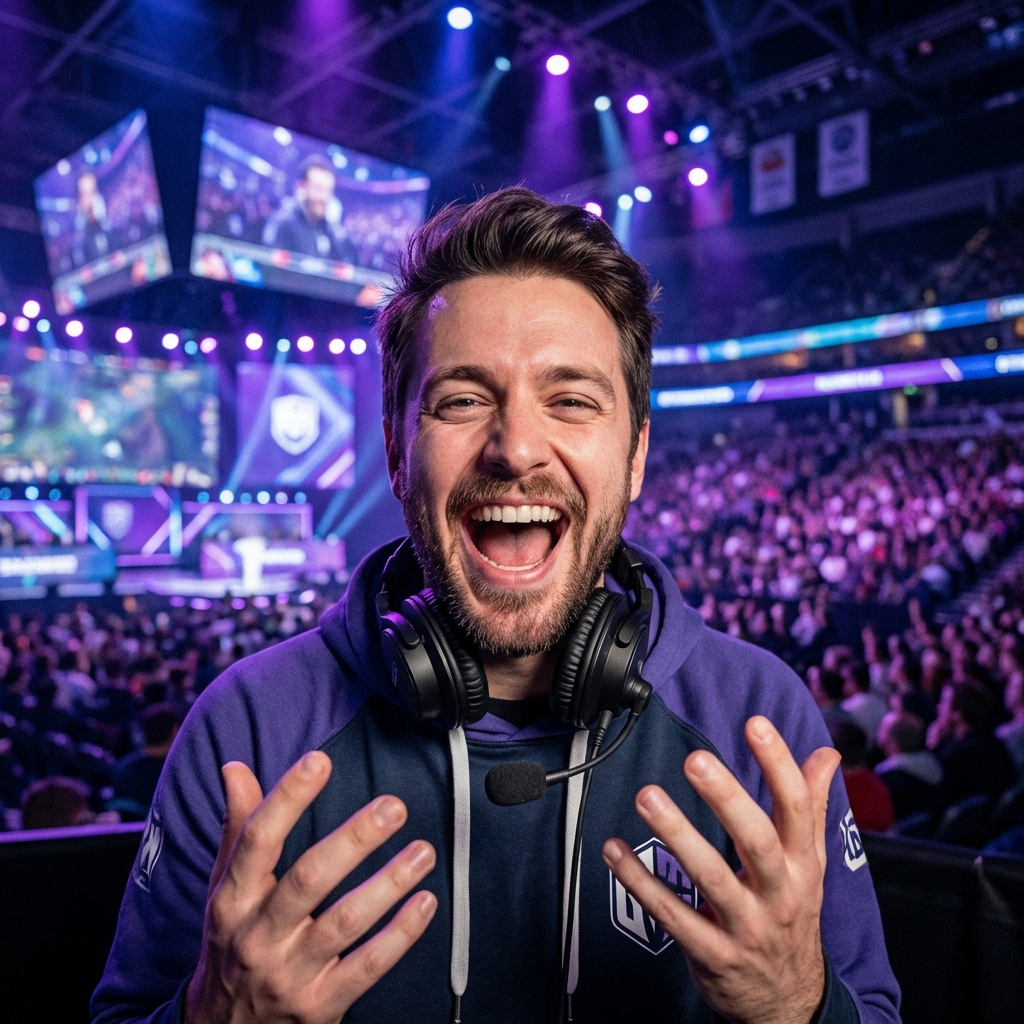
 Tom 'Retro' Baker
The global esports market is projected to generate over $2.2 billion in revenue by the end of 2024, a staggering increase from just a few hundred million dollars a decade ago, signaling a profound shift in entertainment and professional athletics.
The Unfolding Arena: Esports Meteoric Rise
Once a niche hobby confined to basements and dimly lit internet cafes, competitive video gaming, now broadly termed "esports," has exploded into a global phenomenon. This transformation is not merely about increased player numbers; it's about the institutionalization and professionalization of a passion that resonates with a digitally native generation. The sheer scale of participation, both as players and spectators, rivals and in some demographics, surpasses traditional sports. We are witnessing the birth and rapid maturation of an entirely new entertainment vertical, one that leverages cutting-edge technology and a deep understanding of online communities.
The concept of "professional virtual athletics" has moved beyond a theoretical construct to a tangible reality. Athletes dedicate thousands of hours to honing their skills, strategizing, and perfecting team synergy, mirroring the rigorous training regimens of their physical counterparts. Organizations are built around these players, complete with coaches, analysts, sports psychologists, and even nutritionists. This comprehensive approach underscores the seriousness with which esports is now treated, demanding a level of dedication and discipline that is anything but casual.
From Hobby to High Stakes
The journey from casual gaming sessions to million-dollar prize pools and lucrative sponsorship deals has been swift and impactful. Games like League of Legends, Dota 2, Counter-Strike 2, and Valorant have become the pillars of this burgeoning industry, each boasting massive, dedicated player bases and vibrant competitive ecosystems. These titles are not just games; they are complex strategic battlegrounds that require immense cognitive ability, lightning-fast reflexes, and unparalleled teamwork.
The accessibility of esports, requiring primarily a stable internet connection and a capable gaming device, has contributed significantly to its global reach. Unlike many traditional sports that may have geographical or financial barriers to entry, esports offers a more democratized pathway for aspiring professionals. This inclusivity has fostered a diverse talent pool and a broad, engaged audience that spans continents and cultures.
The Digital Colosseum
The spectator experience for esports is as dynamic and engaging as the gameplay itself. State-of-the-art arenas, often repurposed from traditional sports venues, are packed with thousands of fans cheering on their favorite teams. These live events are complemented by sophisticated online streaming platforms like Twitch and YouTube Gaming, which attract millions of concurrent viewers, creating a constant buzz and a global community of fans. The production value of these broadcasts rivals that of major sporting events, with expert commentary, intricate player statistics, and engaging visual effects.
The integration of technology plays a pivotal role. Augmented reality overlays provide viewers with real-time data, player performance metrics, and strategic insights, enhancing the understanding and appreciation of the game. This fusion of technology and sport creates an immersive experience that captivates a modern audience accustomed to interactive digital content.
The Economic Engine: Revenue Streams and Investment
The financial architecture of esports is rapidly evolving, driven by a diverse array of revenue streams. Sponsorships, advertising, media rights, merchandise, and ticket sales form the backbone of the industry's economic growth. Major non-endemic brands, from automotive manufacturers to luxury fashion houses, are increasingly allocating significant marketing budgets to esports, recognizing its powerful reach into the highly sought-after millennial and Gen Z demographics.
Investment has poured into esports organizations, leagues, and infrastructure. Venture capital firms, private equity groups, and even traditional sports franchises are recognizing the long-term potential of this sector. This influx of capital fuels expansion, team acquisitions, and the development of new competitive titles and platforms.
Sponsorships and Brand Integration
Sponsorships are arguably the most significant revenue driver for esports organizations. Brands are keen to associate themselves with the passion, skill, and dedicated fan bases that esports cultivates. These partnerships range from simple logo placements on jerseys and streaming channels to in-game activations and collaborative marketing campaigns. The authenticity of these integrations is crucial; brands that genuinely understand and engage with the esports community tend to achieve the greatest success.
The data-driven nature of digital marketing also allows for highly measurable ROI for sponsors. Metrics such as viewership numbers, engagement rates, and social media sentiment provide clear indicators of campaign effectiveness, making esports an attractive proposition for performance-oriented marketers. Many sponsors are no longer treating esports as a fringe activity but as a core component of their media mix.
Media Rights and Broadcasting Deals
As viewership numbers have soared, so too has the value of media rights. Esports leagues and tournament organizers are negotiating increasingly lucrative deals with traditional broadcasters and streaming platforms. These agreements secure exclusive broadcasting rights, ensuring that top-tier competitions reach a wide audience while generating substantial revenue for the rights holders. The shift from purely organic viewership on platforms like Twitch to formalized media rights deals signifies the industry's maturation and its growing appeal to mainstream media.
The fragmentation of media consumption has also led to innovative broadcasting strategies. Content is delivered across multiple platforms simultaneously, catering to different audience preferences. This multi-platform approach ensures maximum reach and engagement, further enhancing the value of media rights.
| Revenue Stream | Projected 2024 (USD Billions) | Growth Factor (YoY) |
|---|---|---|
| Sponsorships | $1.05 | +18% |
| Media Rights | $0.52 | +22% |
| Advertising | $0.31 | +15% |
| Merchandise & Tickets | $0.34 | +10% |
| Publisher Fees | $0.10 | +8% |
Investment and Valuation
The valuation of esports organizations has skyrocketed, with some now commanding hundreds of millions of dollars. This has attracted investment from a wide range of entities, including venture capital firms, angel investors, and even established sports franchises looking to diversify their portfolios. The potential for exponential growth, coupled with the demographic appeal of esports, makes it a compelling investment opportunity.
This investment fuels team infrastructure, player salaries, marketing efforts, and the development of new talent. It also underpins the creation of more professionalized league structures, mirroring those found in traditional sports. The pursuit of profitability and sustainability is driving a more business-centric approach across the entire esports ecosystem.
Player Power: Professionalism, Training, and Well-being
The stereotype of the unkempt gamer glued to a screen for days on end is rapidly becoming obsolete. Professional esports athletes are now highly trained individuals who understand that peak performance requires a holistic approach. This includes rigorous physical conditioning, mental resilience training, and a focus on overall health and well-being. The demands of competitive gaming are immense, requiring not just quick reflexes but also strategic thinking, pattern recognition, and the ability to perform under intense pressure.
Teamwork and communication are paramount. Unlike solo sports, most popular esports titles are team-based, demanding seamless coordination, trust, and effective leadership. Coaches and analysts play a crucial role in developing strategies, analyzing opponents, and fostering team cohesion, much like in traditional sports.
The Science of Performance
Esports organizations are increasingly employing sports scientists, physiotherapists, and nutritionists to optimize player performance. This includes personalized training regimens that focus on improving reaction times, hand-eye coordination, and cognitive function. Ergonomics also plays a vital role, with attention paid to posture, seating, and equipment to prevent repetitive strain injuries and ensure comfort during long gaming sessions.
Mental conditioning is another critical area. Esports athletes face immense pressure from demanding schedules, high stakes competitions, and public scrutiny. Sports psychologists are brought in to help players manage anxiety, maintain focus, build resilience, and cope with both wins and losses. The mental game is often as important as the mechanical skill.
Player Welfare and Longevity
As the industry matures, there's a growing emphasis on player welfare and ensuring the longevity of careers. Burnout, mental health issues, and physical injuries are real concerns. Organizations are investing in resources to address these challenges, including access to healthcare, mental health support services, and programs designed to help players transition into post-playing careers. The average career span in esports can be shorter than in traditional sports due to the rapid evolution of games and the intense competition for top spots.
The establishment of player associations and collective bargaining agreements is also becoming more prevalent, aiming to standardize contracts, ensure fair compensation, and advocate for player rights. This move towards greater player empowerment is a sign of a maturing industry seeking to protect its most valuable assets.
Training Regimens and Coaching Staff
A typical day for a professional esports player involves a structured routine. This often begins with physical exercise, followed by VOD (Video on Demand) review of past games and opponents. Then comes scrimmaging – practice matches against other professional teams. Strategy sessions with coaches and analysts are interspersed throughout the day. Nutrition and sleep are also carefully managed to ensure optimal cognitive and physical function.
Coaching staff are no longer just cheerleaders; they are strategists, motivators, and mentors. They analyze game meta-changes, develop team compositions, and guide players through complex decision-making processes. The role of the coach is integral to a team's success, providing a stable and experienced presence amidst the fast-paced world of competitive gaming.
The Spectacle of Sport: Broadcasting and Fan Engagement
Esports broadcasting has evolved dramatically, transforming how fans consume competitive gaming. Gone are the days of grainy webcam streams; professional esports broadcasts are now high-production value events featuring multiple camera angles, sophisticated graphics, expert commentators, and engaging studio analysis. Platforms like Twitch, YouTube Gaming, and dedicated esports channels have become the primary venues for fans to watch their favorite games and players.
The interactivity of these platforms is a key differentiator. Viewers can chat with each other, interact with streamers, donate to support players, and even influence in-game events through community votes. This level of direct engagement fosters a strong sense of community and loyalty among fans.
The Rise of the Streamer and Influencer
Individual streamers and content creators have become powerful figures in the esports landscape. Many professional players maintain popular streaming channels, offering fans a behind-the-scenes look at their training, personalities, and gameplay. These streamers build dedicated followings, often generating significant income through subscriptions, donations, and sponsorships, which can rival their esports earnings.
This influencer culture extends beyond just playing games. Many esports personalities create educational content, host discussions, and engage with their communities on social media, further deepening the connection between players, fans, and the games themselves. Their influence is a vital marketing tool for both games and associated brands.
Stadiums and Online Communities
Live esports events are a spectacle in themselves. Packed arenas generate an electric atmosphere, with fans displaying elaborate banners, engaging in chants, and celebrating every clutch play. The visual and auditory experience of attending an esports event is designed to be as thrilling as any major sporting final. These events are not just competitions; they are cultural gatherings for a global community.
Online communities are the bedrock of esports fandom. Forums, social media groups, and Discord servers buzz with discussions about teams, players, strategies, and the latest game updates. This constant engagement ensures that the conversation around esports never dies, maintaining momentum between tournaments and seasons. These digital spaces are where lasting fan loyalties are forged.
Beyond the Screen: Infrastructure and Ancillary Industries
The growth of esports has spurred the development of a robust ecosystem of supporting industries. This includes the creation of specialized gaming hardware and peripherals, high-performance PCs, and ergonomic furniture designed for long gaming sessions. The demand for quality gaming equipment has driven innovation among tech manufacturers.
Furthermore, a new wave of educational institutions and training programs has emerged, offering courses in game design, esports management, broadcasting, and professional play. These programs aim to equip individuals with the skills needed to thrive in the expanding esports economy, from players to coaches to business professionals.
Hardware and Technology Innovation
The performance demands of professional esports have pushed the boundaries of consumer electronics. High refresh rate monitors, low-latency mice and keyboards, and advanced audio equipment are essential for competitive play. Companies specializing in gaming peripherals have seen explosive growth, driven by the need for every possible edge in performance.
Beyond peripherals, the underlying technology of gaming itself is constantly advancing. Game engines are becoming more sophisticated, creating more immersive and realistic virtual environments. Innovations in cloud computing and network infrastructure are also crucial for supporting large-scale online tournaments and global player connectivity.
Education and Talent Development
The professionalization of esports has led to the establishment of dedicated educational pathways. Universities and colleges are offering esports management degrees, coaching certifications, and even scholarships for talented players. These programs aim to formalize the skills and knowledge required for success in the industry, moving beyond informal learning.
Esports academies and bootcamps are also popular, providing intensive training for aspiring professional players. These facilities often house state-of-the-art training equipment and employ experienced coaches, offering a structured environment for players to hone their skills and learn the intricacies of competitive play. This formalization of talent development is crucial for the industry's sustained growth.
Event Management and Venue Development
The staging of major esports tournaments requires specialized event management expertise. This includes logistics, security, broadcasting, and creating an engaging fan experience. A growing number of venues are either being purpose-built for esports or are being adapted from traditional sports stadiums to accommodate the unique needs of competitive gaming events.
The economic impact of these events extends beyond the direct revenue generated from ticket sales and sponsorships. They stimulate local economies through hospitality, tourism, and employment. The infrastructure development supporting these events is a testament to the significant economic footprint of the esports industry.
Challenges and Controversies: Navigating the Growth Pains
Despite its rapid ascent, the esports industry faces significant challenges and controversies. Issues such as cheating, doping (performance-enhancing drugs, both pharmaceutical and technological), match-fixing, and the mental and physical health of players remain persistent concerns. The rapid evolution of games means that the meta can change overnight, requiring constant adaptation from players and teams.
Regulation and standardization are still in their nascent stages. Unlike traditional sports with decades of established governance, esports is still defining its rules, ethical guidelines, and dispute resolution mechanisms. This lack of a unified governing body can lead to inconsistencies and challenges in addressing player welfare and competitive integrity.
Competitive Integrity and Cheating
Maintaining a fair and level playing field is paramount for the credibility of esports. The prevalence of cheating, ranging from aimbots and wallhacks to exploiting game bugs, poses a constant threat. Game developers and tournament organizers invest heavily in anti-cheat software and detection systems, but this remains an ongoing arms race.
Match-fixing and illegal betting on esports matches also present a serious challenge. The large sums of money involved can incentivize illicit activities, and the decentralized nature of online gaming can make it difficult to police. Robust integrity measures and collaborations with law enforcement are crucial to combat these threats.
Player Health and Burnout
The intense schedules, pressure to perform, and potential for physical strain (e.g., carpal tunnel syndrome) place significant demands on esports athletes. Burnout is a common issue, as players often struggle to balance competitive demands with personal lives. The lack of standardized player contracts and robust unionization in some regions can exacerbate these issues.
Mental health is another critical area. The stress of competition, public scrutiny, and the transient nature of esports careers can take a toll. Many organizations are now prioritizing mental health support, but access to professional help can still be inconsistent across the industry. The need for comprehensive player welfare programs is undeniable.
The Role of Game Developers
Game developers hold significant power and responsibility within the esports ecosystem. They create the games that form the basis of competition, design in-game economies, and often run the leagues and tournaments themselves. This direct control can lead to potential conflicts of interest, particularly when balancing the interests of players, fans, and the commercial viability of the game.
Transparency and collaboration between developers and the esports community are vital. Open communication about game updates, balance changes, and future plans can foster trust and help to ensure that the competitive landscape remains fair and engaging for all stakeholders. The need for independent oversight bodies is a recurring discussion point.
The Future is Now: Predictions and Emerging Trends
The trajectory of esports points towards continued, albeit potentially more measured, growth. We can anticipate further professionalization, with more standardized regulations, clearer career paths, and increased investment in player welfare. The lines between traditional sports and esports are likely to blur further, with cross-promotional activities and shared talent development initiatives becoming more common.
Emerging technologies such as virtual reality (VR) and augmented reality (AR) hold immense potential for transforming the esports experience, both for players and spectators. As these technologies mature, they could unlock entirely new forms of competitive gaming and immersive viewing.
Diversification of Esports Titles
While major titles like League of Legends and CS:GO will likely remain dominant, the esports landscape is expected to diversify. New genres and innovative game designs will emerge, creating opportunities for different types of competitive play. The rise of mobile esports, particularly in emerging markets, is a significant trend to watch, offering even greater accessibility.
Indie game developers are also increasingly exploring the esports potential of their creations, leading to a richer and more varied competitive ecosystem. The success of games like Rocket League, which blends traditional sports appeal with unique gameplay, suggests a market for accessible and spectator-friendly esports titles.
Technological Advancements: VR, AR, and AI
The integration of VR and AR into esports could usher in a new era of immersive gameplay and spectator experiences. Imagine not just watching a match but feeling as though you are on the virtual battlefield, or experiencing the game from the perspective of the players in real-time through AR overlays. This could redefine fan engagement and create entirely new performance metrics for athletes.
Artificial intelligence (AI) is also poised to play a larger role, assisting in player training, analyzing opponent strategies, and even potentially creating dynamic in-game challenges that adapt to player skill levels. AI could also be instrumental in developing more sophisticated anti-cheating measures and improving broadcast production.
Mainstream Integration and Hybrid Models
The ultimate validation of esports as a mainstream entertainment form will come with deeper integration into traditional media and sports. We are already seeing this with established sports organizations investing in esports teams and media companies acquiring broadcasting rights. The future may see hybrid leagues that combine physical and virtual competitions.
The continued acceptance by older demographics, coupled with the ongoing engagement of younger generations, will solidify esports' position as a dominant force in the entertainment industry. The business of professional virtual athletics is no longer a niche market but a significant and rapidly evolving sector with the potential to reshape how we define sport and competition.