

 Daniel Volk
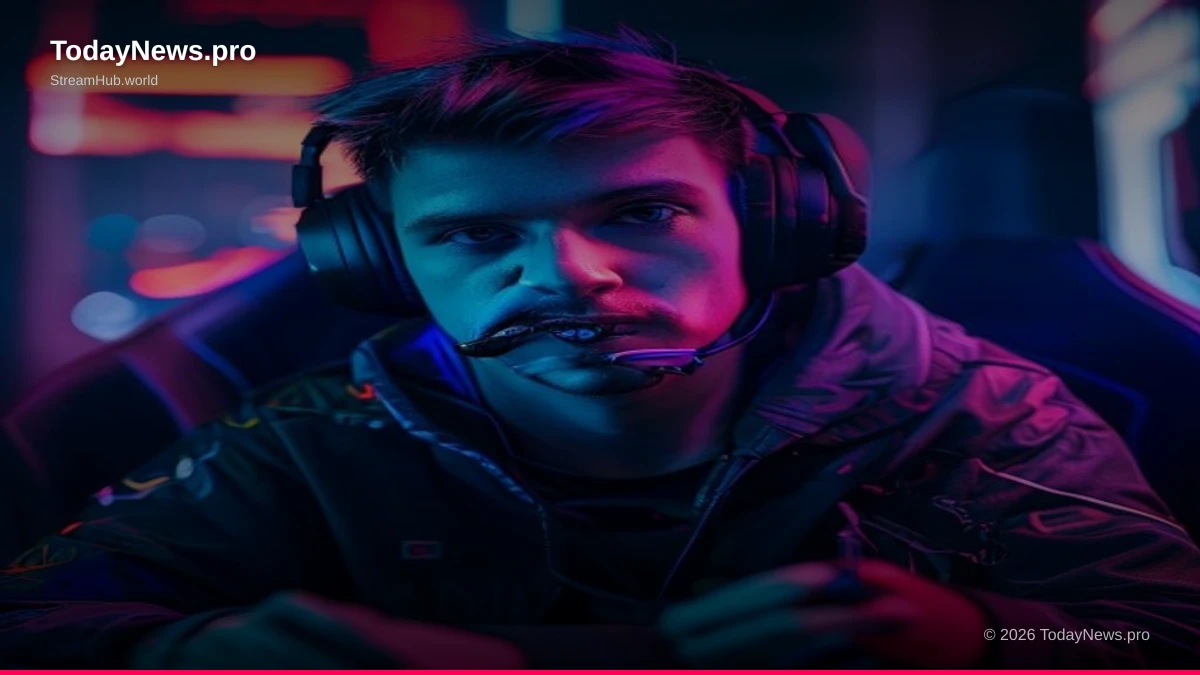
⏱ 40 min
In 2023, the global esports market was valued at approximately $1.38 billion, with projections indicating a continued upward trajectory to over $2.2 billion by 2026. This remarkable financial expansion is mirrored by a burgeoning cultural influence, transforming professional gaming from a niche interest into a mainstream entertainment force. Esports Beyond the Hype: The Business, Culture, and Future of Professional Gaming
The term "esports" has rapidly entered the lexicon of mainstream culture, often conjuring images of roaring crowds, professional athletes staring intently at screens, and massive prize pools. While these elements are certainly part of the phenomenon, they only scratch the surface of a complex and rapidly evolving industry. Esports, or competitive video gaming, has transcended its humble origins to become a sophisticated ecosystem encompassing business, technology, entertainment, and a vibrant global community. This in-depth analysis delves beyond the surface-level excitement to explore the intricate workings of esports, its cultural impact, and its promising future.Defining Esports: More Than Just Playing Games
At its core, esports involves organized, competitive video gaming, typically between professional players or teams. However, the definition extends far beyond individual matches. It encompasses leagues, tournaments, broadcasting, sponsorships, player training, and a dedicated fanbase. Unlike traditional sports which often rely on physical prowess, esports tests strategic thinking, reflexes, teamwork, and mental fortitude under immense pressure. The games themselves range from real-time strategy titles like StarCraft II to multiplayer online battle arenas such as League of Legends and Dota 2, and first-person shooters like Counter-Strike 2 and Valorant.The Road to Legitimacy: From Arcades to Stadiums
The history of competitive gaming is surprisingly long, with roots in arcade competitions of the 1970s and 80s. The advent of the internet and more powerful personal computers in the late 20th century laid the groundwork for modern esports. Early pioneers like Quake and StarCraft fostered online communities and nascent competitive scenes. The true explosion, however, began in the 2000s with the rise of dedicated esports leagues and major international tournaments. The early 2010s saw esports begin to gain significant mainstream attention, with events filling large arenas and attracting millions of online viewers. This gradual ascent from niche hobby to global spectacle is a testament to the dedication of its early proponents and the inherent appeal of competitive digital entertainment.The Explosive Growth: From Niche Hobby to Global Phenomenon
The journey of esports from a small, dedicated community to a global entertainment juggernaut has been nothing short of meteoric. This growth is not a fleeting trend but a fundamental shift in how entertainment is consumed and how talent is recognized. Factors contributing to this rapid expansion are multifaceted, involving technological advancements, cultural shifts, and increasing investment.Viewer Engagement: A Digital Native Audience
One of the most compelling aspects of esports' growth is its audience. Esports attracts a demographic that is highly engaged and digitally native. Viewers are not just passive observers; they are often active participants in the games themselves, fostering a deeper connection to the professional scene. Streaming platforms like Twitch and YouTube Gaming have been instrumental in facilitating this engagement, allowing fans to watch live matches, interact with players and casters, and access a vast library of esports content. The average esports viewer is younger, more diverse, and spends more time watching content than traditional sports viewers, making it highly attractive to advertisers and sponsors.Global Reach and Accessibility
Esports breaks down geographical barriers. A tournament can be watched simultaneously by millions across continents, fostering a truly global community. This accessibility is further amplified by the fact that many of the games are free-to-play, lowering the barrier to entry for aspiring players and fans alike. Major esports tournaments are now held in iconic venues worldwide, from the Staples Center in Los Angeles to the Mercedes-Benz Arena in Berlin, drawing sold-out crowds and generating immense buzz. The global nature of esports also allows for the development of regional talent hubs and distinct competitive scenes, contributing to its rich diversity.Key Growth Metrics
The sheer scale of esports growth can be illustrated with several key metrics:| Metric | 2020 (Approx.) | 2023 (Approx.) | Projected 2026 |
|---|---|---|---|
| Global Market Value | $950 million | $1.38 billion | $2.2 billion |
| Total Viewership (Millions) | 450 million | 570 million | 650 million |
| Prize Pools (Major Tournaments) | $50 million | $100 million+ | $150 million+ |
The Business of Esports: A Multi-Billion Dollar Industry
The financial infrastructure of esports is robust and rapidly diversifying. While prize money often garners headlines, the true economic engine lies in a complex web of revenue streams that make the industry sustainable and attractive to investors. Understanding these various components is crucial to appreciating the business acumen behind professional gaming.Revenue Streams: Beyond Ticket Sales
Esports generates revenue through a variety of channels:- Sponsorships and Advertising: This is the largest revenue driver, with brands from non-endemic sectors (automotive, finance, fashion) investing heavily to reach the coveted esports demographic.
- Media Rights: Broadcasting rights for major leagues and tournaments are increasingly valuable, akin to traditional sports.
- Merchandise: Team jerseys, branded apparel, and gaming peripherals represent a significant income stream.
- Publisher Fees: Game developers often take a cut from tournament ticket sales or in-game item sales related to esports events.
- Advertising on Streaming Platforms: Revenue generated from ads shown on Twitch, YouTube, and other streaming services during esports broadcasts.
- Ticket Sales and Venue Rentals: For live events, ticket sales and venue partnerships contribute to revenue.
Investment and Venture Capital: The Gold Rush
The immense growth potential of esports has attracted significant investment from venture capital firms, private equity, and even traditional sports organizations. Teams are now valued in the hundreds of millions of dollars, and major publishers are investing billions into their respective esports ecosystems. This influx of capital fuels infrastructure development, player salaries, marketing efforts, and technological innovation.$1.38B
2023 Market Value
70%
Sponsorship Revenue Share
$100M+
Total 2023 Prize Pools
40+
Major Game Franchises
The Role of Publishers: Gatekeepers and Innovators
Esports publishers, the companies that develop and own the games, play a pivotal role. They control the intellectual property, dictate game balance, and often organize or sanction the official leagues and tournaments. This centralized control can be both a strength and a weakness. It ensures a degree of stability and investment but also raises questions about monopolies and the autonomy of third-party organizers. Publishers like Riot Games (League of Legends), Valve (Dota 2, CS:GO), and Activision Blizzard (Call of Duty) are major players in shaping the esports landscape."The business model of esports is still evolving, but the passion of the fanbase combined with the reach of digital platforms creates an unparalleled advertising opportunity for brands willing to engage authentically."
— Sarah Chen, Senior Esports Consultant
The Culture of Esports: Community, Identity, and the Player Experience
Beyond the spreadsheets and sponsorship deals, esports is a cultural phenomenon deeply intertwined with the lives of millions. It fosters a sense of belonging, provides platforms for self-expression, and has shaped new forms of entertainment and fandom. The culture is dynamic, diverse, and constantly evolving.Fan Communities: More Than Just Spectators
Esports fans are not passive consumers; they are an integral part of the experience. Online forums, social media groups, and fan conventions create vibrant communities where fans discuss strategies, celebrate victories, and commiserate over losses. This communal aspect is amplified by the interactive nature of streaming, where viewers can engage directly with content creators and fellow fans in real-time. This shared passion builds strong bonds and a sense of identity, making esports fandom a powerful cultural force.Player Archetypes and Role Models
Professional esports players, or "pros," are the celebrities of this digital age. They are often young, incredibly skilled, and possess unique personalities that resonate with their audiences. While some pros are known for their stoic focus, others are charismatic entertainers who build large followings through their streaming personalities. These players serve as aspirational figures for aspiring gamers, demonstrating that dedication and talent can lead to extraordinary careers. The increasing diversity in player backgrounds and nationalities reflects the global nature of the scene.Inclusivity and Diversity: Challenges and Progress
While esports has made strides in inclusivity, it still faces challenges. Historically, the gaming community has struggled with issues of sexism, racism, and toxicity. However, there is a growing awareness and effort to create more welcoming and diverse environments. Initiatives promoting women in esports, support for LGBTQ+ players, and anti-harassment campaigns are gaining traction. The growth of esports offers an opportunity to build a more equitable and inclusive competitive landscape from the ground up.The Blurring Lines: Esports and Traditional Entertainment
Esports is increasingly intersecting with traditional entertainment. Esports organizations are developing their own media content, investing in documentaries, and even launching their own streaming services. Celebrities and traditional sports figures are investing in esports teams, and esports personalities are appearing in mainstream media. This convergence signifies the growing cultural acceptance and integration of esports into the broader entertainment ecosystem.The Technology Driving Esports Forward
The rapid evolution of esports is inextricably linked to technological advancements. From the hardware that powers games to the software that streams and analyzes matches, technology is the bedrock upon which the entire industry is built.Hardware Innovations: The Performance Edge
High-performance gaming PCs, graphics cards, and low-latency monitors are essential for competitive play. The pursuit of smoother frame rates, faster response times, and higher resolutions directly impacts a player's ability to perform. Peripheral devices like ergonomic keyboards, responsive mice, and high-fidelity headsets also play a crucial role, allowing players to execute precise inputs and communicate effectively. The continuous innovation in hardware ensures that the technology keeps pace with the demands of increasingly complex and visually stunning games.Software and Infrastructure: The Digital Backbone
Online multiplayer gaming relies on robust server infrastructure and sophisticated netcode to minimize lag and ensure fair play. Streaming platforms like Twitch utilize advanced encoding and content delivery networks to broadcast live events to millions of viewers globally. Furthermore, data analytics and AI are increasingly being used to analyze player performance, identify trends, and even assist with coaching and strategy development. The development of anti-cheat software is also a critical ongoing effort to maintain the integrity of competitive play.Virtual and Augmented Reality: The Next Frontier?
While still in its nascent stages, virtual reality (VR) and augmented reality (AR) hold significant potential for the future of esports. VR could offer entirely new immersive competitive experiences, while AR could integrate digital gameplay elements into the real world. Companies are actively exploring how these technologies can be leveraged to create novel esports titles and fan experiences, though widespread adoption and technical challenges remain.Challenges and Opportunities in the Esports Landscape
Despite its impressive growth, esports is not without its challenges. Navigating these hurdles effectively will be crucial for its continued maturation and long-term success. Simultaneously, emerging opportunities present exciting avenues for expansion and innovation.Player Welfare and Mental Health
The demanding nature of professional esports, with its long practice hours, intense pressure, and potential for burnout, raises concerns about player welfare and mental health. The industry is increasingly recognizing the need for structured support systems, including sports psychologists, physical trainers, and better work-life balance initiatives. Ensuring the long-term health and well-being of its athletes is paramount for the sustainability of esports.Monetization and Sustainability
While sponsorships are a major revenue driver, over-reliance on them can create vulnerabilities. Diversifying revenue streams and ensuring sustainable business models for teams and leagues are ongoing challenges. The increasing cost of operating professional esports organizations also necessitates careful financial management.Regulatory Frameworks and Governance
As esports matures, the need for clear regulatory frameworks and standardized governance becomes more apparent. Issues such as player contracts, anti-doping policies, and dispute resolution mechanisms are areas that require attention to bring esports closer to parity with traditional sports. Establishing a governing body or a consensus-driven framework is a significant opportunity.The Potential of Mobile Esports
The explosion of mobile gaming has opened up a vast new frontier for esports. Mobile esports titles boast enormous player bases, particularly in emerging markets, offering immense potential for growth and accessibility. This segment of esports is often more inclusive and has lower barriers to entry, making it a crucial area for future development. For instance, mobile esports are already a massive phenomenon in many parts of the world.The Future of Esports: Predictions and Potential
Looking ahead, the trajectory of esports points towards continued innovation, increased professionalization, and broader societal integration. The industry is still in its adolescence, with vast potential for further development.Mainstream Integration and Recognition
Esports will likely continue to gain recognition as a legitimate sport and entertainment category. We can expect to see more universities offering esports scholarships, more professional training facilities, and even greater integration into traditional sports broadcasting. The Olympics have even begun to explore the inclusion of esports, indicating a growing acceptance. For more on the Olympic discussion, one can refer to reports from outlets like Reuters.Technological Advancements and New Experiences
The ongoing evolution of gaming technology will undoubtedly shape the future of esports. Innovations in cloud gaming, AI-driven analytics, and immersive technologies like VR and AR will likely lead to entirely new competitive formats and fan experiences. The development of new game genres specifically designed for competitive play will also be a significant factor."The most exciting aspect of esports' future is its adaptability. It's a dynamic field that can readily incorporate new technologies and trends, ensuring it remains relevant and engaging for generations to come."
— Dr. Anya Sharma, Digital Media Futurist
The Rise of the Creator Economy within Esports
The lines between players, streamers, and content creators will continue to blur. The esports ecosystem will further empower individuals to build personal brands and monetize their content, creating a more diversified and resilient industry. This creator-driven model will foster deeper fan engagement and provide new avenues for talent development.Global Expansion and Diversification
While established markets like North America and Europe are significant, the future of esports also lies in its continued global expansion, particularly in Asia, Latin America, and Africa. The development of localized content, regional leagues, and accessible platforms will be key to unlocking the potential of these emerging markets. The future of esports is bright, promising a continued evolution that will redefine entertainment and competition in the digital age. It is an industry built on passion, innovation, and a deep understanding of its engaged global community, moving far beyond the initial hype to establish itself as a legitimate and influential force.What is the primary difference between esports and traditional sports?
The primary difference lies in the medium of competition. Traditional sports rely on physical prowess and athletic skill in the real world, while esports involve competitive video gaming, testing cognitive abilities, strategic thinking, reflexes, and teamwork within a digital environment.
How do professional esports players train?
Professional esports players typically train for many hours a day. This involves extensive practice of their chosen game, reviewing gameplay footage (vods), analyzing opponent strategies, participating in scrimmages (practice matches against other teams), and working with coaches and analysts to refine their skills and teamwork.
Is esports a legitimate career path?
Yes, esports has become a legitimate career path for many. Professional players can earn substantial salaries and prize money. Beyond playing, careers exist in coaching, team management, event organization, broadcasting, content creation, marketing, and technical support within the esports industry.
What are the most popular esports games?
The most popular esports games vary by genre and region but consistently include titles such as League of Legends, Dota 2, Counter-Strike 2, Valorant, Fortnite, Apex Legends, and various mobile titles like Mobile Legends: Bang Bang and PUBG Mobile.