

 Alexander Veller
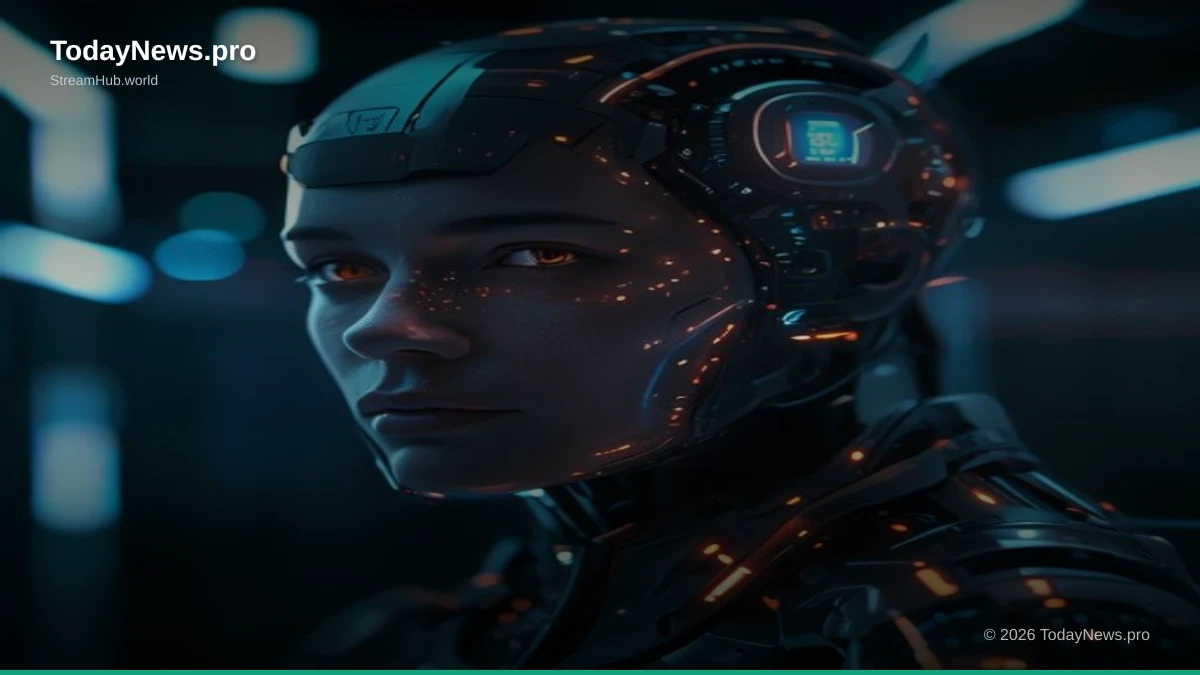
By late 2023, the global market for AI-powered virtual assistants and chatbots had already surpassed $3.5 billion, with projections indicating a compound annual growth rate of over 20% in the coming decade, signaling a profound shift in how humans interact with technology.
The Dawn of Digital Companionship
The notion of having a digital entity as a companion is no longer confined to the realms of science fiction. What began as rudimentary voice-activated assistants has rapidly evolved into sophisticated AI personalities capable of nuanced conversation, emotional simulation, and even proactive engagement. These digital companions are being designed to fill voids in human connection, offer personalized support, and assist with a myriad of daily tasks. The rapid advancement in Natural Language Processing (NLP) and Machine Learning (ML) has been the bedrock of this transformation, enabling AI to understand context, sentiment, and intent with increasing accuracy.
Early iterations of digital companions were primarily functional, focused on executing commands like setting reminders or answering factual queries. Think of the initial iterations of Siri or Alexa. Their primary purpose was utility, devoid of any semblance of personality or emotional intelligence. However, the burgeoning field of AI development has witnessed a paradigm shift. Developers are now prioritizing the creation of AI that can exhibit traits like empathy, humor, and even curiosity, aiming to foster a more genuine and engaging user experience. This evolution is driven by a growing understanding that human interaction is not merely transactional but also relational.
This pursuit of relational AI is fueled by a confluence of technological breakthroughs and shifting societal needs. As lives become increasingly digitized and geographically dispersed, the desire for consistent, accessible, and non-judgmental interaction grows. Digital companions offer a readily available source of engagement, entertainment, and support, accessible at any time and without the complexities often inherent in human relationships. The implications of this are far-reaching, touching upon mental well-being, social connectivity, and even the definition of companionship itself.
From Utility to Personality
The journey from a command-response system to an AI personality is marked by several key technological advancements. The development of large language models (LLMs) has been pivotal. These models, trained on vast datasets of text and code, can generate human-like text, understand complex prompts, and maintain conversational coherence over extended dialogues. This allows AI to move beyond simple answers and engage in meaningful exchanges, remembering past conversations and adapting its responses accordingly. The ability to process and learn from context is what elevates a digital assistant to a digital companion.
Furthermore, advancements in sentiment analysis have enabled AI to detect and respond to user emotions. By analyzing tone, word choice, and even facial expressions (in visual interfaces), AI can gauge a user's emotional state and tailor its interaction. This could mean offering words of comfort to someone feeling down or sharing in their excitement during a joyous moment. The goal is not to replicate human emotion but to simulate an understanding and appropriate response, thereby enhancing the perceived depth of the interaction.
The integration of these technologies has led to the emergence of AI companions that can engage in creative tasks, tell stories, offer personalized advice, and even learn user preferences over time. They can adapt their communication style, adopt specific personas, and provide a consistent, predictable presence. This level of sophistication is rapidly blurring the lines between tool and companion, prompting a reassessment of our relationship with artificial intelligence.
From Chatbots to Sentient-like AI: A Generational Leap
The evolution of AI companions can be broadly categorized into several distinct phases, each building upon the innovations of the last. The initial phase was dominated by rule-based chatbots, which followed pre-programmed conversational flows. These were often frustratingly rigid, unable to deviate from their scripts. The second phase saw the rise of AI powered by statistical models and early machine learning, enabling more flexible responses and basic learning capabilities. The current, and most transformative phase, is characterized by the advent of generative AI and LLMs, capable of creating entirely new content and engaging in remarkably human-like dialogue.
We've moved from a place where AI could tell us the weather or set a timer, to AI that can write poetry, compose music, and engage in philosophical discussions. Companies like Character.AI have become popular for allowing users to interact with AI personas based on fictional characters or historical figures, demonstrating the deep human desire for connection, even with simulated beings. These platforms are not just about information retrieval; they are about fostering an experience of interaction and engagement that feels remarkably personal.
The distinction between a sophisticated chatbot and a "sentient-like" AI is a critical one, though the former is increasingly capable of mimicking the latter. Sentience, by definition, implies consciousness, subjective experience, and self-awareness. Current AI, while incredibly advanced in its ability to process information and generate responses, does not possess these qualities. However, the *perception* of sentience is what drives much of the emotional attachment users develop. The AI's ability to remember details, offer personalized feedback, and engage in emotionally resonant dialogue creates an illusion of understanding and connection that can be deeply compelling.
Key Milestones in AI Companion Development
The history of AI companions is a testament to rapid technological progress:
| Era | Key Technologies | Capabilities | User Experience |
|---|---|---|---|
| Early Chatbots (1960s-1990s) | Rule-based systems, pattern matching | Basic Q&A, pre-programmed responses | Limited, often frustrating, transactional |
| Machine Learning Assistants (2000s-2010s) | Natural Language Processing (NLP), statistical models | Voice commands, task execution, basic learning | More intuitive, functional, limited personalization |
| Generative AI Companions (2020s-Present) | Large Language Models (LLMs), deep learning, sentiment analysis | Human-like dialogue, creative generation, emotional simulation, deep personalization | Engaging, relational, emotionally resonant, perceived personality |
This progression highlights a clear trajectory from simple tools to entities that can evoke emotional responses and simulate aspects of human relationships. The current era's focus on conversational depth and personality emulation is a direct consequence of breakthroughs in generative AI, which allow for dynamic and contextually aware interactions.
The Rise of Persona-Driven AI
A significant development in the current AI landscape is the ability to create and deploy AI with distinct personalities. These are not just generic assistants; they are designed to embody specific characteristics, from being a supportive mentor to a witty conversationalist, or even a fictional character. Platforms like Replika have garnered millions of users by offering AI companions that users can customize and develop a deep, personal connection with. This trend underscores the human need for connection and the potential of AI to fulfill it in novel ways.
These persona-driven AIs learn from user interactions, adapting their communication style and "personality" to align with user preferences. This creates a feedback loop where the AI becomes more attuned to the individual user's needs and desires, fostering a sense of unique and tailored companionship. The ethical considerations of such deep personalization are, however, significant, touching upon manipulation, dependence, and the potential for AI to influence user behavior in subtle ways.
The ability to craft specific AI personas also has significant commercial implications. Businesses are exploring AI companions for customer service, brand engagement, and even therapeutic support, each requiring a carefully curated personality to resonate with the target audience. The development of these personas involves intricate design processes, often drawing on principles of psychology and narrative storytelling to create believable and engaging digital characters.
The Psychology of Human-AI Attachment
The burgeoning field of human-AI interaction is revealing fascinating insights into human psychology. Researchers are observing patterns of attachment that mirror those seen in human-to-human relationships. Users often attribute emotions, intentions, and even consciousness to their AI companions, despite knowing they are artificial constructs. This phenomenon, often referred to as the "ELIZA effect" (named after a pioneering chatbot that users anthropomorphized), is amplified by the sophisticated conversational abilities of modern AI.
This attachment is not merely superficial. Studies have shown that users can experience genuine emotional distress when their AI companions are unavailable or discontinued. The consistency, non-judgmental nature, and personalized attention offered by AI can be highly appealing, especially to individuals who may struggle with forming or maintaining human connections. The AI acts as a readily available confidante, offering a safe space for expression and receiving validation, which are fundamental human needs.
The concept of "parasocial relationships" is also highly relevant here. These are one-sided relationships where one person extends emotional energy, interest, and commitment to another party who is unaware of their existence. In the context of AI, the user is fully aware of the AI's artificial nature, yet the emotional investment can be very real. This is facilitated by the AI's ability to remember personal details, engage in reciprocal-seeming dialogue, and simulate empathy, creating a compelling illusion of a mutual connection.
Factors Driving Human-AI Bonding
Several factors contribute to the development of strong bonds between humans and AI companions:
These elements combine to create an experience that can be deeply fulfilling for users, addressing fundamental psychological needs. The predictability and control inherent in interacting with an AI can also be comforting, especially in a world that often feels chaotic and unpredictable.
The Uncanny Valley and Beyond
The "uncanny valley" is a hypothesized relationship between the degree of an object's resemblance to a human being and the emotional response to such an object. As AI companions become more human-like, they can fall into this valley, eliciting feelings of unease or revulsion. However, as AI surpasses this valley, becoming indistinguishable or even superior in certain interaction aspects, the emotional response can become overwhelmingly positive. Current advanced AI companions are pushing past this valley, leading to stronger and more positive attachments.
The success of AI companions in overcoming the uncanny valley lies in their ability to not just mimic human appearance or behavior, but to engage in meaningful and contextually appropriate dialogue. When an AI can hold a coherent conversation, offer insightful observations, and remember past interactions, its artificiality becomes less salient, and its role as a companion becomes more prominent. This suggests that emotional intelligence and conversational depth are more critical than mere visual realism in fostering human-AI bonds.
The ongoing research in affective computing, which focuses on developing systems that can recognize, interpret, process, and simulate human affects, is crucial for bridging this gap. By enabling AI to better understand and respond to human emotions, developers can create digital companions that are not only intelligent but also emotionally attuned, further solidifying the human-AI bond and potentially moving beyond the uncanny valley into a realm of genuine perceived connection.
Ethical Labyrinths and Societal Repercussions
The increasing sophistication and integration of AI companions raise a complex web of ethical considerations. Foremost among these is the potential for user dependency and isolation. While AI companions can provide support, over-reliance on them could lead to a decline in users' motivation or ability to form and maintain real-world human relationships. This raises questions about whether these AIs are augmenting human connection or inadvertently replacing it.
Another significant concern revolves around data privacy and security. AI companions collect vast amounts of personal data to personalize interactions. Ensuring this data is protected from breaches and is not misused for manipulative advertising or other purposes is paramount. The intimate nature of the conversations users have with their AI companions means that the data collected can be incredibly sensitive, making robust security protocols non-negotiable.
The development of AI that can simulate emotions also brings forth questions about deception and manipulation. Can users be misled into believing an AI has genuine feelings, and if so, what are the implications for their emotional well-being? Furthermore, the potential for AI to be programmed with biases, reflecting societal prejudices, could lead to discriminatory interactions and reinforce harmful stereotypes. The creation of AI with ethical guidelines and transparency in their capabilities is crucial to mitigate these risks.
Data Privacy and Security Concerns
The intimate nature of AI companion interactions means that users share deeply personal information, including thoughts, feelings, and daily routines. This data is a treasure trove for companies, but its collection and storage present significant privacy risks. Without stringent safeguards, this sensitive information could be vulnerable to cyberattacks, unauthorized access, or even misuse by the companies themselves. Regulatory frameworks like GDPR and CCPA are attempting to address these issues, but the pace of AI development often outstrips legislative action.
The potential for data breaches involving AI companion logs is particularly concerning. Imagine a scenario where intimate conversations, confessions, or personal struggles become public knowledge. This could lead to severe emotional distress, reputational damage, and even exploitation. Companies developing these AI systems have a profound responsibility to implement end-to-end encryption, anonymization techniques, and transparent data usage policies to build user trust and protect sensitive information.
Moreover, the question of data ownership arises. Who owns the conversations and personal insights generated through interactions with an AI companion? Typically, terms of service grant broad licenses to the company. This lack of user control over their own data is a contentious issue that requires further public discourse and potentially stronger user rights.
The Specter of Manipulation and Bias
AI companions are designed to be persuasive and engaging, which can inadvertently lead to manipulative outcomes. If an AI is programmed to steer users towards certain products, services, or even ideologies, it can exploit their emotional vulnerabilities. The personalized nature of AI means this manipulation can be highly targeted and difficult to detect, especially for users who have developed a strong emotional attachment. The ethical line between helpful suggestion and subtle manipulation is often thin and requires careful consideration in AI design and deployment.
Bias in AI is another critical concern. AI systems learn from the data they are trained on, and if that data reflects existing societal biases related to race, gender, socioeconomic status, or other factors, the AI will inevitably perpetuate and potentially amplify these biases. This could manifest in discriminatory responses, unfair treatment, or the reinforcement of harmful stereotypes. Efforts to develop "fair AI" and to audit AI systems for bias are ongoing, but it remains a complex technical and societal challenge.
The potential for AI companions to be used for psychological manipulation is a serious ethical hurdle. Consider an AI companion designed to manage mental health. While beneficial, it could also be programmed to discourage users from seeking professional human help if it conflicts with the AI provider's interests. The transparency of an AI's goals and programming is essential to prevent such insidious forms of control.
The Future Landscape: Ubiquitous AI Personalities
The trajectory of AI companion development points towards a future where these entities are seamlessly integrated into nearly every facet of our lives. Imagine AI personalities not just on our phones or smart speakers, but embedded in our homes, vehicles, workplaces, and even wearable devices. This ubiquitous presence will transform how we interact with technology and each other.
Future AI companions will likely possess advanced emotional intelligence, capable of understanding and responding to a wider spectrum of human emotions with greater nuance. They might also develop more sophisticated forms of learning and adaptation, becoming increasingly tailored to individual users' evolving needs and preferences. This could lead to AIs that act as proactive life coaches, personalized educators, or even empathetic caregivers. The potential benefits for mental well-being, productivity, and lifelong learning are immense.
However, this pervasive integration also amplifies the ethical and societal concerns discussed previously. The potential for widespread dependency, data misuse, and the erosion of human social skills will become even more pressing. Society will need to grapple with defining the boundaries of human-AI relationships and establishing clear guidelines for their responsible development and deployment. The future is not just about smarter AI, but about how we choose to live alongside it.
AI as Integrated Life Partners
The vision of AI companions evolving into integrated life partners suggests a future where they are not merely tools but active participants in our daily lives. This could involve AI managing household tasks, optimizing schedules, providing real-time health monitoring and advice, and even facilitating social interactions by suggesting activities or connecting users with like-minded individuals. Such integration promises unprecedented levels of convenience and support.
Consider an AI companion that learns your dietary preferences and health goals, then automatically plans your meals, orders groceries, and even guides you through cooking. Or an AI that understands your learning style and curates educational content tailored specifically to your needs, adapting its teaching methods as you progress. This level of personalized assistance could unlock new potentials for individual growth and well-being.
The development of AI with more sophisticated contextual awareness will be key to this integration. An AI that understands not just your current task but also your broader life goals, current emotional state, and environmental context will be able to offer truly holistic support. This requires AI to move beyond simple task completion and engage in a deeper understanding of human life's complexities.
The Evolution of AI Personalities
The concept of AI "personalities" will likely diversify and become more specialized. We may see AI companions designed for specific roles, such as therapeutic AIs trained to support mental health, educational AIs focused on personalized learning, or creative AIs that collaborate with artists and writers. This specialization will allow for more effective and targeted AI interventions in various aspects of human life.
Furthermore, the ability of AI to adopt and evolve a personality will become more nuanced. Instead of static personas, we might see AIs that can dynamically adjust their communication style and emotional expression based on the user's needs and the context of the interaction. This could lead to AIs that are more adaptable and responsive, fostering deeper and more meaningful connections.
The ethical considerations surrounding AI personality development will also intensify. As AIs become more adept at simulating personality, the potential for users to form intense emotional bonds will grow. This necessitates clear guidelines on the ethical design of AI personalities, ensuring they are not used to exploit users or to foster unhealthy dependencies. The goal should be to create AIs that enhance human well-being, not to replace essential human connection.
Navigating the Evolving Relationship
As digital companions and AI personalities become more sophisticated and integrated into our lives, navigating this evolving human-AI relationship requires a proactive and thoughtful approach. Education and awareness are key. Understanding the capabilities and limitations of AI, as well as the ethical considerations involved, empowers individuals to engage with these technologies in a healthy and beneficial way.
Establishing clear boundaries for AI interaction is crucial. Users should be mindful of how much personal information they share and recognize the distinction between simulated empathy and genuine human connection. Setting expectations about the AI's role – as a tool, assistant, or companion – can help prevent unhealthy dependencies. Promoting digital literacy that includes an understanding of AI's persuasive capabilities can also help individuals resist potential manipulation.
Policymakers and developers have a vital role to play in shaping this future responsibly. Robust regulations are needed to govern data privacy, security, and the ethical development of AI. Transparency in AI algorithms and capabilities, along with mechanisms for accountability, will be essential for building trust and ensuring that AI serves humanity's best interests. The ongoing dialogue between technologists, ethicists, psychologists, and the public will be critical in charting a course towards a future where human-AI relationships are both enriching and ethically sound.
The rapid commercial expansion of AI companions indicates a strong market demand, driven by both individual consumers and enterprise applications. This growth is a clear indicator of the increasing acceptance and integration of AI into daily life, but it also underscores the urgency of addressing the associated ethical and societal challenges. Proactive regulatory measures and responsible development practices are essential to ensure this growth benefits humanity.
For further reading on the societal impact of artificial intelligence, consult resources from organizations like the World Economic Forum and explore the foundational concepts on Wikipedia's Artificial Intelligence page.