

 Marcus Thorne
⏱ 15 min
The global market for AI-powered virtual assistants and avatars is projected to reach a staggering $29.6 billion by 2030, up from just $4.5 billion in 2022, underscoring a seismic shift in how we interact with technology and each other.
The Dawn of the Digital Self: Understanding AI Avatars
The concept of an avatar, a digital representation of a user, is not new. From early online forums to sophisticated gaming environments, we have long created digital personas. However, the advent of advanced Artificial Intelligence has propelled this concept into a new era. AI-powered avatars are no longer static images or pre-programmed animations. They are dynamic, responsive entities capable of learning, adapting, and interacting in ways that blur the lines between the digital and the real. These avatars can be visual representations, complete with customizable appearances, or purely conversational agents. Their rise signifies a profound shift in human-computer interaction, moving beyond transactional commands to more nuanced, almost empathetic engagement. The technological underpinnings of these sophisticated avatars are complex, drawing upon a confluence of disciplines. Natural Language Processing (NLP) allows them to understand and generate human-like text and speech. Computer Vision enables them to interpret visual cues, and Machine Learning (ML) algorithms are crucial for their ability to learn from interactions and personalize their responses over time. This integration creates a sense of agency and intelligence that was previously the domain of science fiction.Defining the AI Avatar
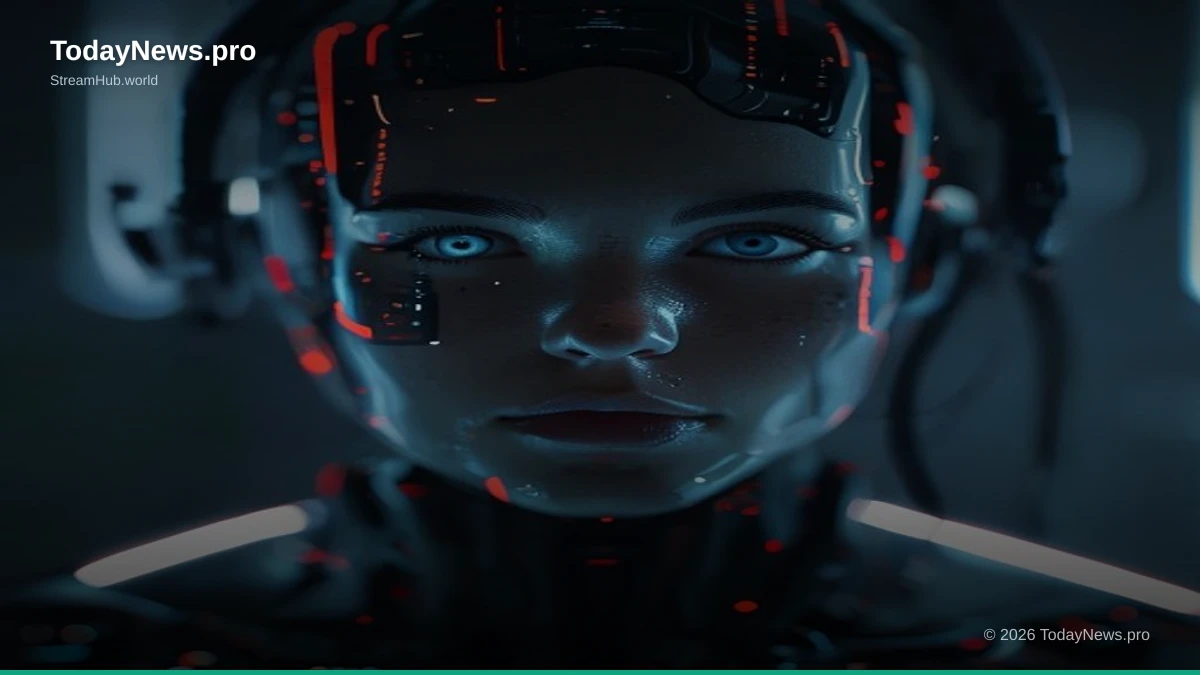
At its core, an AI avatar is a digital embodiment, often visually distinct, that is powered by artificial intelligence. Unlike traditional chatbots, which rely on predefined scripts and keyword recognition, AI avatars can engage in fluid, context-aware conversations. They can remember past interactions, infer user emotions, and even develop distinct personalities. This makes them more than just tools; they begin to feel like digital entities with whom users can form a connection. The visual aspect of AI avatars is also evolving rapidly. Advances in 3D modeling, animation, and rendering, coupled with AI-driven motion synthesis, allow for hyper-realistic or stylized digital characters that can mimic human expressions and body language with uncanny accuracy. This visual component is critical for creating a sense of presence and engagement, particularly in immersive environments like the metaverse or virtual reality.The Specter of the Uncanny Valley
While the pursuit of realistic AI avatars is a major goal, developers often grapple with the "uncanny valley" phenomenon. This is the point where a digital representation becomes so close to human-like that it elicits feelings of unease or revulsion rather than affinity. Overcoming this requires not just visual fidelity but also subtle, nuanced behavioral cues that are difficult for AI to perfectly replicate. Developers are investing heavily in research to bridge this gap, focusing on micro-expressions, realistic eye movements, and natural speech cadences.Beyond Chatbots: The Evolution of Virtual Companions
The journey of AI from simple question-answer machines to sophisticated virtual companions is a remarkable technological and societal progression. Early chatbots, like ELIZA in the 1960s, were rudimentary, designed to simulate a Rogerian psychotherapist through pattern matching. Today's AI, however, can engage in complex emotional dialogues, offer personalized advice, and even simulate a sense of companionship. This evolution is transforming how individuals cope with loneliness, seek support, and experience social interaction. These virtual companions are not just passive listeners; they are designed to be proactive. They can initiate conversations, remember significant dates, and offer reminders or encouragement. This proactive engagement is key to fostering a sense of relationship and dependency, which is a core aspect of companionship. The underlying AI models are trained on vast datasets of human conversation, literature, and even psychological studies to imbue them with empathy, understanding, and a capacity for emotional response.The Rise of Romantic and Platonic AI
The most talked-about aspect of virtual companions is their potential role in romantic relationships. Companies are developing AI partners that users can customize to their ideal partner, from personality traits to physical appearance. These AIs are designed to be attentive, supportive, and always available, fulfilling emotional needs that may be unmet in human relationships. Similarly, AI companions are emerging to provide platonic friendship, offering a non-judgmental ear and a consistent presence for those who may be socially isolated. The development of these companions raises significant questions about the nature of relationships and the definition of intimacy. Can a relationship with an AI truly be considered fulfilling? Critics argue that it might devalue human connection, while proponents suggest it can serve as a valuable supplement or a bridge for those who struggle with human interaction.AI in Mental Health and Well-being
Beyond companionship, AI-powered avatars are finding a critical role in mental health support. Many individuals, particularly younger generations, are increasingly open to seeking help from digital entities. AI therapists and mental wellness coaches can provide accessible, affordable, and stigma-free support. They can offer guided meditations, cognitive behavioral therapy exercises, and a safe space for users to express their feelings. The data gathered from these interactions can also be invaluable for researchers studying mental health trends. However, the ethical implications of handling sensitive mental health data are paramount, requiring robust security and privacy protocols.The Technology Under the Hood: AI, ML, and Deepfakes
The sophisticated capabilities of AI avatars and virtual companions are built upon a foundation of cutting-edge technologies, primarily Artificial Intelligence (AI), Machine Learning (ML), and increasingly, Generative AI, which includes techniques like deepfakes. Understanding these technologies is key to grasping the potential and the perils of this digital revolution. Machine Learning, a subset of AI, allows systems to learn from data without being explicitly programmed. For avatars, this means learning from vast amounts of text and speech data to improve their conversational abilities, recognizing patterns in user behavior to personalize interactions, and even generating realistic facial expressions and body movements based on contextual cues. Deep learning, a further specialization within ML, utilizes neural networks with multiple layers to process complex data, leading to more nuanced understanding and generation capabilities.Generative AI and Realistic Synthesis
Generative AI is the engine behind the increasingly lifelike nature of AI avatars. Techniques like Generative Adversarial Networks (GANs) are employed to create highly realistic images, videos, and audio. In the context of avatars, GANs can be used to generate photorealistic faces, synthesize natural-sounding voices that mimic human intonation, and even create fluid, natural-looking animations. Deepfakes, a prominent application of generative AI, involve overlaying one person's likeness onto another's body in a video. While often associated with malicious intent, the underlying technology is also being harnessed for positive applications, such as creating personalized avatars for virtual meetings or enabling historical figures to "speak" in educational content. However, the ease with which deepfakes can be created and disseminated poses significant challenges to authenticity and trust.Natural Language Processing (NLP) and Understanding
For an AI avatar to be a true companion or an effective communicator, it must excel at Natural Language Processing (NLP). This field of AI focuses on enabling computers to understand, interpret, and generate human language. Advanced NLP models, such as transformer architectures (e.g., GPT-3, GPT-4), are crucial for conversational AI. They allow avatars to comprehend the nuances of human speech, including sarcasm, idioms, and emotional undertones, and to respond in a way that is not only grammatically correct but also contextually appropriate and empathetic. The continuous refinement of NLP models means that AI avatars are becoming increasingly adept at holding prolonged, meaningful conversations, remembering user preferences, and even anticipating user needs. This makes them more engaging and valuable in a variety of applications.Data Requirements and Training
The development of sophisticated AI avatars is heavily reliant on massive datasets. Training ML models requires billions of data points, including text, audio, and visual information. The quality and diversity of this data are paramount to ensuring that the AI is unbiased, robust, and capable of interacting effectively with a wide range of users. Gathering and processing this data ethically, while respecting user privacy, is a significant undertaking for AI developers.| Technology | Role in AI Avatars | Key Applications |
|---|---|---|
| Machine Learning (ML) | Enables learning from data, pattern recognition, personalization. | Adaptive conversation, sentiment analysis, behavioral prediction. |
| Deep Learning | Advanced pattern recognition using neural networks. | Realistic facial animation, voice synthesis, complex language understanding. |
| Natural Language Processing (NLP) | Understanding and generating human language. | Conversational fluency, contextual awareness, empathetic responses. |
| Generative AI (e.g., GANs) | Creating realistic synthetic content. | Photorealistic avatar creation, voice cloning, video synthesis. |
Applications Across Industries: From Entertainment to Elder Care
The versatility of AI-powered avatars and virtual companions is leading to their integration into a wide array of sectors, promising to revolutionize how businesses operate and how individuals live their lives. From enhancing customer service to providing specialized care, the impact is far-reaching and continues to expand. In the realm of entertainment, AI avatars are transforming gaming and virtual worlds. They can act as non-player characters (NPCs) with more complex behaviors, dynamic storylines, and personalized interactions. This creates more immersive and engaging experiences for players. The metaverse, in particular, is a fertile ground for AI avatars, serving as digital representations of users and enabling new forms of social interaction and commerce.Customer Service and Brand Engagement
Businesses are increasingly deploying AI avatars as virtual customer service agents. These avatars can handle a high volume of inquiries 24/7, providing instant responses to frequently asked questions, guiding users through product information, and even assisting with basic troubleshooting. This not only improves efficiency but also frees up human agents to handle more complex and sensitive issues. Brands are also using AI avatars for marketing campaigns, creating engaging virtual influencers or brand ambassadors that can interact with consumers in a personalized manner. The ability of AI avatars to maintain a consistent brand voice and persona across multiple platforms is a significant advantage. They can be programmed with extensive knowledge bases about a company's products and services, ensuring accurate and timely information delivery.Education and Training Simulations
The educational sector is leveraging AI avatars to create more interactive and personalized learning experiences. Virtual tutors can provide one-on-one instruction, adapt to a student's learning pace, and offer feedback in real-time. AI avatars can also be used in training simulations for various professions, from medical students practicing surgical procedures to pilots honing their flying skills. These simulations offer a safe and controlled environment for learning complex tasks without the risks associated with real-world practice. The use of AI in education is particularly promising for remote learning, offering students a more engaging and interactive experience that can help bridge the gap created by physical distance.Healthcare and Elder Care Innovations
Perhaps one of the most impactful applications of AI avatars is in healthcare and elder care. Virtual companions can provide social interaction and emotional support for elderly individuals living alone, helping to combat loneliness and improve mental well-being. They can also act as health monitors, reminding patients to take their medication, tracking vital signs, and alerting caregivers to any potential issues. For individuals with disabilities, AI avatars can offer assistance with daily tasks, communication, and even provide companionship. The ability of these avatars to remember medical histories, dietary restrictions, and personal preferences makes them invaluable tools in personalized care plans.75%
of consumers are open to interacting with AI-powered customer service.
40%
increase in engagement reported by companies using virtual influencers.
60%
of older adults report feeling lonely regularly.
The Ethical Minefield: Privacy, Identity, and Misinformation
As AI avatars and virtual companions become more sophisticated and integrated into our lives, they bring with them a complex web of ethical considerations that demand careful scrutiny. The potential for misuse, the implications for personal identity, and the challenges of maintaining trust are critical issues that society must confront. One of the most significant concerns revolves around data privacy. These AI systems often collect vast amounts of personal data, including conversations, preferences, and even biometric information. Ensuring the secure storage and ethical use of this data is paramount. Breaches could lead to identity theft, targeted manipulation, or the exploitation of sensitive personal information. Regulations like GDPR and CCPA are steps in the right direction, but the rapid evolution of AI technology often outpaces legal frameworks.The Blurring Lines of Identity and Authenticity
The ability of AI to generate hyper-realistic avatars and to mimic human behavior raises profound questions about identity. When an AI can perfectly replicate a deceased loved one, or when individuals spend significant time interacting with AI companions, what does this mean for their sense of self and their understanding of authentic relationships? There's also the risk of impersonation, where malicious actors can create convincing AI clones of individuals for fraudulent purposes. The concept of digital identity is also evolving. As more of our lives are lived online through avatars, the distinction between our physical and digital selves becomes increasingly blurred. This can lead to psychological effects, such as disinhibition or a detachment from real-world consequences."The power of AI to create digital twins or highly personalized avatars means we must grapple with who truly owns our digital likeness and how it can be used. Transparency and user control are no longer optional; they are fundamental requirements for ethical AI development."
— Dr. Anya Sharma, AI Ethicist and Researcher
The Weaponization of AI: Deepfakes and Disinformation
The generative capabilities of AI, particularly deepfake technology, pose a significant threat in the spread of misinformation and disinformation. Convincing fake videos and audio recordings can be used to manipulate public opinion, damage reputations, and sow discord. Imagine a deepfake of a political leader making inflammatory statements, or a fabricated audio recording of a CEO admitting to fraudulent activities. The speed at which such content can spread online makes it incredibly difficult to debunk, leading to widespread confusion and distrust. Combating this requires a multi-pronged approach, including advanced detection technologies, media literacy education, and platform accountability. However, the arms race between AI generation and AI detection is ongoing.Algorithmic Bias and Discrimination
AI models are trained on data, and if that data contains societal biases, the AI will inherit and perpetuate those biases. This can lead to discriminatory outcomes in areas like hiring, loan applications, or even in the way AI companions interact with users from different demographics. For instance, an AI trained on a dataset that underrepresents certain ethnic groups might perform poorly or exhibit biased behavior when interacting with individuals from those groups. Addressing algorithmic bias requires careful data curation, rigorous testing, and continuous monitoring and refinement of AI models. AI Ethics on WikipediaThe Future Landscape: Hyper-Personalization and Digital Immortality
The trajectory of AI-powered avatars and virtual companions points towards a future characterized by unprecedented levels of personalization and even the concept of digital immortality. As AI capabilities advance, the boundary between our digital and physical realities will continue to shift, offering both exciting possibilities and profound existential questions. One of the most significant future trends is hyper-personalization. AI avatars will become even more attuned to individual users, learning not just preferences but also subtle emotional states, cognitive styles, and even physiological responses. This will lead to truly bespoke experiences, where avatars can anticipate needs, offer tailored advice, and adapt their communication and behavior in real-time to optimize user engagement and well-being. Imagine an AI that understands your fatigue levels and adjusts its conversation accordingly, or one that knows your learning style and presents information in the most effective format for you.The Emergence of the Digital Twin
The concept of a "digital twin" – a virtual replica of an individual – is gaining traction. This goes beyond a customizable avatar to a dynamic, AI-driven representation that learns and evolves alongside the individual. Such digital twins could be used for a variety of purposes, from predictive health modeling to preserving one's legacy. They could potentially continue to interact and provide insights even after an individual's passing, offering a form of digital immortality. This raises significant philosophical and ethical debates about consciousness, identity, and the nature of existence. Will a digital twin truly represent the essence of a person, or will it be a sophisticated simulation? The implications for grief, memory, and our understanding of life and death are immense.AI as an Extension of Human Cognition
In the future, AI companions and avatars may become an integral extension of our own cognition. They could act as sophisticated personal assistants that not only manage our schedules but also help us process information, learn new skills, and even enhance our creativity. Imagine an AI that can co-author a book with you, brainstorm ideas, or even help you understand complex scientific concepts by providing personalized explanations and interactive visualizations. This symbiotic relationship between humans and AI could lead to a significant acceleration in human potential and innovation. However, it also raises concerns about over-reliance and the potential for AI to diminish our own cognitive abilities if not managed thoughtfully.Navigating the New Frontier: User Experiences and Societal Impact
As AI-powered avatars and virtual companions become more prevalent, understanding the user experience and the broader societal impact is crucial for responsible development and adoption. The way individuals interact with these technologies, and the effect these interactions have on our social fabric, are shaping a new digital landscape. User experience design for AI avatars is a rapidly evolving field. It's not just about creating a visually appealing character; it's about designing an intelligent entity that is intuitive, engaging, and trustworthy. This involves careful consideration of conversational flow, emotional expression, and the ability of the avatar to convey empathy and understanding. For companion AIs, the goal is to foster a sense of genuine connection, while for functional avatars, efficiency and clarity are paramount.The Psychology of Human-AI Interaction
The psychological impact of interacting with AI companions is a subject of ongoing research. Some studies suggest that these interactions can lead to increased feelings of loneliness if they replace human connection, while others indicate that they can provide valuable emotional support, particularly for individuals who are socially isolated or struggling with mental health issues. The development of anthropomorphic AI, which mimics human characteristics, can evoke strong emotional responses, leading users to form attachments that mirror human relationships. The novelty of interacting with an AI that "understands" you can be incredibly appealing. However, it's vital for users to maintain a clear distinction between artificial and genuine human connection to avoid potential psychological pitfalls."The key challenge is not just building smarter AI, but building AI that complements and enhances human interaction, rather than replacing it. We need to ensure that these technologies foster genuine connection and well-being, not isolation or dependence."
— Professor Kenji Tanaka, Human-Computer Interaction Specialist
Societal Shifts and Future Implications
The widespread adoption of AI avatars and companions could lead to significant societal shifts. We might see a further evolution of social norms around relationships, communication, and even work. The metaverse, powered by AI avatars, could become a significant new space for social interaction, commerce, and culture. The potential for AI to augment human capabilities could lead to new forms of creativity and problem-solving. However, it also raises concerns about the digital divide, as access to advanced AI technologies may not be equitable. The potential for job displacement as AI takes over certain roles, and the impact on human social skills, are also important considerations. As we move forward, a balanced approach that prioritizes human well-being, ethical development, and equitable access will be essential for navigating this transformative era. Reuters: AI Avatars Take StageWhat is an AI-powered avatar?
An AI-powered avatar is a digital representation of a user or an entity that is controlled and animated by artificial intelligence. Unlike static avatars, these can understand and respond to user input, engage in conversations, and exhibit dynamic behaviors, often mimicking human expressions and interactions.
Are AI companions safe?
The safety of AI companions is a complex issue. While they can offer emotional support and reduce loneliness for some, there are concerns about potential psychological dependence, privacy risks due to data collection, and the ethical implications of forming deep emotional attachments with non-sentient entities. Responsible design and user awareness are key.
Can AI avatars replace human interaction?
AI avatars can supplement and assist human interaction in various ways, such as in customer service or education. However, they are not designed to fully replace the depth, nuance, and complexity of genuine human relationships. Experts generally agree that a balance is needed, leveraging AI's strengths without diminishing the importance of human connection.
What are the biggest ethical concerns with AI avatars?
Major ethical concerns include data privacy and security, the potential for misuse of deepfake technology for misinformation or impersonation, algorithmic bias leading to discrimination, the blurring of lines between digital and real identity, and the psychological impact of forming relationships with AI.