

 Amanda Pope
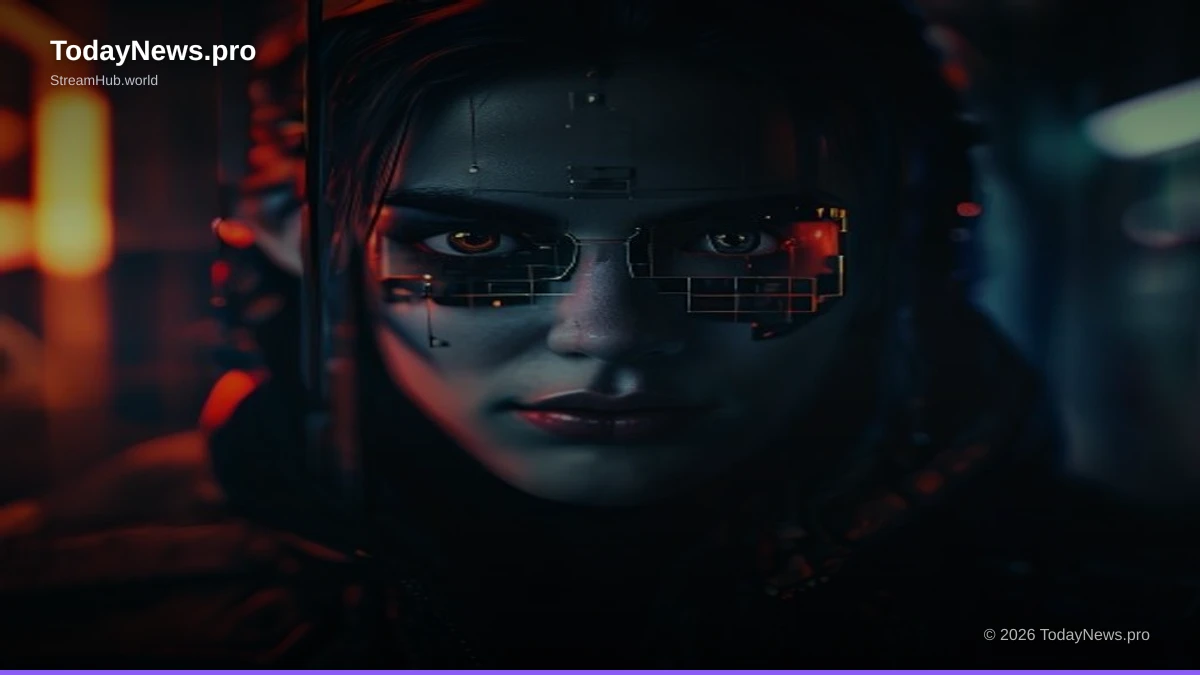
By 2026, an estimated 90% of online content may be synthetically generated, according to projections from industry analysts, posing an unprecedented challenge to discerning truth from fabrication.
Deepfakes and the Truth Crisis: Navigating Synthetic Media in 2026 and Beyond
The year is 2026. The digital landscape, once a realm where visual and auditory evidence held significant weight, is now a minefield of sophisticated synthetic media. Deepfakes, once a niche concern, have permeated every stratum of online communication, from the grand stages of global politics to the intimate whispers of personal relationships. This pervasive presence has birthed a profound truth crisis, where the very fabric of shared reality is under constant threat of manipulation. As we move further into this era of advanced artificial intelligence, understanding and navigating the complex world of synthetic media is no longer a technical challenge; it is a societal imperative.
The rapid advancement of generative AI has democratized the creation of highly realistic fake content. What once required specialized skills and significant computational power can now be achieved with readily available software and cloud-based services. This accessibility has led to an exponential increase in the volume and sophistication of deepfakes, making them a powerful tool for misinformation, disinformation, and personal attacks. The implications are far-reaching, impacting everything from democratic processes and corporate reputation to individual privacy and mental well-being. This article delves into the current state of synthetic media, its profound impact on trust, the ongoing technological battle, and the strategies necessary to foster resilience in the face of this escalating truth crisis.
The Evolving Landscape of Synthetic Media
The term "deepfake" initially conjured images of celebrity face-swaps or rudimentary audio manipulations. However, by 2026, the technology has matured to a point where distinguishing between real and synthetic media requires expert tools and often, extensive forensic analysis. Generative Adversarial Networks (GANs) and increasingly, diffusion models, have become extraordinarily adept at generating photorealistic images, lifelike video, and eerily convincing audio that can mimic any voice with remarkable accuracy.
The evolution is not just in fidelity but also in scope. Beyond simple visual or auditory replication, synthetic media now encompasses complex scene generation, the creation of entirely fictional individuals with believable backstories, and dynamic manipulation of existing content to alter context and intent. This means a video could not only feature a person saying something they never said but could also place them in a fabricated environment or subtly alter their expressions to convey emotions they did not experience.
From Novelty to Ubiquity
Early deepfakes were often detectable due to artifacts like flickering eyes, unnatural blinking patterns, or inconsistencies in lighting and shadows. However, these telltale signs are rapidly disappearing. Advanced algorithms can now generate content with seamless transitions, subtle facial micro-expressions, and synchronized lip movements that are virtually indistinguishable from genuine footage to the untrained eye. The accessibility of user-friendly platforms has further accelerated their spread, transforming deepfakes from a technological novelty into a ubiquitous digital phenomenon.
Beyond Visuals: The Rise of Synthetic Audio and Text
While visual deepfakes often capture headlines, synthetic audio and text generation pose equally significant threats. AI-powered voice cloning can create highly convincing audio recordings, enabling phishing scams, impersonation, and the spread of fabricated speeches. Similarly, advanced language models can generate coherent, contextually relevant text that can be used to create fake news articles, social media posts, and even entire propaganda campaigns. The convergence of these technologies creates a potent cocktail for deception.
The Democratization of Creation Tools
The barrier to entry for creating sophisticated synthetic media has plummeted. Open-source AI models and user-friendly applications have put powerful deepfake generation tools into the hands of individuals with minimal technical expertise. This democratization, while fostering creativity in some domains, has also amplified the potential for misuse, making it harder to trace the origins of malicious synthetic content and increasing the sheer volume of fakes that need to be identified and debunked.
Impact on Trust and Information Integrity
The pervasive presence of convincing synthetic media has fundamentally eroded public trust in digital information. When any image, video, or audio recording could be a sophisticated fabrication, the default assumption shifts from believing what is seen and heard to questioning it. This erosion of trust has profound implications for journalism, legal proceedings, political discourse, and interpersonal relationships. The very foundation of a shared understanding of reality is being challenged.
The consequences of this truth crisis are multifaceted. In the realm of news and media, the ability to create false evidence can undermine legitimate reporting, sow doubt about genuine events, and amplify propaganda. In politics, deepfakes can be used to discredit opponents, incite unrest, or manipulate public opinion during elections. On a personal level, they can be weaponized for blackmail, harassment, and reputation damage, creating immense psychological distress for victims.
The Liars Dividend Effect
A significant consequence of widespread deepfake technology is the phenomenon known as the "liar's dividend." This refers to the ability of individuals caught in genuine wrongdoing to dismiss authentic evidence of their actions as a deepfake. When the public is constantly bombarded with fabricated content, the very notion of verifiable truth becomes suspect, allowing bad actors to escape accountability by simply claiming that incriminating evidence has been synthetically generated. This undermines the pursuit of justice and accountability.
Erosion of Journalistic Authority
The core mission of journalism is to report verified facts. However, the proliferation of deepfakes presents an existential threat to this endeavor. News organizations face the daunting task of not only verifying their own content but also debunking an ever-increasing volume of synthetic misinformation. The speed at which deepfakes can spread on social media often outpaces the ability of traditional media to respond, leading to a situation where false narratives can become entrenched before corrections can gain traction. This erodes public trust in established news sources.
Impact on Legal and Evidentiary Standards
The legal system, which relies heavily on documentary and visual evidence, is grappling with the implications of deepfakes. Authenticating digital evidence is becoming a more complex and resource-intensive process. The potential for fabricated evidence to be introduced in court could lead to wrongful convictions or acquittals. Lawyers and judges must now be acutely aware of the possibility of sophisticated manipulation, requiring new protocols and technologies for forensic verification of digital evidence.
| Demographic | Percentage Reporting Reduced Trust |
|---|---|
| Gen Z (18-24) | 85% |
| Millennials (25-40) | 78% |
| Gen X (41-56) | 65% |
| Baby Boomers (57-75) | 52% |
| Overall Average | 70% |
Technological Arms Race: Detection and Generation
The battle against malicious deepfakes has evolved into a dynamic technological arms race. As AI models become more sophisticated at generating synthetic content, equally advanced algorithms are being developed to detect it. This constant push and pull between creation and detection technologies defines the current technological frontier in the fight for digital truth.
Detection methods often rely on analyzing subtle inconsistencies that even the most advanced generative models may inadvertently introduce. These can include analyzing pixel-level anomalies, inconsistencies in light or shadow, unnatural physiological responses (like breathing or blinking patterns), or digital watermarks embedded by content creators. However, generative AI is rapidly learning to overcome these detection methods, creating a continuous cycle of innovation.
AI-Powered Detection Technologies
Researchers and tech companies are investing heavily in AI-powered deepfake detection tools. These systems are trained on vast datasets of both real and synthetic media, learning to identify patterns and artifacts that distinguish them. Some methods focus on forensic analysis of digital media, looking for minute imperfections in the rendering of pixels, skin textures, or eye movements. Others analyze temporal inconsistencies within a video or audio stream. The challenge lies in creating detectors that are robust enough to identify new and evolving deepfake techniques.
The Limitations of Current Detection
Despite advancements, current deepfake detection technologies are not infallible. Sophisticated deepfakes can sometimes evade detection, especially if they are not created with the intent to be detected. Furthermore, the speed and scale of online content dissemination mean that even a small percentage of undetectable deepfakes can cause significant damage before they are identified. The cost and computational power required for advanced detection can also be a barrier to widespread implementation.
Digital Watermarking and Provenance Tracking
Beyond direct detection, efforts are underway to establish systems of content provenance. This involves embedding digital watermarks, metadata, or cryptographic signatures into original media at the point of creation. Technologies like blockchain are being explored to create immutable records of content origin and modification history, providing a verifiable chain of custody. While promising, widespread adoption and standardization of such systems remain significant challenges.
Societal and Political Ramifications
The implications of widespread deepfakes extend far beyond the digital realm, deeply impacting the foundations of our societies and political systems. The ability to convincingly fabricate events and statements weaponizes information in unprecedented ways, threatening democratic processes, national security, and social cohesion.
In the political arena, deepfakes can be used to spread disinformation campaigns designed to sway elections, defame candidates, or incite civil unrest. Imagine a fabricated video of a political leader declaring war or making inflammatory statements just days before an election. The speed at which such content can spread on social media leaves little time for rebuttal, potentially altering the course of democratic outcomes. This manipulation erodes informed consent and undermines the very principles of free and fair elections.
Election Interference and Political Destabilization
The threat of deepfakes to electoral integrity is perhaps the most immediate and alarming concern. Malicious actors, both foreign and domestic, can leverage synthetic media to create false narratives about candidates, spread fabricated scandals, or even simulate voting irregularities. The goal is often to sow distrust in the electoral process itself, thereby undermining democratic legitimacy. The psychological impact of a compellingly fake video or audio clip, even if later debunked, can be lasting, influencing public perception and voting behavior.
National Security and Geopolitical Tensions
On a global scale, deepfakes pose a significant threat to national security and international relations. Fabricated videos of military actions, statements by world leaders, or false reports of diplomatic incidents could escalate geopolitical tensions, trigger conflicts, or undermine international alliances. The potential for a "flash war" initiated by a convincing piece of synthetic media is a scenario that security agencies are increasingly concerned about. Verifying the authenticity of information during a crisis becomes paramount and incredibly challenging.
Erosion of Public Discourse and Social Cohesion
Beyond formal political structures, deepfakes can poison the well of public discourse. The constant barrage of potentially fake content can lead to widespread cynicism and disengagement, as individuals become weary of trying to discern truth from falsehood. This can exacerbate societal divisions, as people retreat into echo chambers where their existing beliefs are reinforced, making constructive dialogue and consensus-building increasingly difficult. The ability to impersonate individuals and spread harmful rumors also threatens social cohesion and can lead to real-world harm.
Strategies for Resilience and Mitigation
Combating the truth crisis engendered by deepfakes requires a multi-pronged approach involving technological solutions, legislative action, media literacy education, and a fundamental shift in how we consume and interact with digital information. No single solution will be sufficient; instead, a layered defense is necessary.
Technological advancements in deepfake detection are crucial, but they must be coupled with proactive measures. Platforms that host user-generated content have a significant role to play in developing and implementing robust content moderation policies. This includes leveraging AI detection tools, establishing clear reporting mechanisms, and transparently labeling potentially synthetic content. However, the sheer volume of content and the rapid evolution of generation techniques make this an ongoing challenge.
Enhancing Media Literacy and Critical Thinking
Perhaps the most sustainable long-term strategy is empowering individuals with the skills to critically evaluate digital information. Comprehensive media literacy education, integrated into school curricula from an early age and made accessible to adults through public campaigns, is vital. This education should focus on understanding how synthetic media is created, common manipulation techniques, and developing habits of skepticism and verification. Teaching individuals to look for corroborating sources, question sensational claims, and understand the motivations behind content creation are essential skills for navigating the modern information landscape.
Wikipedia's article on Media Literacy provides a foundational understanding of these critical skills.
Legislative and Regulatory Frameworks
Governments worldwide are beginning to grapple with the legal implications of deepfakes. Legislation is being introduced to criminalize the malicious creation and dissemination of deepfakes, particularly those intended to defame, harass, or interfere with democratic processes. However, crafting effective laws that balance the need for protection with freedom of speech is a complex undertaking. Regulatory bodies may also play a role in setting standards for AI development and platform accountability. The challenge is to create frameworks that are adaptable to rapidly evolving technology.
Platform Responsibility and Industry Collaboration
Major technology platforms, as the primary conduits for information dissemination, bear a significant responsibility. They must invest in and deploy advanced detection tools, collaborate with researchers and fact-checking organizations, and implement clear and consistent policies regarding synthetic media. Transparency in content moderation and labeling practices is crucial. Industry-wide collaboration, sharing best practices and developing common standards for identifying and flagging synthetic content, can create a more unified front against misinformation.
The Future: Coexisting with Synthetic Realities
The trajectory of AI development suggests that deepfake technology will continue to advance, becoming even more sophisticated and ubiquitous. Rather than eradicating synthetic media entirely, the future likely involves learning to coexist with it, developing robust mechanisms to manage its presence and mitigate its harms. This requires a paradigm shift in our understanding of digital authenticity.
The challenge ahead is to build a digital ecosystem where trust can be maintained, even in the presence of pervasive synthetic content. This means fostering a culture of informed skepticism, supported by reliable verification tools and transparent information practices. The goal is not to deny the existence of synthetic media but to equip society with the means to identify and critically assess it, ensuring that truth and accountability remain paramount.
Redefining Authenticity in the Digital Age
As synthetic media becomes indistinguishable from reality, our very definition of "authentic" content may need to evolve. Instead of solely relying on the appearance of truth, authenticity might increasingly be tied to verifiable provenance, source credibility, and transparent labeling. We may see a greater emphasis on "trusted sources" and a move towards authenticated content ecosystems where creators can vouch for the integrity of their work.
The Role of AI in Building Trust
Ironically, AI itself will likely play a crucial role in building trust in the age of synthetic media. Advanced AI systems will be essential for detecting subtle manipulations, verifying content authenticity, and flagging potentially misleading information. The ongoing development of AI-powered tools for provenance tracking and content verification will be key to navigating the complex digital landscape of the future. The future of trust may depend on our ability to leverage AI responsibly to counter its own potential for misuse.
Navigating the truth crisis of the 2020s and beyond requires a collective effort. By fostering media literacy, demanding accountability from technology platforms, supporting robust legislative action, and continually advancing detection technologies, we can strive to build a future where synthetic media can be understood and managed, preserving the integrity of information and the foundations of our democratic societies. The journey will be challenging, but the pursuit of truth remains an essential endeavor.
Reuters reports on the ongoing battle in deepfake detection.