

 Kenji Sato
⏱ 18 min
The global market for AI in media and entertainment is projected to reach $109.5 billion by 2030, a staggering testament to the technology's rapid integration into creative industries.
The Dawn of the AI-Powered Screen
Artificial intelligence is no longer a futuristic concept confined to science fiction; it is an active participant in the creation of cinematic experiences. From scriptwriting assistance to the generation of entirely new visual assets, AI is fundamentally reshaping the landscape of filmmaking. This transformation promises unprecedented levels of creativity, efficiency, and personalization, but it also ushers in a complex array of ethical considerations and challenges to the very definition of authenticity on screen. The industry stands at a precipice, where innovation and introspection must go hand-in-hand.AI as a Creative Collaborator
AI tools are increasingly being employed to augment human creativity. Large language models can generate plot outlines, character backstories, and even entire dialogue sequences, offering filmmakers a fertile ground for inspiration or a rapid prototyping tool. These systems learn from vast datasets of existing narratives, identifying patterns and structures that can be recombined in novel ways. While the fear of AI replacing human writers is palpable, many see these tools as powerful assistants, capable of overcoming creative blocks and accelerating the ideation process. The nuanced interplay between human artistic intent and AI's generative capabilities is at the heart of this evolving dynamic.Personalized Viewing Experiences
Beyond content creation, AI is also poised to personalize the viewing experience itself. Imagine films that dynamically adjust their pacing, tone, or even plot points based on individual viewer preferences, detected through biometric feedback or past viewing habits. This level of customization, while exciting from a marketing and engagement perspective, raises profound questions about artistic intent and the filmmaker's singular vision. Will audiences ultimately receive a curated version of a film, tailored to their individual biases, rather than a unified artistic statement? The implications for shared cultural experiences are significant.Deepfakes: A Double-Edged Sword
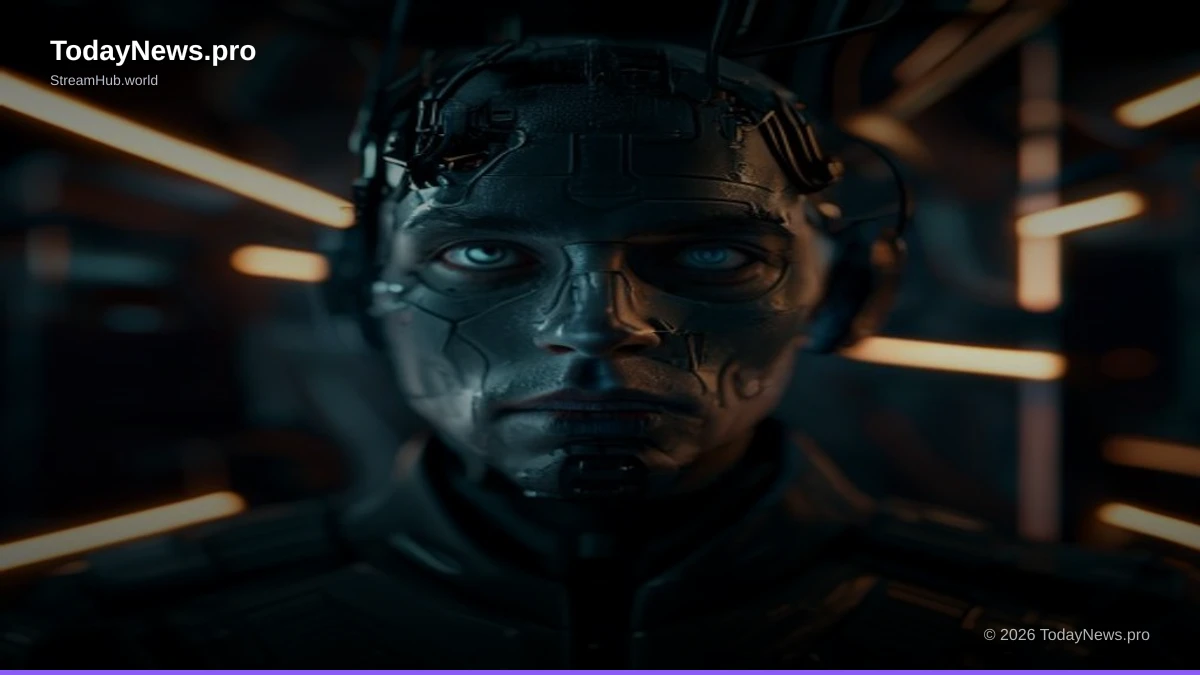
The term "deepfake" has become synonymous with sophisticated AI-generated media, often used to superimpose one person's likeness onto another's body in video or audio. While initially associated with malicious intent and disinformation campaigns, deepfake technology holds immense potential for cinematic innovation when wielded responsibly.Reviving the Past, Reshaping the Present
One of the most compelling applications of deepfake technology in filmmaking is the ability to de-age actors, digitally resurrect deceased performers, or even create entirely synthetic characters that possess the uncanny realism of real individuals. This opens up narrative possibilities previously unimaginable, allowing for historical dramas featuring accurate likenesses of long-gone figures or sequels where actors can appear as their younger selves without extensive prosthetics or CGI. The ethical considerations, however, are profound. The use of a deceased actor's likeness, even for artistic purposes, requires careful navigation of legacy rights, family consent, and the potential for misrepresentation.The Erosion of Trust and the Rise of Skepticism
The proliferation of easily accessible deepfake tools, coupled with their potential for misuse in creating convincing fake news or impersonations, poses a significant threat to public trust. In the realm of filmmaking, this raises concerns about the authenticity of on-screen performances. If audiences become accustomed to the idea that any actor's performance could be digitally manipulated, it could erode the perceived value of genuine acting and the emotional connection viewers form with characters. The line between reality and simulation blurs, demanding new forms of media literacy from audiences and robust verification methods from platforms.| Demographic | Awareness of Deepfakes (%) | Concern about Misuse (%) |
|---|---|---|
| General Population | 78 | 65 |
| Under 30 | 85 | 70 |
| Over 60 | 60 | 58 |
| Film Industry Professionals | 92 | 80 |
Revolutionizing Pre-Production and Production
The early stages of filmmaking, often characterized by extensive planning and resource allocation, are prime candidates for AI-driven optimization. From script analysis to virtual set design, AI promises to streamline processes and unlock new creative avenues.Script Analysis and Development
AI algorithms can analyze screenplays for narrative coherence, character arcs, pacing issues, and even potential audience reception. Tools can identify clichés, suggest alternative plot developments, or even forecast box office performance based on script elements. This data-driven approach can help filmmakers refine their stories before significant resources are committed, potentially reducing costly reshoots and ensuring a more compelling narrative from the outset.Virtual Production and Digital Assets
AI is a cornerstone of modern virtual production techniques. It aids in the creation of photorealistic digital environments, characters, and props, reducing the need for physical sets and extensive location scouting. AI-powered motion capture technology can translate actor movements into digital avatars with greater fidelity, and generative AI can create vast libraries of digital assets, from background crowds to intricate costumes, saving both time and budget.AI Impact on Pre-Production Efficiency (Estimated Time Savings)
The Specter of Post-Production
Post-production, the phase where raw footage is sculpted into a final film, is perhaps where AI's transformative power is most acutely felt. From visual effects to sound design, AI is automating and enhancing tasks that were once labor-intensive and time-consuming.Automated Visual Effects and Editing
AI can now perform complex VFX tasks like rotoscoping, object removal, and even generating realistic environmental effects with remarkable speed. In editing, AI can suggest cuts, synchronize audio and video, and even assemble rough cuts based on scene descriptions or emotional arcs. This frees up human editors to focus on the more creative and nuanced aspects of storytelling, but it also raises questions about the future of specialized VFX and editing roles.AI-Powered Sound Design and Music Composition
The auditory experience of a film is crucial, and AI is making significant inroads here. Algorithms can generate realistic sound effects, clean up noisy audio recordings, and even compose original musical scores tailored to the mood and pacing of a scene. This could democratize access to high-quality sound design and original scores, but it also challenges the traditional roles of sound engineers and composers. The debate over AI-generated music's emotional resonance and artistic merit is ongoing.70%
Reduction in rotoscoping time
50%
Faster audio cleanup
30%
Potential for AI-assisted editing
Authenticity in the Age of Artifice
As AI blurs the lines between what is real and what is digitally created, the concept of authenticity on screen becomes increasingly complex. Audiences have historically relied on the perceived reality of a performance or visual to connect with a film.The Nature of Performance
When an actor's performance can be digitally altered, de-aged, or even entirely synthesized, what does it mean to "act"? Will the value shift from raw emotional delivery to the precision of digital puppeteering? The ethical implications of using AI to alter an actor's performance without their explicit consent, or to create performances from individuals who are not alive, are significant. The industry must grapple with establishing clear guidelines and ensuring transparency.Audience Perception and Trust
The increasing sophistication of AI-generated content necessitates a greater degree of media literacy from audiences. As deepfakes and other AI manipulations become more commonplace, viewers may develop a healthy skepticism towards all visual media, potentially leading to a disconnect between the intended emotional impact of a film and the audience's reception. Transparency about the use of AI in filmmaking will be paramount in maintaining audience trust. A clear indicator, perhaps a digital watermark or a disclaimer, could help audiences differentiate between genuine and AI-assisted content.
"The danger isn't just that we can create fake realities, but that we become so accustomed to them that we lose our appreciation for genuine human expression. Filmmaking has always been about capturing moments of truth, even within fiction. AI could inadvertently dilute that."
— Dr. Anya Sharma, Media Ethicist, University of Cambridge
Ethical Minefields and Regulatory Quagmires
The rapid advancement of AI in filmmaking presents a daunting set of ethical challenges that the industry is only beginning to address. These issues range from intellectual property rights to the potential for misuse and the impact on human labor.Intellectual Property and Copyright
When an AI generates a script, a piece of music, or a visual asset, who owns the copyright? Is it the programmer, the user, or the AI itself? Current copyright laws are ill-equipped to handle AI-generated content, leading to potential disputes and legal ambiguities. Furthermore, the use of AI trained on copyrighted material without explicit permission raises concerns about fair use and infringement. The legal frameworks surrounding AI creation are in their infancy, and significant legislative action will be required.Job Displacement and the Future of Creative Professions
The automation capabilities of AI tools inevitably raise concerns about job displacement within the film industry. Roles such as junior editors, visual effects artists, and even certain types of writers could see their tasks significantly reduced or altered by AI. While AI may create new roles, such as AI prompt engineers or AI ethicists in filmmaking, the transition could be disruptive for many. The industry needs to proactively consider reskilling and upskilling initiatives to support its workforce.The Specter of Misinformation and Malicious Use
The ability to create highly realistic synthetic media poses a significant risk of misuse for misinformation, propaganda, and malicious impersonation. While this article focuses on the creative applications within filmmaking, the underlying technology is accessible, and its potential for harm cannot be ignored. Robust detection mechanisms and clear ethical guidelines for AI development and deployment are crucial to mitigating these risks.
"We are entering an era where 'seeing is believing' is no longer a reliable axiom. The responsibility falls not just on creators to be transparent, but on platforms and governments to establish guardrails against the weaponization of AI-generated media."
— Ben Carter, Senior Technology Reporter, Reuters
The Evolving Role of the Filmmaker
In this new paradigm, the role of the filmmaker is not diminished but rather transformed. The emphasis shifts from manual execution to strategic direction, creative curation, and ethical stewardship.From Creator to Curator and Conductor
Filmmakers will increasingly become curators of AI-generated content and conductors of complex AI-human collaborative workflows. Their artistic vision will guide the AI tools, shaping the outputs to serve the narrative and emotional goals of the film. The ability to effectively prompt, guide, and integrate AI-generated elements into a cohesive whole will become a critical skill. The filmmaker's role as the ultimate storyteller remains, but the tools at their disposal are evolving dramatically.Navigating the Ethical Landscape
A filmmaker's responsibility extends beyond the creative realm. They must become astute navigators of the ethical minefields presented by AI. This includes ensuring transparency with audiences about the use of AI, respecting intellectual property rights, and considering the societal impact of their creations. The ethical compass of the filmmaker will be as important as their artistic talent in this new age.The Future of Cinematic Storytelling
The future of filmmaking promises a hybrid approach, where human creativity and AI capabilities converge to unlock new forms of storytelling. We can anticipate films with unprecedented visual complexity, deeply personalized narratives, and perhaps even interactive elements that adapt to the viewer in real-time. The challenge lies in harnessing these powerful tools responsibly, ensuring that technology serves art, rather than the other way around, and that authenticity, even in its new digital guise, remains a cherished value. The ongoing dialogue between technologists, artists, policymakers, and the public will shape the ethical and creative boundaries of this exciting new frontier.Will AI replace human actors entirely?
It's highly unlikely that AI will entirely replace human actors. While AI can generate realistic digital performances, the nuanced emotional depth, improvisation, and on-set chemistry that human actors bring are currently irreplaceable. AI is more likely to be used as a tool to enhance or augment human performances, such as de-aging actors or creating digital doubles for specific scenes.
How can we distinguish between real and AI-generated footage?
Distinguishing between real and AI-generated footage is becoming increasingly difficult. However, researchers are developing sophisticated AI-powered detection tools that can analyze subtle inconsistencies and artifacts in generated media. Transparency from filmmakers, such as clear disclaimers or digital watermarks, will also play a crucial role in informing audiences.
Who owns the copyright for AI-generated movie scripts or music?
This is a complex and evolving legal question. Current copyright laws are not well-equipped to handle AI-generated content. In many jurisdictions, works must have human authorship to be copyrightable. Legal interpretations are still being formed, but it's likely that ownership will depend on factors like the degree of human input and control over the AI's creative process.
What are the biggest ethical concerns regarding deepfakes in filmmaking?
The biggest ethical concerns include the potential for misrepresentation of actors (especially deceased ones), the erosion of trust in on-screen authenticity, the unauthorized use of likenesses, and the broader societal implications of creating convincing synthetic media that can be used for disinformation campaigns.