

 Roger Evans
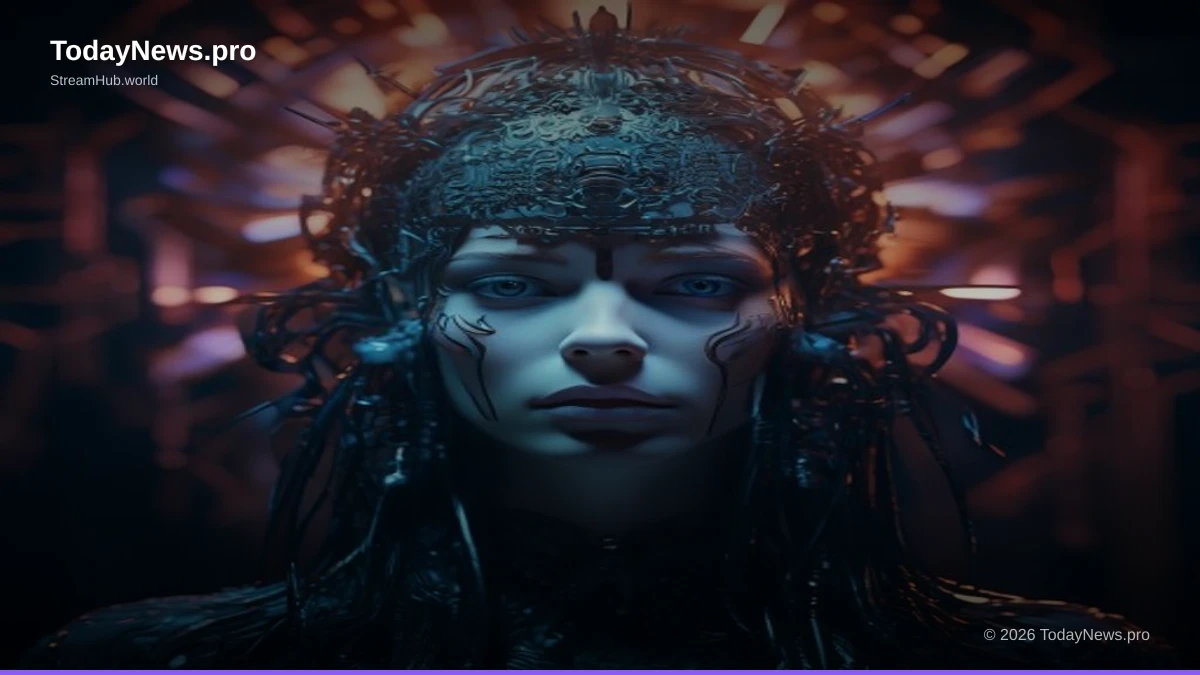
The Digital Renaissance: AIs New Role in Filmmaking
Artificial intelligence is no longer a futuristic concept confined to science fiction; it is actively reshaping the landscape of modern filmmaking and storytelling. From accelerating pre-production tasks to revolutionizing post-production workflows, AI is becoming an indispensable tool in the storyteller's arsenal. The ability of AI to analyze vast datasets of scripts, audience preferences, and market trends allows for more data-driven decision-making, potentially leading to more commercially successful and resonant narratives. This technological infusion promises to democratize filmmaking, offering powerful tools to independent creators while simultaneously presenting unprecedented challenges to established industry norms.Accelerating Pre-Production with AI
AI's utility begins long before the cameras roll. Script analysis tools can now identify plot holes, predict audience engagement with specific narrative arcs, and even suggest dialogue improvements. This data-driven approach can significantly reduce the time and cost associated with script development, ensuring a more robust foundation for the film.
Furthermore, AI algorithms can assist in casting by analyzing actor performance data and matching them to character archetypes, potentially leading to more compelling on-screen chemistry. Location scouting can also be optimized, with AI identifying suitable filming sites based on logistical, aesthetic, and budgetary constraints.
Streamlining Production and Post-Production
During production, AI-powered scheduling software can dynamically adjust call sheets based on real-time factors like weather or actor availability, minimizing delays and maximizing efficiency. In post-production, AI is a game-changer. Automated editing, color correction, and sound mixing are becoming increasingly sophisticated, reducing the manual labor involved in these time-consuming processes.
The integration of AI in visual effects (VFX) is particularly transformative. AI can generate realistic environments, animate complex characters, and even de-age or re-age actors with startling accuracy, opening up new creative possibilities that were once prohibitively expensive or technically impossible.
Deepfakes: The Double-Edged Sword of Digital Likeness
The term "deepfake" conjures images of synthesized videos where individuals appear to say or do things they never did. Powered by deep learning algorithms, these creations are becoming indistinguishable from reality to the untrained eye. While the technology has potential applications in entertainment, such as digitally recreating deceased actors for cameos or allowing actors to perform in multiple languages seamlessly, its ethical implications are profound and deeply concerning.The Power of Digital Replicas
Deepfake technology leverages Generative Adversarial Networks (GANs) to create hyper-realistic synthetic media. These networks involve two neural networks: a generator that creates synthetic data and a discriminator that attempts to distinguish between real and synthetic data. Through this adversarial process, the generator becomes increasingly adept at producing convincing fakes.
In filmmaking, this could mean bringing back legendary actors like Marilyn Monroe or Humphrey Bogart for new roles, or allowing a single actor to convincingly play multiple characters without extensive prosthetics or digital manipulation in the traditional sense. The creative potential is immense, offering a new palette for filmmakers to explore.
The Peril of Misrepresentation
However, the same technology that can resurrect the past can also be weaponized to distort the present and future. The ease with which deepfakes can be created and disseminated poses a significant threat of misinformation, propaganda, and personal defamation. The ability to convincingly fake a politician's speech or a celebrity's private actions can have devastating consequences for individuals and society.
The challenge lies in the uncanny realism. As deepfake technology advances, distinguishing between genuine footage and fabricated content becomes increasingly difficult for the average viewer. This erosion of trust in visual media could have far-reaching societal implications, impacting everything from news consumption to legal evidence.
| Year | Deepfake Generation Sophistication (Scale 1-5) | Deepfake Detection Accuracy (in controlled environments) |
|---|---|---|
| 2019 | 2.5 | 70% |
| 2021 | 3.8 | 85% |
| 2023 | 4.5 | 92% |
Ethical Minefields: Consent, Misinformation, and Intellectual Property
The advent of AI in filmmaking has unearthed a complex web of ethical considerations. Foremost among these is the issue of consent. When a digital likeness of an actor is created or manipulated, whose permission is required? What happens when an actor is no longer alive, or when their image is used in a context they would never have agreed to?The Question of Consent and Likeness Rights
The use of an actor's likeness, whether living or deceased, raises critical questions about intellectual property and individual rights. For living actors, existing contracts and new agreements will need to address the nuanced ways their digital selves can be employed. The concept of "digital persona rights" is likely to become a significant legal battleground.
For deceased actors, the situation is even more complex, involving estates and legacy considerations. Who has the authority to grant permission for a digital resurrection? The ethical implications of using a person's image and voice without their explicit, ongoing consent are profound. Recreating historical figures also presents a similar dilemma, touching upon the rights of individuals and the potential for historical revisionism.
Combating Misinformation and Ensuring Authenticity
The proliferation of deepfakes as a tool for misinformation is a societal threat that filmmaking must confront. As AI-generated content becomes more prevalent, audiences need reliable methods to discern authentic storytelling from fabricated narratives. The industry has a responsibility to develop and implement safeguards against the malicious use of its own technological advancements.
This includes investing in robust deepfake detection technologies and establishing clear content provenance standards. Watermarking, blockchain-based verification, and metadata tracking are all potential solutions being explored to ensure the integrity of digital media. The public also needs to be educated about the existence and capabilities of deepfake technology to foster a more critical media consumption habit.
Intellectual Property in the Age of AI
AI's ability to generate original content, from scripts to musical scores, also poses challenges to existing intellectual property laws. Who owns the copyright for an AI-generated screenplay? Is it the programmer, the AI itself, or the user who prompted its creation? These are uncharted territories that legal systems are only beginning to grapple with.
Furthermore, if an AI is trained on copyrighted material to produce new works, does it infringe on the original creators' rights? Establishing clear guidelines for AI-generated content and its ownership is crucial to prevent legal disputes and ensure fair compensation for creators, both human and, potentially in the future, artificial.
AI as Collaborator: Beyond Visual Effects
While deepfakes and visual effects are the most visible applications of AI in filmmaking, its role extends far beyond mere image manipulation. AI is emerging as a creative partner, assisting in every stage of the storytelling process, from conceptualization to audience engagement.AI in Scriptwriting and Story Development
AI tools can now analyze massive corpuses of literature, film scripts, and audience data to identify successful narrative patterns, character archetypes, and genre conventions. This information can inform the creation of new stories, helping writers to craft more compelling plots, develop richer characters, and generate dialogue that resonates with target demographics.
AI can also act as a brainstorming partner, suggesting plot twists, character motivations, or thematic elements based on initial prompts. This collaborative process can help overcome writer's block and push creative boundaries, leading to more innovative and engaging narratives. The AI doesn't replace the writer but augments their capabilities.
Personalized Storytelling and Audience Engagement
The future of storytelling may involve highly personalized experiences, where AI adapts narratives in real-time based on viewer interaction or preferences. Imagine a film where the protagonist's journey, or even the ending, subtly shifts based on your emotional responses detected through biometric sensors or your stated choices.
This level of interactivity, facilitated by AI, could revolutionize how audiences engage with content, creating deeper immersion and a more personal connection to the story. This also has significant implications for marketing and distribution, allowing for targeted content delivery and optimized audience experiences.
The Specter of AI-Generated Narratives
The most significant long-term implication of AI in filmmaking is the potential for entirely AI-generated narratives, from script to final cut. While still in its nascent stages, the capability of AI to produce coherent and engaging stories without direct human intervention is a development that warrants careful consideration.From Prompt to Screenplay: The Rise of AI Authors
Current AI models can generate entire screenplays based on simple prompts. These scripts, while often requiring human refinement, are becoming increasingly sophisticated in terms of plot structure, character development, and dialogue. The ability to produce a fully realized narrative at speed and scale presents both opportunities and challenges for the traditional writing profession.
The debate around AI authorship is complex. If an AI writes a compelling story, who is the author? Is it the AI, the developers who created it, or the person who provided the initial creative input? Establishing legal and ethical frameworks for AI-generated creative works is an urgent necessity.
The Future of Performance and Character Portrayal
Beyond writing, AI can also generate performances. Virtual actors, crafted with photorealistic detail and capable of nuanced emotional expression, could become commonplace. This raises questions about the future of human actors, the definition of performance, and the very essence of what it means to tell a story through human experience.
The ethical considerations here are paramount. Ensuring that these digital performers are not used to exploit or misrepresent individuals, and that the distinction between human and AI performance remains clear, will be crucial for maintaining audience trust and artistic integrity.
Navigating the Future: Regulation, Transparency, and Audience Trust
As AI becomes more deeply embedded in filmmaking, the need for robust ethical guidelines, regulatory frameworks, and a commitment to transparency becomes increasingly apparent. Without these, the potential for misuse and the erosion of audience trust are significant risks.The Imperative for Clear Regulations
Governments and industry bodies worldwide are beginning to grapple with the implications of AI in creative fields. The development of clear regulations concerning AI-generated content, deepfake usage, and intellectual property rights is essential. These regulations must strike a balance between fostering innovation and protecting individuals and society from harm.
Key areas for regulation include mandatory labeling of AI-generated or manipulated content, establishing clear guidelines for the use of digital likenesses, and defining authorship and ownership for AI-created works. The speed of technological advancement necessitates agile and adaptable regulatory approaches.
Transparency as a Cornerstone of Trust
Transparency is paramount in building and maintaining audience trust. Filmmakers and content creators must be upfront about their use of AI technologies, especially when it involves synthetic media or the manipulation of existing footage. Clear disclosures allow audiences to engage with content critically and responsibly.
This transparency should extend to the tools and processes used. While proprietary algorithms may remain confidential, the ethical implications of their application should be openly discussed. A commitment to honesty about the nature of the content being presented is vital for the long-term health of the storytelling ecosystem.
The Role of Education and Media Literacy
Ultimately, fostering a discerning audience is a critical defense against the misuse of AI in storytelling. Investing in media literacy education can empower individuals to critically evaluate the content they consume, understand the capabilities of AI, and identify potential signs of manipulation.
This includes teaching about the existence of deepfakes, the techniques used to create them, and the importance of cross-referencing information. A more media-literate public is a more resilient public, better equipped to navigate the complex information landscape of the 21st century.
Case Studies: Early Adopters and Their Experiences
Examining how filmmakers are currently integrating AI provides valuable insights into both the opportunities and the challenges. While many applications are still experimental, early adopters are paving the way for future innovations.The De-aged Actor Phenomenon
Films like "The Irishman" (2019) famously utilized AI-powered de-aging technology to portray actors Robert De Niro, Al Pacino, and Joe Pesci across decades. While lauded for its technical achievement, the process also sparked discussions about the ethics of digitally altering an actor's appearance without, in some views, full consent for such extensive manipulation.
This case highlights the need for clear contractual agreements that anticipate the evolving capabilities of digital alteration. The technology allows for a level of temporal fluidity in storytelling that was previously unimaginable, but it also necessitates careful consideration of an actor's legacy and control over their image.
AI in Script Augmentation
Independent filmmakers and even some larger studios are beginning to experiment with AI scriptwriting assistants. Tools like Sudowrite or Jasper AI are used to generate story ideas, flesh out character backstories, or craft dialogue variations. These are typically used to augment, not replace, human writers.
The experience of these early users suggests that AI is most effective when used as a collaborative tool, overcoming creative blocks and accelerating the writing process. However, the human touch remains indispensable for injecting genuine emotion, complex subtext, and unique authorial voice into the narrative.
The landscape of filmmaking and storytelling is undergoing a profound transformation, driven by the rapid advancements in artificial intelligence. As AI tools become more sophisticated, their potential to revolutionize creative processes is undeniable. However, this technological evolution is inextricably linked to a complex set of ethical considerations, ranging from the nuanced issues of consent and intellectual property to the societal threat of misinformation posed by deepfake technology.
The ability to generate hyper-realistic digital likenesses, resurrect deceased actors, or even create entirely synthetic performances opens up unprecedented creative avenues. Yet, these capabilities must be balanced against the imperative to protect individual rights, maintain the integrity of information, and preserve the trust audiences place in the narratives they consume.
Navigating this new frontier requires a multi-faceted approach. Robust regulatory frameworks are needed to govern the ethical deployment of AI in media. Transparency in the creation and manipulation of content is crucial for fostering an informed audience. Furthermore, investing in media literacy and critical thinking skills will empower individuals to discern authenticity in an increasingly digital and often deceptive world.
Ultimately, the future of AI in filmmaking and storytelling hinges on our collective ability to harness its power responsibly, ensuring that it serves as a tool for enhanced creativity and meaningful connection, rather than a catalyst for deception and the erosion of truth. The digital deities of tomorrow must be guided by the ethical compass of today.