

 Maria Curry
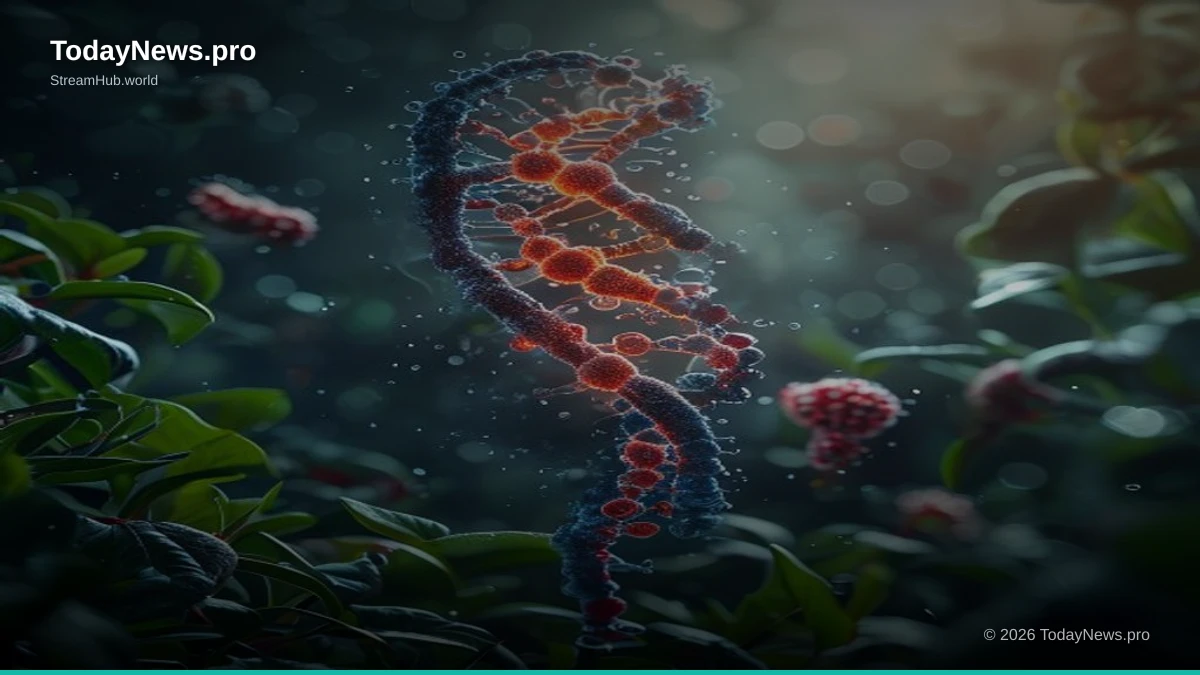
The Dawn of Precision: Understanding CRISPR
The ability to precisely alter the genetic code of living organisms, once confined to the realm of science fiction, has become a tangible reality thanks to groundbreaking technologies like CRISPR-Cas9. Short for Clustered Regularly Interspaced Short Palindromic Repeats, CRISPR is not a single gene-editing tool but rather a system derived from a bacterial defense mechanism. In its natural state, bacteria use CRISPR sequences to identify and cut out viral DNA, storing snippets of these invaders to recognize and neutralize them upon subsequent infection. Scientists have ingeniously repurposed this natural system into a molecular scalpel, capable of targeting specific DNA sequences within a cell's genome. At its core, the CRISPR-Cas9 system comprises two key components: a guide RNA (gRNA) and a Cas9 enzyme. The gRNA is a custom-designed molecule that acts as a molecular GPS, directing the Cas9 enzyme to a precise location within the DNA. Once guided to the target site, the Cas9 enzyme acts like molecular scissors, creating a double-strand break in the DNA helix. This break triggers the cell's own natural DNA repair mechanisms. Scientists can then exploit these repair pathways in various ways. They can introduce a new, corrected DNA sequence that the cell incorporates during repair, effectively replacing a faulty gene. Alternatively, they can disrupt a gene by allowing the cell to repair the break imperfectly, rendering the gene inactive. This elegant simplicity and remarkable precision have democratized gene editing, making it more accessible and efficient than previous methods like zinc-finger nucleases (ZFNs) and transcription activator-like effector nucleases (TALENs).The Mechanics of Molecular Surgery
The process begins with designing a specific gRNA sequence that is complementary to the target DNA sequence. This gRNA molecule then binds to the Cas9 enzyme, forming a complex. This complex is introduced into the cell, where the gRNA guides the Cas9 enzyme to the intended genomic location. The Cas9 enzyme, a DNA endonuclease, then cleaves the DNA at that specific site. The cell's response to this double-strand break is crucial. It can employ one of two primary repair pathways: Non-Homologous End Joining (NHEJ) or Homology-Directed Repair (HDR). NHEJ is a quick but error-prone process that often results in small insertions or deletions, effectively "knocking out" the gene. HDR, on the other hand, is a more precise pathway that requires a template DNA sequence. If scientists provide a corrected version of the gene as a template, the cell can use it during repair, incorporating the desired genetic correction.Advantages Over Predecessors
Before CRISPR, gene editing was a more cumbersome and less efficient endeavor. ZFNs and TALENs involved engineering custom proteins to recognize specific DNA sequences, a complex and time-consuming process. CRISPR, with its RNA-based targeting system, offers significant advantages. Designing and synthesizing gRNAs is relatively straightforward and cost-effective, allowing for rapid targeting of multiple genes simultaneously. This versatility and ease of use have accelerated research exponentially, opening doors to applications that were previously unimaginable. The ability to target virtually any gene in any organism has made CRISPR a powerful tool for basic research, drug discovery, and therapeutic development.| Technology | Mechanism | Efficiency | Specificity | Ease of Use | Cost |
|---|---|---|---|---|---|
| CRISPR-Cas9 | RNA-guided DNA cleavage | High | High | High | Moderate |
| TALENs | Protein-guided DNA cleavage | Moderate to High | High | Moderate | High |
| ZFNs | Protein-guided DNA cleavage | Moderate | Moderate to High | Low | Very High |
CRISPRs Impact on Human Health: Eradicating Disease
The most compelling promise of CRISPR technology lies in its potential to revolutionize human medicine. For millennia, genetic disorders have imposed immense suffering, often with limited or no effective treatments. CRISPR offers the tantalizing prospect of correcting the underlying genetic defects that cause these conditions, moving from symptom management to true cures. The focus is on somatic gene editing, where modifications are made to the cells of a patient's body, and these changes are not passed on to future generations. One of the earliest and most promising applications of CRISPR is in the treatment of monogenic diseases – conditions caused by mutations in a single gene. Sickle cell disease and beta-thalassemia, debilitating blood disorders, are prime examples. In these conditions, a faulty gene leads to the production of abnormal hemoglobin. Researchers are developing therapies that involve extracting a patient's own blood stem cells, using CRISPR to correct the genetic mutation responsible for the disease, and then reinfusing the corrected cells back into the patient. Early clinical trials have shown remarkable success, with some patients experiencing significant symptom relief and even functional cures.Targeting Inherited Blindness
Another area where CRISPR is making significant inroads is in treating inherited forms of blindness. Diseases like Leber congenital amaurosis (LCA), a severe form of vision loss present from birth, are caused by mutations in specific genes. In vivo CRISPR-based therapies are being explored, where the CRISPR machinery is delivered directly into the eye to correct the faulty gene in retinal cells. This approach aims to restore vision by enabling the cells to produce the proteins necessary for sight. The precision of CRISPR is crucial here, as the eye is a delicate organ where off-target edits could have severe consequences.The Fight Against Cancer and Infectious Diseases
Beyond inherited disorders, CRISPR holds immense potential for combating cancer and infectious diseases. In cancer therapy, CRISPR can be used to engineer a patient's immune cells, such as T-cells, to more effectively recognize and attack cancer cells. This "CAR-T" therapy, enhanced by CRISPR, is showing promise in treating certain types of leukemia and lymphoma. For infectious diseases, CRISPR could be employed to target and disable the DNA of viruses like HIV, potentially leading to a functional cure. Furthermore, it could be used to engineer mosquitoes to be resistant to carrying diseases like malaria, or to make crops resistant to pathogens, a topic we will delve into further.Beyond the Blade: CRISPRs Limitations and Ethical Labyrinths
Despite its remarkable capabilities, CRISPR is not a perfect panacea. Several technical challenges and profound ethical considerations must be addressed as the technology matures. One of the primary technical hurdles is the risk of "off-target edits." While CRISPR is highly precise, it's not infallible. The Cas9 enzyme can occasionally bind to and cut DNA sequences that are similar, but not identical, to the intended target. These unintended edits can have unpredictable and potentially harmful consequences, including the activation of oncogenes or the disruption of essential genes. Significant research efforts are focused on improving the specificity of CRISPR systems and developing robust methods for detecting and mitigating off-target effects.The Challenge of Delivery
Another significant challenge is the efficient and safe delivery of the CRISPR-Cas9 system into target cells within the body. For in vivo therapies, the CRISPR components need to be packaged and delivered to specific tissues or organs without eliciting an adverse immune response. Viral vectors, lipid nanoparticles, and other delivery vehicles are being explored, each with its own set of advantages and disadvantages. Ensuring that the therapeutic payload reaches the correct cells in sufficient quantities, while minimizing exposure to non-target cells, is a complex logistical and biological puzzle.Germline Editing: A Pandoras Box?
Perhaps the most contentious ethical debate surrounding CRISPR revolves around germline gene editing. Unlike somatic editing, germline editing involves modifying the DNA of sperm, eggs, or early embryos. These changes are heritable, meaning they would be passed down to future generations. Proponents argue that germline editing could eradicate inherited diseases permanently, sparing countless individuals from suffering. However, the potential for unintended, irreversible consequences on the human gene pool is a grave concern. Critics raise fears of "designer babies," where genetic enhancements could exacerbate social inequalities, and of unforeseen evolutionary impacts. International consensus has largely been against germline editing for reproductive purposes, with a moratorium in place in many countries, pending further ethical deliberation and scientific understanding.The ethical implications extend beyond germline editing. Questions arise about equitable access to gene therapies, the potential for misuse of the technology for non-therapeutic enhancements, and the societal impact of eradicating certain genetic traits. Extensive public discourse and international collaboration are vital to navigate these complex issues responsibly.
Revolutionizing Agriculture: Feeding the World Sustainably
The gene-editing revolution extends far beyond human health, offering transformative solutions for agriculture and global food security. As the world population continues to grow and climate change presents increasing challenges, the need for more resilient, productive, and sustainable food systems has never been more urgent. CRISPR technology is proving to be a powerful tool in achieving these goals. One of the most significant applications of CRISPR in agriculture is the development of crops with enhanced traits. Scientists can use CRISPR to precisely modify genes responsible for desirable characteristics such as drought tolerance, pest resistance, improved nutritional content, and extended shelf life. For example, by editing genes involved in water uptake or stress response, researchers can develop crops that thrive in arid conditions, reducing the need for irrigation and making agriculture more feasible in water-scarce regions. Similarly, enhancing a plant's natural defenses against insects and diseases can reduce reliance on chemical pesticides, leading to more environmentally friendly farming practices.Boosting Nutritional Value and Yield
CRISPR is also being employed to increase the nutritional value of staple crops. For instance, genes can be edited to boost the levels of essential vitamins and minerals in crops like rice, wheat, and corn, helping to combat micronutrient deficiencies prevalent in many parts of the world. This can be achieved through techniques that enhance the synthesis of specific nutrients or reduce the presence of anti-nutrients that hinder absorption. Furthermore, CRISPR can be used to improve crop yields by optimizing plant growth, flowering, and seed production, contributing to greater food availability and affordability.Reducing Food Waste and Improving Sustainability
The ability to extend the shelf life of fruits and vegetables through gene editing can significantly reduce food waste, a major global problem. By targeting genes that control ripening or spoilage, researchers can develop produce that remains fresh for longer periods, allowing for more efficient transportation and distribution, and ultimately, less food ending up in landfills. Moreover, CRISPR can be used to develop crops that require fewer inputs, such as fertilizers and water, thereby reducing the environmental footprint of agriculture. This includes developing plants that can fix their own nitrogen or utilize nutrients more efficiently.The development of CRISPR-edited crops has faced scrutiny and regulatory hurdles. However, many regulatory bodies are increasingly recognizing that gene-edited organisms, particularly those with edits that could occur naturally or through conventional breeding, may not pose the same risks as genetically modified organisms (GMOs) produced through earlier technologies. This distinction is crucial for enabling the widespread adoption of these beneficial agricultural innovations. Learn more about the CRISPR process on Wikipedia.