

 Maria Curry
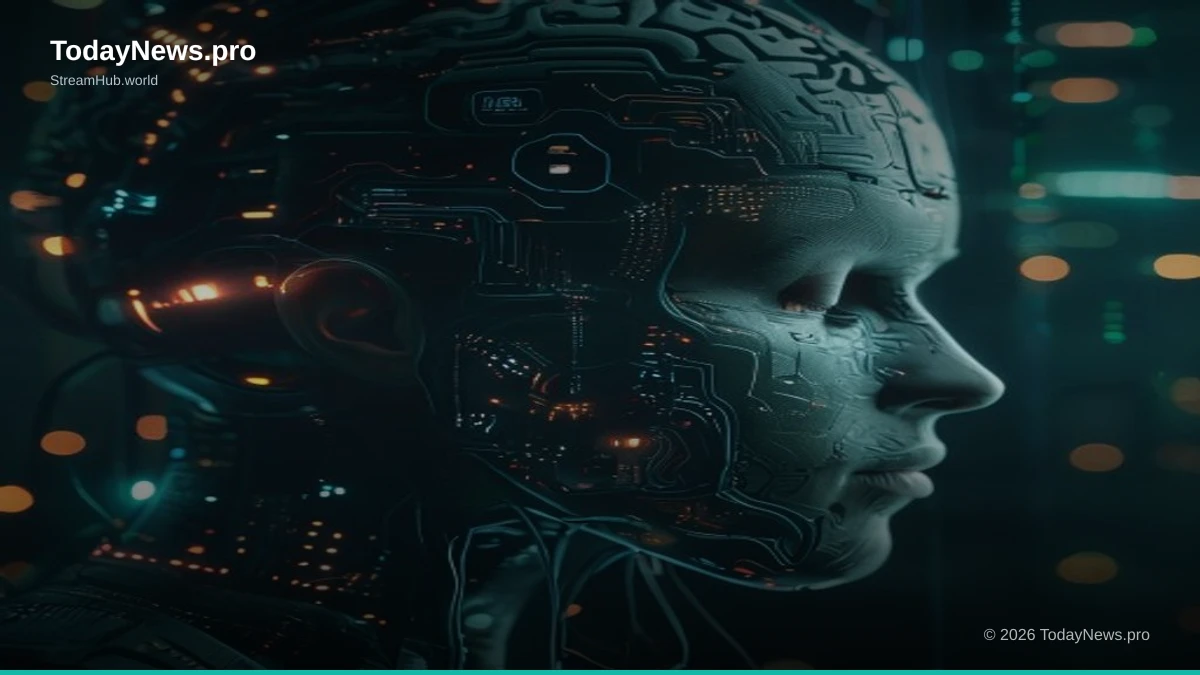
In the United States alone, over 2 million individuals live with paralysis, a condition that severely impacts mobility and independence. Brain-computer interfaces (BCIs) offer a revolutionary pathway to restore agency and connection for these individuals, moving beyond the limitations of traditional assistive technologies.
Mind Over Machine: The Dawn of Brain-Computer Interfaces
The concept of directly linking the human brain to external devices has long been a staple of science fiction. However, what was once a fantastical notion is rapidly becoming a tangible reality. Brain-computer interfaces (BCIs) represent a paradigm shift in how humans interact with technology, offering unprecedented potential to enhance human capabilities, restore lost functions, and even augment cognitive abilities. This technology bypasses the conventional output pathways of the peripheral nerves and muscles, enabling direct communication between the brain and external devices.
At its core, a BCI system translates brain activity into commands that can control external devices. This process involves several key stages: acquiring brain signals, processing these signals to extract meaningful information, and then translating that information into actionable commands. The ultimate goal is to provide individuals with greater control over their environment and their own bodies, particularly those who have lost motor function due to neurological conditions or injuries.
A New Era of Human-Machine Symbiosis
The implications of BCIs extend far beyond mere control. They herald a new era of human-machine symbiosis, where the lines between biological and artificial intelligence begin to blur. Imagine a future where thoughts can directly control prosthetic limbs with astonishing dexterity, where communication is as seamless as thinking it, or where individuals can interact with the digital world through sheer mental intent. This is the promise of BCI technology.
Current advancements are already demonstrating remarkable feats. Patients with severe paralysis are learning to operate robotic arms, type messages, and even navigate virtual environments using only their thoughts. This profound impact on quality of life underscores the critical importance of understanding and developing BCI technology responsibly.
The Foundational Science: How BCIs Read Our Thoughts
Understanding how BCIs work requires a basic grasp of neuroscience and signal processing. The human brain is a complex network of billions of neurons, constantly communicating through electrical and chemical signals. These signals, particularly the electrical ones generated by neuronal activity, can be detected and interpreted.
BCIs rely on measuring these neural signals and then decoding them. Different types of brain activity correspond to different mental states or intentions. For instance, imagining moving a limb, focusing attention, or even experiencing specific emotions can generate distinct patterns in brainwave activity that can be captured by sensors.
Electroencephalography (EEG): The Window to the Brain
Electroencephalography (EEG) is a cornerstone of non-invasive BCI technology. It involves placing electrodes on the scalp to detect the electrical potential generated by large populations of neurons firing synchronously. While EEG provides a broad overview of brain activity, its spatial resolution is relatively low, meaning it's difficult to pinpoint the exact location of the signal source.
Despite its limitations, EEG is widely used due to its non-invasiveness, affordability, and ease of use. It can detect various brainwave patterns, such as alpha, beta, theta, and delta waves, each associated with different cognitive states like relaxation, alertness, or drowsiness. Specific mental tasks, like imagining movements, can evoke distinct changes in these wave patterns, which BCIs can learn to recognize.
Other Neural Signal Acquisition Methods
Beyond EEG, other methods offer varying degrees of signal resolution and invasiveness. Magnetoencephalography (MEG) measures magnetic fields produced by electrical activity in the brain, offering better spatial resolution than EEG but requiring highly specialized and expensive equipment. Electrocorticography (ECoG) involves placing electrodes directly on the surface of the brain, providing much higher signal quality and spatial resolution than scalp EEG. However, ECoG is an invasive procedure requiring surgery.
At the most invasive end of the spectrum are intracortical microelectrode arrays. These arrays, implanted directly into the brain tissue, can record the electrical activity of individual neurons. This offers the highest signal fidelity and specificity, allowing for the decoding of complex motor intentions. However, the long-term stability and biocompatibility of these implants remain significant research challenges.
Types of Brain-Computer Interfaces: Invasive vs. Non-Invasive
The BCI landscape is broadly categorized into two main types based on how they acquire brain signals: non-invasive and invasive. Each approach has its distinct advantages and disadvantages, influencing their suitability for different applications and user groups.
Non-Invasive BCIs: The Accessible Frontier
Non-invasive BCIs are the most common and widely studied. They do not require surgery and can be implemented using devices that are worn externally, such as EEG caps or headbands. These methods are generally safer, more cost-effective, and easier for individuals to use in daily life.
The primary advantage of non-invasive BCIs is their accessibility. They can be deployed in clinical settings, homes, and even public spaces without significant medical intervention. However, the signals acquired through the scalp are weaker and more susceptible to noise from muscle movements and other sources. This often leads to lower signal-to-noise ratios and, consequently, less precise control compared to invasive methods.
Invasive BCIs: Precision at a Price
Invasive BCIs involve implanting electrodes directly into or onto the brain. This approach allows for the recording of neural signals with much higher fidelity and spatial resolution. ECoG and intracortical electrode arrays fall under this category.
The significant advantage of invasive BCIs is their potential for fine-grained control. By directly tapping into neuronal activity, these systems can decode a wider range of intentions with greater accuracy. This has been crucial for enabling individuals with severe motor impairments to perform complex tasks, such as controlling advanced prosthetic limbs that mimic natural hand movements or typing at speeds approaching those of able-bodied individuals using traditional keyboards.
However, the necessity of surgery introduces risks, including infection, bleeding, and tissue damage. Furthermore, the long-term stability of implanted devices, their biocompatibility, and the potential for scar tissue formation that degrades signal quality are critical challenges that researchers are actively addressing.
| Method | Invasiveness | Signal Quality | Spatial Resolution | Cost | Typical Applications |
|---|---|---|---|---|---|
| EEG | Non-invasive | Low to Moderate | Low | Low | Communication, basic device control, neurofeedback |
| MEG | Non-invasive | Moderate | Moderate | High | Research, diagnosis |
| ECoG | Semi-invasive | High | Moderate to High | High | Restoring motor control, epilepsy monitoring |
| Intracortical Microelectrodes | Invasive | Very High | Very High | Very High | Advanced prosthetics, restoring fine motor control |
Transformative Applications: Restoring Hope and Function
The most immediate and impactful applications of BCIs are in the field of neurorehabilitation and assistive technologies. For individuals suffering from conditions like amyotrophic lateral sclerosis (ALS), spinal cord injuries, stroke, or locked-in syndrome, BCIs offer a lifeline to regain autonomy and communication.
Restoring Communication
One of the earliest and most profound successes of BCI technology has been in restoring communication for individuals who have lost the ability to speak or write. Non-invasive EEG-based systems, and more advanced invasive systems, allow users to select letters, words, or pre-programmed phrases by focusing their attention on specific targets or by imagining specific movements that are translated into cursor movements on a screen.
This ability to communicate, even at a reduced speed, can dramatically improve the quality of life for individuals, allowing them to express their needs, desires, and emotions, and to reconnect with loved ones. The development of spellers and virtual keyboards controlled by thought has been a monumental step forward.
Reclaiming Motor Control
For individuals with paralysis, the loss of motor control is devastating. BCIs are making significant strides in enabling them to control prosthetic limbs, wheelchairs, and even their own reanimated muscles through functional electrical stimulation (FES). Invasive BCIs, in particular, have shown remarkable promise in decoding motor intentions with enough precision to control complex robotic arms that can grasp objects, perform intricate manipulations, and even be used to feed oneself.
These systems are moving beyond simple cursor control to provide a more intuitive and naturalistic experience. The goal is to create prosthetic devices that feel like extensions of the user's own body, restoring a sense of agency and independence that was previously lost.
Ethical Frontiers and Societal Implications
As BCI technology advances, it opens up a complex web of ethical considerations that society must grapple with. The ability to access and interpret brain signals raises profound questions about privacy, autonomy, and equity.
Privacy and Data Security
Brain data is arguably the most intimate and sensitive form of personal information. BCIs collect data directly from the brain, which could potentially reveal not only intentions and commands but also emotional states, cognitive patterns, and even subconscious thoughts. Ensuring the robust security and privacy of this data is paramount. Who owns this data? How will it be used? What safeguards are in place to prevent misuse, such as unauthorized surveillance or manipulation?
The potential for brain data to be hacked, sold, or used for discriminatory purposes necessitates strict regulations and ethical guidelines. The development of "neuro-rights" is becoming an increasingly urgent conversation among ethicists, policymakers, and technologists.
Autonomy and Agency
While BCIs aim to restore autonomy, there are concerns about the potential for these systems to subtly influence or even control user behavior. If a BCI system is designed to optimize performance or provide feedback, could it inadvertently shape a user's decision-making processes? Furthermore, questions arise about the extent to which a person remains truly autonomous when their actions are mediated by a complex technological interface.
The potential for BCIs to be used for military or coercive purposes also presents a significant ethical challenge. Ensuring that BCI technology is developed and deployed in a manner that respects and enhances human autonomy, rather than undermining it, is a critical imperative.
Equity and Access
BCI technology, especially the more advanced invasive systems, is currently very expensive and requires significant medical expertise. This raises concerns about equitable access. Will BCI technology become a luxury item, exacerbating existing social inequalities? Ensuring that the benefits of BCIs are accessible to all who could benefit, regardless of their socioeconomic status or geographic location, will require careful planning and policy intervention.
Efforts to develop more affordable and accessible non-invasive BCI solutions are crucial. Furthermore, international collaboration and open-source initiatives could help democratize access to this transformative technology. The Wikipedia entry on Brain-Computer Interface provides a good overview of the field: Wikipedia - Brain-Computer Interface.
The Future of BCIs: Beyond Rehabilitation
While restoring function for those with disabilities is a primary driver, the future of BCIs extends into augmenting human capabilities and transforming various industries. The potential for cognitive enhancement, seamless human-computer interaction, and even new forms of entertainment is vast and largely untapped.
Cognitive Enhancement and Augmentation
Beyond restoring lost abilities, BCIs hold the promise of enhancing human cognitive functions. Imagine improved memory recall, accelerated learning, enhanced focus, or even direct access to information without the need for traditional interfaces. This could revolutionize education, professional development, and creative pursuits.
The development of BCIs that can facilitate faster information processing, improved decision-making, or even shared consciousness experiences is on the horizon. This area, however, is fraught with ethical debates surrounding what it means to be human and the potential for unintended consequences.
Transforming Industries
The applications of BCIs are not limited to healthcare and personal augmentation. Industries such as gaming, virtual reality, and even manufacturing are poised for disruption. BCIs could enable more immersive and intuitive gaming experiences, where players can control characters and environments with their thoughts.
In virtual and augmented reality, BCIs could offer a level of immersion previously unimaginable, allowing users to interact with digital worlds in a truly embodied way. In manufacturing, BCIs might assist in controlling complex machinery or performing delicate tasks with greater precision.
BCIs in Creative Arts and Entertainment
The realm of art and entertainment is also ripe for BCI innovation. Musicians could compose music directly from their minds, artists could create visual masterpieces through thought, and audiences could experience narratives in more profound and personalized ways.
Imagine interactive films where the plot adapts based on the viewer's emotional responses, or concerts where the audience's collective mood influences the music. This opens up entirely new avenues for creative expression and audience engagement.
Challenges and Hurdles on the Path to Widespread Adoption
Despite the immense potential, significant challenges remain before BCIs become a commonplace technology. These hurdles span technical, biological, and societal domains.
Technical Limitations and Signal Reliability
For non-invasive BCIs, improving signal-to-noise ratio and spatial resolution remains a key challenge. Brain signals are inherently noisy, and distinguishing meaningful signals from artifacts caused by muscle movements, eye blinks, or external interference is difficult. Developing more sophisticated signal processing algorithms and robust sensor technology is crucial.
For invasive BCIs, long-term implant stability, biocompatibility, and the prevention of scar tissue formation that degrades signal quality are ongoing research areas. The energy requirements and miniaturization of implantable devices also present significant engineering challenges. Reuters has reported on some of the latest developments: Reuters - BCI Companies Race to Human Trials.
Usability and User Training
Current BCI systems often require extensive user training to achieve proficiency. Learning to consciously modulate brain activity to control a device can be a steep learning curve. Making BCIs more intuitive and easier to learn is essential for widespread adoption, especially for everyday users.
The development of adaptive algorithms that can learn and adjust to individual user patterns over time, and user interfaces that are more forgiving of errors, will significantly improve usability. The goal is to create systems that feel natural and require minimal conscious effort to operate.
Regulatory Approval and Ethical Frameworks
The path to regulatory approval for medical BCI devices is complex and rigorous. Ensuring the safety and efficacy of these novel technologies requires extensive clinical trials and adherence to strict standards. As BCI applications expand beyond medical uses, new regulatory frameworks will be needed.
Establishing clear ethical guidelines and societal consensus on the responsible development and deployment of BCI technology is paramount. This includes addressing issues of privacy, security, autonomy, and equity to ensure that BCIs benefit humanity as a whole and do not create new forms of harm or division.