

 Maria Gonzalez
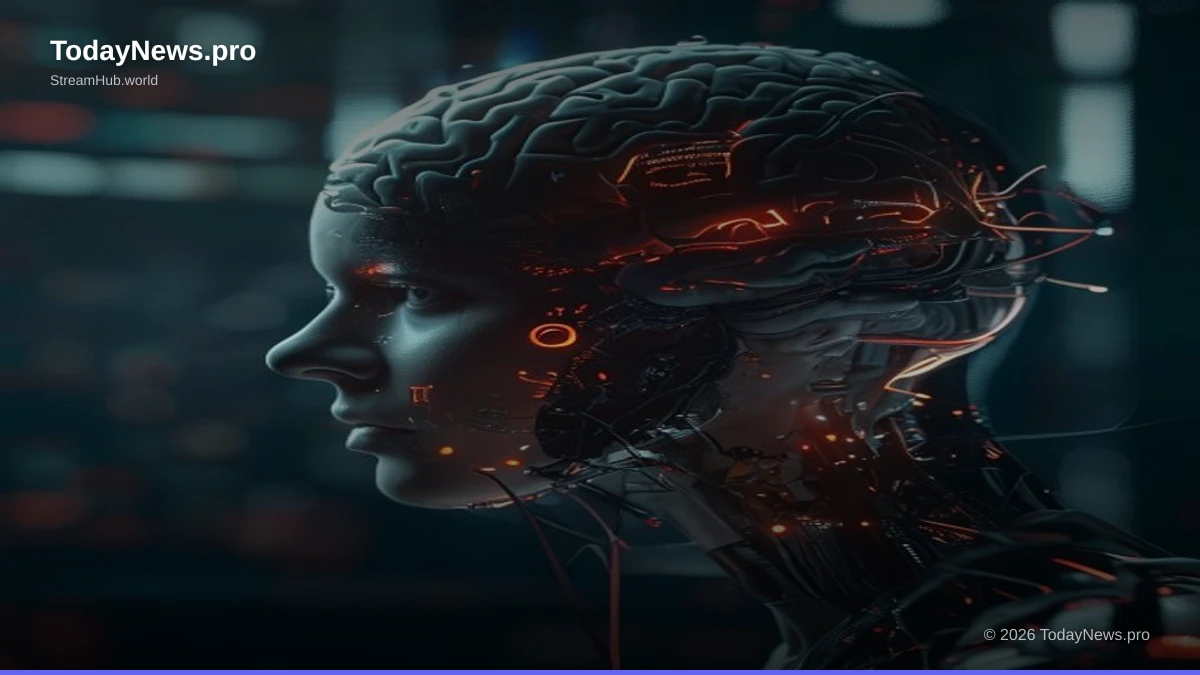
By 2023, over 500,000 individuals worldwide live with paralysis, a condition that severely limits their independence and quality of life. Brain-Computer Interfaces (BCIs) are emerging as a revolutionary force, offering a beacon of hope for these individuals and promising to reshape our interaction with technology and perhaps even our very selves.
The Dawn of Neural Interfacing: A New Era of Human-Machine Symbiosis
The intricate network of neurons within the human brain, estimated to contain around 86 billion cells, has long been the subject of fascination and scientific inquiry. Brain-Computer Interfaces represent a pivotal advancement, bridging the gap between this biological marvel and the digital world. These systems, at their core, decode neural signals—the electrical and chemical pulses that govern our thoughts, actions, and sensations—and translate them into commands for external devices. This is not science fiction; it is a rapidly evolving reality, driven by decades of neuroscientific research and engineering innovation.
Early conceptualizations of direct brain-machine communication were largely confined to the theoretical realm or demonstrated in rudimentary forms. However, the past two decades have witnessed an exponential leap in BCI technology. Advancements in non-invasive techniques, such as electroencephalography (EEG), and increasingly sophisticated invasive methods, like electrocorticography (ECoG) and microelectrode arrays, have unlocked unprecedented levels of fidelity in capturing neural data. These technologies allow researchers to "listen" to the brain's electrical chatter with remarkable precision, identifying patterns associated with specific intentions or cognitive states.
The fundamental architecture of most BCI systems involves three key components: signal acquisition, signal processing, and output generation. Signal acquisition involves the capture of neural data, whether through electrodes placed on the scalp (non-invasive) or implanted directly into brain tissue (invasive). Signal processing then employs complex algorithms to filter noise, extract relevant features, and classify neural patterns. Finally, output generation translates these classified patterns into commands that control external devices, ranging from prosthetic limbs and wheelchairs to computer cursors and communication interfaces.
The potential for symbiosis is profound. Imagine a future where individuals can communicate their needs and desires instantaneously, bypassing physical limitations. This is the promise of BCIs: to create a seamless, intuitive connection between human intention and technological action, fostering a new paradigm of interaction that transcends traditional input methods.
Types of Brain-Computer Interfaces
BCIs can be broadly categorized based on their invasiveness and the type of neural signals they utilize. Non-invasive BCIs, predominantly EEG-based, are the most accessible and widely researched. They involve placing electrodes on the scalp to measure electrical activity. While offering convenience and safety, EEG signals are often noisy and have lower spatial resolution, limiting their precision. Invasive BCIs, such as ECoG and microelectrode arrays, involve surgically implanting electrodes directly onto or into the brain. These methods yield much higher signal quality and spatial resolution, enabling more complex control and finer motor commands, but they carry inherent surgical risks and long-term biocompatibility concerns.
Another emerging area is semi-invasive BCIs, which might involve minimally invasive surgical procedures to place electrodes closer to neural tissue without deep brain penetration. This approach seeks to strike a balance between signal quality and risk, though it is still in its nascent stages of development. The choice of BCI type is heavily dependent on the intended application, balancing the need for precision against factors like safety, cost, and patient comfort.
The Science Behind Signal Decoding
Decoding neural signals is a complex feat of computational neuroscience. Machine learning algorithms play a crucial role, learning to associate specific neural patterns with particular intentions or commands. For instance, when a user intends to move their arm left, specific neurons in the motor cortex fire in a characteristic pattern. Machine learning models are trained to recognize this pattern and translate it into a "move left" command for a prosthetic arm. The accuracy and speed of decoding are continuously improving with advancements in artificial intelligence and data processing capabilities.
Feature extraction is a vital step, where raw neural data is filtered and transformed to highlight the most informative signals. This might involve analyzing the frequency of brain waves, the amplitude of specific neural events, or the firing rates of individual neurons. Subsequently, classification algorithms, such as support vector machines or deep neural networks, are employed to categorize these features and predict the user's intended action. The continuous feedback loop, where the user sees the result of their mental command and can adjust their thoughts accordingly, is essential for refining the decoding process and improving performance over time.
Unlocking the Brains Potential: Therapeutic Breakthroughs and Restorative Technologies
The most immediate and impactful applications of BCIs lie in the realm of medicine. For individuals who have lost motor function due to spinal cord injuries, strokes, Amyotrophic Lateral Sclerosis (ALS), or other neurological conditions, BCIs offer a revolutionary pathway to regain agency and independence. Imagine a patient paralyzed from the neck down who can once again control a robotic arm to feed themselves, or communicate their thoughts and feelings with loved ones through a computer interface. These are not distant fantasies but realities being forged in research labs and clinical trials.
One of the most compelling areas of BCI research is in restoring communication. For individuals with locked-in syndrome or severe speech impairments, BCIs can translate brain activity directly into text or synthesized speech. This empowers them to participate in conversations, express their needs, and re-engage with the world in ways previously impossible. Early systems have enabled users to type at speeds that, while slower than natural speech, are a monumental improvement over previous communication methods.
Beyond communication, BCIs are being developed to restore motor control. Users can learn to control prosthetic limbs with remarkable dexterity, essentially re-enacting natural movements through mental commands. This not only restores a fundamental aspect of physical autonomy but also has profound psychological benefits, helping individuals feel more whole and capable. Research is also exploring BCIs for restoring sensory feedback, allowing users to "feel" the texture or pressure of objects grasped by a prosthetic hand.
Restoring Motor Function and Mobility
The development of neuroprosthetics powered by BCIs is a cornerstone of restorative medicine. Companies like Neuralink, despite the controversies surrounding their methods, are pushing the boundaries of implantable BCI technology to enable high-bandwidth neural communication. Researchers are also refining non-invasive techniques to allow individuals to control powered wheelchairs or exoskeletons with their thoughts, offering a newfound sense of mobility and freedom. The precision of these systems is gradually improving, allowing for more nuanced and natural movements. The ability to regain control over one's own body, even through an intermediary technology, is a powerful therapeutic outcome.
Enhancing Communication for the Speech Impaired
For individuals who have lost the ability to speak due to conditions like ALS or stroke, BCIs offer a lifeline to expressive communication. Systems that decode intended speech from brain signals are becoming increasingly sophisticated. These often involve users imagining saying specific words or phonemes, which are then detected and translated into text or audible speech. This technology is not just about conveying basic needs; it's about restoring the rich tapestry of human interaction, enabling individuals to share their thoughts, feelings, and ideas with the world.
One significant challenge in this area is the sheer complexity of language. Decoding the neural correlates of spoken words, grammar, and intent is a formidable task. However, recent breakthroughs in deep learning have shown promise in mapping brain activity to intended speech with greater accuracy and speed. The goal is to achieve a communication rate that approaches natural speech, although this remains a long-term objective.
Rehabilitation and Neuroplasticity
Beyond direct control, BCIs are also being explored as tools for neurorehabilitation. By providing real-time feedback on brain activity, BCIs can help patients retrain their brains after injury. For example, a stroke patient might be encouraged to imagine moving a limb, and if the corresponding neural activity is detected, they receive a visual or auditory reward. This process can encourage neuroplasticity—the brain's ability to reorganize itself—thereby promoting recovery of motor or cognitive functions. This "brain training" approach holds significant promise for accelerating recovery and improving long-term outcomes.
| Condition | BCI Application | Current Status | Future Potential |
|---|---|---|---|
| Spinal Cord Injury | Motor control (prosthetics, exoskeletons), communication | Clinical trials, early adoption | Fine motor control, sensory feedback integration |
| Stroke | Motor rehabilitation, communication | Rehabilitation programs, research | Accelerated recovery, restoration of complex movements |
| ALS (Amyotrophic Lateral Sclerosis) | Communication, environmental control | Established assistive technology | Improved communication speed, integration with AI assistants |
| Epilepsy | Seizure detection and prediction | Research, nascent devices | Proactive seizure management, closed-loop intervention |
Beyond Therapy: The Expansive Horizons of BCIs in Everyday Life
While the therapeutic applications of BCIs are undeniably life-changing, the technology's potential extends far beyond the medical sphere. As BCI systems become more refined, user-friendly, and affordable, they are poised to revolutionize how we interact with the digital world, enhance our cognitive abilities, and even redefine entertainment and creative expression.
Consider the gaming industry. Imagine playing video games not by manipulating a controller, but by directly controlling in-game characters with your thoughts. This could offer an unprecedented level of immersion and responsiveness. Similarly, in creative fields, BCIs could enable artists to compose music or design visual art by directly translating their mental concepts into digital creations. The speed and intuitive nature of thought-based control could unlock new avenues of artistic exploration.
The concept of "ambient computing" could also be significantly advanced by BCIs. Instead of actively reaching for a device or issuing voice commands, users could seamlessly interact with their smart home devices, adjust environmental settings, or access information simply by thinking about it. This could lead to a more fluid and personalized technological experience, where our environment anticipates our needs and responds intuitively.
Enhancing Human Performance and Productivity
The integration of BCIs into professional settings holds the promise of significantly boosting human performance and productivity. In fields requiring intense focus and rapid decision-making, such as air traffic control or complex data analysis, BCIs could provide an edge. By monitoring cognitive states, BCIs could alert individuals to declining focus or stress levels, suggesting breaks or adjustments. Furthermore, direct thought-to-command interfaces could streamline complex tasks, allowing professionals to manipulate intricate software or machinery with greater speed and precision than traditional methods allow.
This could extend to fields like surgery, where a surgeon's hands might be occupied, but their thoughts could guide robotic instruments or access critical patient data. The ability to offload cognitive load or enhance attention through BCI integration presents a compelling case for its adoption in high-stakes professions. The ultimate goal is not to replace human intellect but to augment it, creating a more efficient and effective workforce.
The Future of Entertainment and Gaming
The gaming and entertainment industries are ripe for BCI disruption. Imagine experiencing virtual reality environments with a level of immersion that transcends current sensory inputs. BCIs could allow users to not only see and hear but also to "feel" their virtual surroundings, or to control avatars with the same fluidity and nuance as their own bodies. This could transform gaming into a truly embodied experience, blurring the lines between the real and the virtual.
Beyond gaming, BCIs could unlock new forms of interactive storytelling and artistic expression. Artists could paint with their minds, musicians could compose symphonies through neural impulses, and audiences could influence the narrative of a film or play in real-time. The potential for personalized and deeply engaging entertainment experiences is immense, promising to redefine how we consume and create media.
Augmented Reality and Seamless Interaction
The convergence of BCIs with augmented reality (AR) presents a particularly exciting frontier. Imagine AR glasses that not only overlay digital information onto the real world but also allow you to interact with that information using your thoughts. This could mean mentally selecting an app on a virtual display, manipulating 3D models in a design process, or instantly accessing information about an object you are looking at—all without lifting a finger or speaking a word. This seamless integration of digital and physical realities promises to make our interactions with technology more intuitive and efficient than ever before.
The potential applications span across numerous sectors, from education and training to professional collaboration and everyday information access. For instance, a student could mentally highlight sections of a digital textbook or pull up supplementary videos, while a mechanic could access repair schematics overlaid onto an engine, all guided by their thoughts. This is the promise of a truly integrated digital layer to our physical existence.
The Ethical Labyrinth: Navigating the Moral Quandaries of Brain-Computer Interfaces
As the capabilities of BCIs expand, so too do the ethical considerations. The ability to directly interface with the human brain raises profound questions about autonomy, privacy, identity, and the very definition of what it means to be human. As we stand on the precipice of this technological revolution, it is imperative that we engage in a robust and inclusive dialogue about the ethical boundaries we must establish and uphold.
One of the foremost ethical concerns revolves around consent and autonomy. For invasive BCIs, the decision to undergo surgery and have a device implanted is a significant one. Ensuring that individuals fully understand the risks, benefits, and long-term implications is paramount. Furthermore, as BCIs become more sophisticated, the potential for external influence or manipulation of thoughts and decisions arises. Safeguarding individual autonomy in the face of such powerful technology is a critical challenge.
The concept of identity is also challenged. If our thoughts and actions are increasingly mediated and potentially influenced by external systems, where does our true self begin and end? What happens when an individual's mental commands are interpreted differently by the BCI than they intended, leading to unintended consequences? These are not abstract philosophical debates but practical considerations that will shape the future of human-machine interaction.
Autonomy, Consent, and Free Will
The core of the ethical debate surrounding BCIs lies in their potential impact on human autonomy and free will. If a BCI can interpret and act upon our intentions, what happens when those interpretations are flawed or when external actors gain the ability to influence those intentions? Ensuring that individuals retain ultimate control over their thoughts and decisions is paramount. This involves not only secure system design but also clear legal and ethical guidelines that define the boundaries of permissible BCI operation. The notion of "informed consent" for BCI use, especially for invasive devices, needs to be exceptionally robust, accounting for the complex and evolving nature of the technology.
The Blurring Lines of Identity and Personhood
As BCIs become more integrated into our lives, they may begin to shape our very sense of self. If a significant portion of our actions and communications are mediated by a BCI, does it fundamentally alter our identity? What if the BCI's interpretation of our thoughts or its learning algorithms inadvertently influence our personality or preferences? These questions touch upon the philosophical underpinnings of personhood and individuality. The development of BCIs necessitates a re-evaluation of what constitutes our intrinsic self in an increasingly technologically augmented world. This could also extend to legal definitions of responsibility and agency.
Equity, Access, and the Digital Divide
Another significant ethical concern is the potential for BCIs to exacerbate existing societal inequalities. If advanced BCI technologies are expensive and only accessible to a privileged few, they could create a new form of digital divide, where cognitive enhancement and improved quality of life become commodities. This could lead to a scenario where those with access to BCIs gain significant advantages in education, employment, and overall well-being, further marginalizing those who cannot afford them. Ensuring equitable access and preventing the creation of a two-tiered society is a critical ethical imperative.
Efforts must be made to ensure that the benefits of BCI technology are distributed as widely as possible, particularly for therapeutic applications. This might involve government subsidies, non-profit initiatives, or open-source development models. The "democratization" of BCI technology is crucial to prevent it from becoming a tool that widens, rather than bridges, societal gaps.
Data Security and Privacy: The Unseen Vulnerabilities of Direct Neural Access
The intimate nature of brain data presents unprecedented challenges for security and privacy. Unlike traditional personal data, which can be leaked or stolen through conventional means, neural data is intrinsically linked to our innermost thoughts, feelings, and intentions. The potential for malicious actors to access, interpret, or even manipulate this data is a grave concern, demanding robust cybersecurity measures and stringent privacy regulations.
Imagine a scenario where a hacker gains access to a person's BCI, not just to control their prosthetic limb, but to surreptitiously record their thoughts or influence their decision-making. This is a dystopian prospect, but one that highlights the critical need for advanced encryption, secure authentication protocols, and transparent data handling practices. The very notion of privacy is redefined when our brains become a source of accessible data.
Protecting Neural Data from Breaches
The security of neural data is paramount. Unlike passwords or financial information, which can be changed, our brain patterns are fundamental to our being. A breach of neural data could have far-reaching consequences, from identity theft and blackmail to psychological manipulation. Therefore, BCI systems must incorporate state-of-the-art encryption, secure communication protocols, and robust authentication mechanisms. Regular security audits and penetration testing will be essential to identify and mitigate vulnerabilities before they can be exploited. The physical security of implanted devices also needs to be considered, preventing unauthorized access or tampering.
Defining and Safeguarding Mental Privacy
The concept of "mental privacy" needs to be rigorously defined and legally protected. What constitutes a private thought in the context of BCI technology? Who has the right to access this data, and under what circumstances? Legislation and ethical guidelines must evolve to address these questions, ensuring that individuals retain control over their own minds. For instance, should law enforcement be able to access neural data without a warrant? Should companies be able to use neural data for targeted advertising? These are complex societal questions that require careful consideration and public debate. The "right to mental privacy" may become as fundamental as the right to privacy of one's personal communications.
The development of anonymization and de-identification techniques for neural data will be crucial. While it may be impossible to completely remove identifying markers from highly specific neural patterns, researchers are exploring methods to aggregate and generalize data to protect individual privacy while still allowing for valuable research. The principle of "data minimization"—collecting only the data that is absolutely necessary for a given function—will also be a key strategy.
The Role of Regulation and Oversight
Given the profound implications of BCI technology, robust regulatory frameworks and independent oversight bodies will be essential. These entities will need to establish clear guidelines for BCI development, testing, deployment, and data management. They will also play a critical role in investigating and addressing any ethical violations or security breaches. International cooperation will be vital, as BCIs are a global technology with the potential to transcend national borders. The regulatory landscape must be agile enough to adapt to the rapid pace of technological advancement while remaining sufficiently stringent to protect individual rights and societal well-being. Transparency in BCI research and development will be key to fostering public trust and ensuring that these powerful technologies are developed responsibly.
Examples of existing regulations, such as the GDPR in Europe, can provide a foundation, but new, BCI-specific legislation will likely be required. This might include requirements for regular firmware updates to patch security vulnerabilities, mandatory independent ethical reviews for all BCI products, and clear pathways for individuals to report concerns or seek redress. The development of a universally accepted code of conduct for BCI researchers and developers would also be a significant step forward.
The Future of Cognition: Augmentation, Enhancement, and the Evolution of Humanity
Looking beyond the immediate therapeutic and productivity applications, BCIs hold the potential to fundamentally alter the trajectory of human evolution. As we learn to augment our cognitive abilities and enhance our processing power through direct neural interfaces, we enter uncharted territory regarding human potential and the very definition of intelligence. This future, while exciting, is also fraught with profound philosophical and existential questions.
The concept of "cognitive enhancement" through BCIs is perhaps the most transformative. Imagine being able to access information, learn new skills, or process complex data at speeds far exceeding current human capabilities. This could lead to unprecedented leaps in scientific discovery, artistic creation, and problem-solving. However, it also raises concerns about fairness, accessibility, and the potential for a stratified society based on cognitive augmentation. Who will have access to these enhancements, and what will be the consequences for those who do not?
As BCIs become more sophisticated, they could facilitate entirely new forms of collective intelligence. Imagine groups of individuals seamlessly sharing thoughts and ideas, collaboratively solving problems with a speed and synergy previously unimaginable. This could revolutionize teamwork, research, and societal decision-making. However, it also raises questions about the nature of individual thought and the potential for homogenization of ideas.
Cognitive Augmentation and Superintelligence
The prospect of directly augmenting human cognition through BCIs is a double-edged sword. On one hand, it promises an era of accelerated learning, enhanced problem-solving, and unprecedented creativity. Individuals could potentially download knowledge, master new languages in an instant, or process vast datasets with ease. This could propel humanity forward at an astonishing pace, leading to breakthroughs in science, technology, and our understanding of the universe. However, it also raises the specter of creating a significant cognitive divide, with augmented individuals possessing capabilities far beyond those who remain unaugmented.
The concept of artificial general intelligence (AGI) and its potential intersection with BCIs also warrants consideration. If BCIs can facilitate seamless communication and integration with advanced AI, could this lead to a form of human-AI hybrid intelligence? The ethical and societal implications of such a development are vast, requiring careful foresight and planning. The journey towards potential superintelligence, whether artificial or human-augmented, demands a deep understanding of our own limitations and aspirations.
The Evolution of Human Interaction and Society
The widespread adoption of BCIs could fundamentally alter the fabric of human interaction and societal structures. If communication becomes more direct and telepathic, traditional forms of social engagement might evolve. The emphasis could shift from verbal or written communication to a more nuanced and direct exchange of thoughts and emotions. This could foster deeper empathy and understanding, but it also carries the risk of diminished individuality and the erosion of nuanced social cues that are currently essential for human connection. The very nature of community and collaboration could be reshaped by these technologies.
Furthermore, societal structures built on current modes of communication and labor may need to adapt. Jobs that rely heavily on information processing or complex decision-making could be transformed, potentially leading to a need for new educational paradigms and economic models. The integration of BCIs could necessitate a societal re-evaluation of what it means to be productive, intelligent, and connected in the 21st century and beyond.
Existential Questions and the Future of Humanity
Ultimately, the development of BCIs forces us to confront fundamental existential questions about our place in the universe and the future of our species. As we gain the ability to directly augment our brains, merge with machines, and potentially transcend our biological limitations, we are engaging in a process that could be seen as a new phase of human evolution. What does it mean to be human in an age of advanced neurotechnology? Are we enhancing our humanity or fundamentally altering it?
These are not questions with easy answers. They require ongoing philosophical inquiry, ethical deliberation, and open public discourse. The choices we make today regarding the development and deployment of BCIs will have profound and lasting consequences, shaping not only the future of technology but the very future of humanity itself. The pursuit of knowledge and enhancement must be tempered with wisdom, foresight, and a deep respect for the intrinsic value of human life and consciousness.
For more on the scientific underpinnings, see Wikipedia's entry on Brain-Computer Interfaces and for updates on the latest research, explore Reuters' technology section, which often covers cutting-edge developments in AI and neuroscience.