

 Marcus Thorne
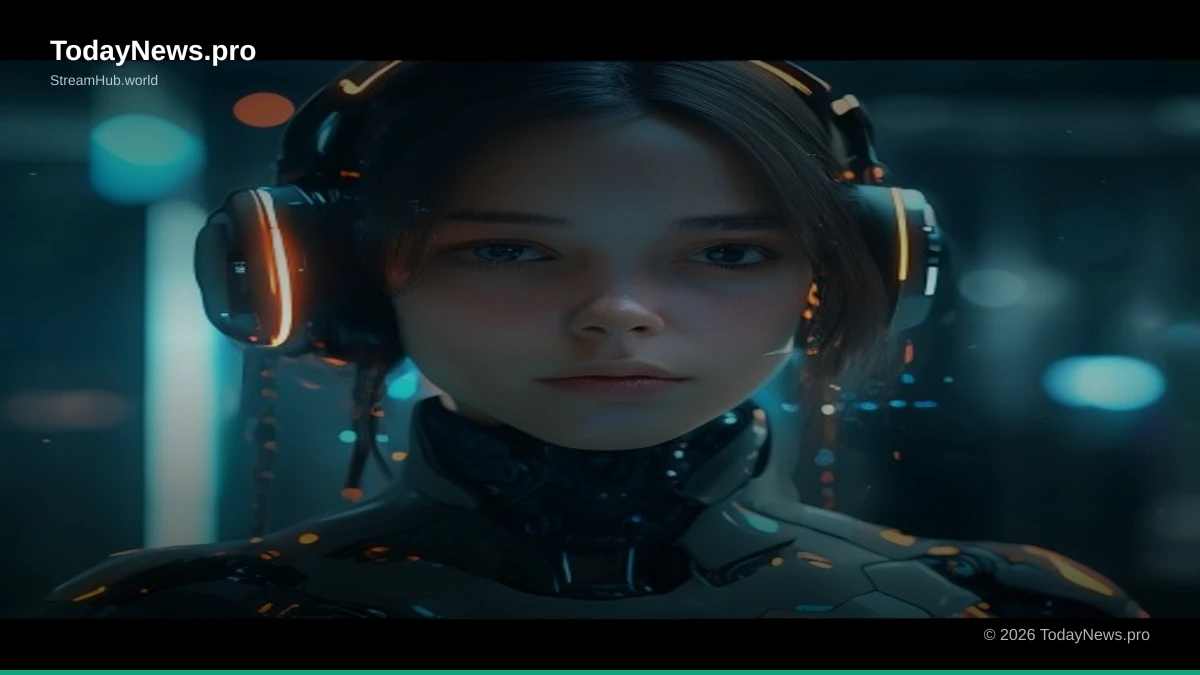
⏱ 25 min
By the end of 2025, it is projected that the global market for AI-powered personal assistants will reach over $10 billion, a significant leap from just a few years ago, indicating a burgeoning demand for more than just simple command execution.
Beyond Siri: The Evolution of Hyper-Intelligent AI Companions
The era of the rudimentary voice assistant is rapidly fading, giving way to a new generation of artificial intelligence poised to become deeply integrated into the fabric of our daily lives. These are not mere chatbots or scheduling tools; they are hyper-intelligent AI companions, designed to understand, anticipate, and actively participate in human endeavors with a level of nuance and sophistication previously confined to science fiction. Companies and researchers worldwide are investing billions in developing AI that moves beyond reactive command processing to proactive, contextual, and emotionally attuned interaction. This evolution signifies a paradigm shift in how we conceive of and interact with technology, promising profound changes in personal productivity, social connection, and even our understanding of consciousness itself.The Shifting Landscape of Human-AI Interaction
Early iterations of AI assistants, like Apple's Siri, Amazon's Alexa, and Google Assistant, laid the groundwork by demonstrating the feasibility of natural language processing and task automation. However, their capabilities were largely limited to specific, predefined tasks. They could set timers, play music, answer factual questions, or control smart home devices. While undeniably useful, these assistants lacked the capacity for genuine understanding, learning from nuanced interactions, or exhibiting any form of predictive or empathetic behavior. The current trajectory, however, points towards AI that can infer intent, remember past conversations, adapt to individual preferences, and even offer suggestions that demonstrate an understanding of the user's emotional state or broader context.Defining Hyper-Intelligence in AI Companions
Hyper-intelligence in this context refers to an AI's ability to process information, learn, and adapt at a rate significantly exceeding human capacity, but critically, it also implies a sophisticated understanding and application of that intelligence in a way that is beneficial and intuitive to humans. This includes advanced natural language understanding (NLU) and generation (NLG), emotional intelligence (EI) simulation, complex reasoning, problem-solving across diverse domains, and the ability to form personalized, long-term relationships with users. These companions are envisioned not just as tools, but as cognitive extensions, partners in creative endeavors, and even sources of emotional support.From Voice Assistants to Empathetic Partners
The transformation from simple voice assistants to hyper-intelligent companions is marked by a deepening of their interaction capabilities. Where Siri might tell you the weather, a future AI companion could analyze your calendar, the current weather forecast, your typical commute, and your stated preferences to proactively suggest an earlier departure for your meeting, even offering to pre-order your favorite coffee on the way. This shift is driven by advancements in machine learning, particularly deep learning, and the integration of various AI sub-fields.The Rise of Emotional AI
A key differentiator of these future companions is their burgeoning emotional intelligence. This doesn't mean AI will *feel* emotions in the human sense, but rather that it will be able to recognize, interpret, and respond to human emotions with remarkable accuracy. Sentiment analysis is evolving beyond simple positive/negative categorization to detecting subtle nuances like sarcasm, frustration, or joy. This allows AI companions to tailor their responses, offering a comforting word during a stressful day or celebrating a user's success with appropriate enthusiasm. This capability is crucial for building trust and fostering a genuine sense of companionship.Contextual Understanding and Proactive Assistance
Beyond understanding individual words, hyper-intelligent AI companions excel at grasping the broader context of a conversation or situation. They can remember previous interactions, understand implied meanings, and infer user needs without explicit instruction. This allows for truly proactive assistance. For instance, an AI companion might notice a user is repeatedly searching for recipes for a specific cuisine and proactively suggest a new restaurant that serves it, or even offer to help plan a themed dinner party. This predictive capability moves the AI from a passive listener to an active, engaged participant in the user's life.Personalized Learning and Adaptation
Unlike their predecessors, these advanced AI companions learn continuously and adapt to individual users. They build detailed profiles based on interactions, preferences, and even biometric data (with user consent), allowing for an unprecedented level of personalization. This means an AI companion will understand your unique communication style, your working habits, your dietary restrictions, and your personal goals, tailoring its assistance accordingly. This personalized approach makes the AI feel less like a generic tool and more like a trusted confidant who truly "gets" you.The Technological Pillars of Hyper-Intelligence
The development of hyper-intelligent AI companions is not the result of a single breakthrough but rather the convergence of multiple advanced technological fields. Each component plays a vital role in building an AI that can understand, learn, and interact in sophisticated ways.Natural Language Processing (NLP) and Understanding (NLU)
At the core of any AI companion lies its ability to process and understand human language. Modern NLP/NLU models, particularly those based on transformer architectures like GPT-3 and its successors, have achieved remarkable fluency and comprehension. They can parse complex sentences, understand idiomatic expressions, resolve ambiguities, and even grasp the underlying sentiment and intent. This allows for more natural, free-flowing conversations, moving away from the rigid command structures of earlier assistants.Machine Learning and Deep Learning
These are the engines of AI learning. Deep learning, with its multi-layered neural networks, enables AI to learn from vast datasets, identifying patterns and making predictions with increasing accuracy. For AI companions, this translates to learning user habits, predicting needs, and improving their responses over time. Reinforcement learning, where AI learns through trial and error with rewards, is also crucial for refining interaction strategies and optimizing user experience.Cognitive Architectures and Reasoning Engines
To achieve true intelligence, AI needs more than just pattern recognition. Cognitive architectures aim to replicate aspects of human cognition, including memory, attention, and decision-making. Reasoning engines allow AI to perform logical deductions, solve problems, and plan sequences of actions. This enables AI companions to tackle complex tasks, offer insightful advice, and engage in more strategic forms of assistance.Emotional AI and Affective Computing
This emerging field focuses on enabling AI to recognize, interpret, process, and simulate human affect. By analyzing facial expressions, vocal inflections, and textual sentiment, AI companions can gauge a user's emotional state. This allows for more empathetic and appropriate responses, fostering a stronger human-AI bond.Multimodal Integration
The most advanced AI companions will not be limited to text or voice. They will integrate information from various sources – visual cues from cameras, auditory information from microphones, and data from sensors – to build a richer understanding of the user's environment and state. This multimodal approach allows for more context-aware and responsive interactions.Impact on Daily Life: Convenience and Personalization
The integration of hyper-intelligent AI companions promises to redefine convenience and personalize our daily routines to an unprecedented degree. Imagine waking up not to an alarm, but to a gentle prompt from your AI companion, who has already adjusted the room temperature, brewed your preferred coffee, and presented a curated news briefing based on your interests and the day's agenda.Streamlined Productivity and Task Management
AI companions will act as proactive personal assistants, managing schedules, prioritizing tasks, and even anticipating potential conflicts. They could draft emails, schedule meetings, book appointments, and handle routine administrative work, freeing up human users to focus on more complex or creative endeavors. This could lead to significant gains in personal and professional productivity.Enhanced Learning and Skill Development
For education and personal growth, AI companions can act as personalized tutors, adapting teaching methods to individual learning styles. They can provide instant feedback, identify knowledge gaps, and curate learning resources. Want to learn a new language or a musical instrument? Your AI companion can guide you every step of the way, offering practice sessions and tracking your progress.Personalized Health and Well-being Support
AI companions are poised to play a significant role in health management. They can monitor vital signs (via wearables), track dietary intake, remind users to take medication, and provide personalized fitness routines. With advancements in emotional AI, they can also offer mental health support, guiding users through mindfulness exercises or connecting them with professional help when needed.Enriching Social Connections and Entertainment
Beyond utility, AI companions can facilitate social connections by suggesting activities, coordinating plans with friends, and even acting as conversation partners. They can also curate personalized entertainment experiences, recommending movies, music, or books based on a deep understanding of user preferences and moods.85%
of users believe AI will improve their daily efficiency.
70%
expect AI companions to help manage personal health.
60%
anticipate AI will enhance their learning and skill acquisition.
Societal Implications: Ethics, Employment, and Well-being
The pervasive integration of hyper-intelligent AI companions will undoubtedly trigger significant societal shifts, presenting both opportunities and challenges that require careful consideration and proactive planning. The potential for widespread automation raises concerns about employment, while the intimate nature of AI companionship sparks debates around privacy and ethical design.The Future of Work and Employment
One of the most immediate concerns is the impact on employment. As AI companions become more capable, they will likely automate many tasks currently performed by humans, particularly in administrative, customer service, and even some analytical roles. This could lead to job displacement and necessitate a significant societal adjustment, including retraining programs and the exploration of new economic models, such as Universal Basic Income.Ethical Considerations and Data Privacy
The intimate relationship users will form with their AI companions necessitates robust ethical frameworks and stringent data privacy measures. Questions arise about who owns the data generated by these interactions, how it will be protected from misuse, and what constitutes appropriate AI behavior. The potential for bias in AI algorithms, reflecting societal inequalities, also requires vigilant attention. The debate surrounding the ethical development and deployment of AI is as critical as the technological advancement itself.Impact on Human Relationships and Social Skills
As AI companions become more adept at providing emotional support and fulfilling social needs, there's a concern that they could, for some, replace or diminish human interaction. This could lead to a decline in social skills, increased isolation, and a qualitative shift in the nature of human relationships. Striking a balance between leveraging AI for support and maintaining genuine human connection will be paramount.Mental Health and Well-being: A Double-Edged Sword
While AI companions offer potential benefits for mental health support, there are also risks. Over-reliance on AI for emotional regulation could hinder the development of personal coping mechanisms. Furthermore, the ethical implications of an AI providing therapeutic advice, even with disclaimers, are complex and require careful navigation by both developers and mental health professionals.
"The advent of hyper-intelligent AI companions presents us with a profound opportunity to augment human capabilities and enhance our quality of life. However, we must proceed with caution, ensuring that these technologies are developed and deployed responsibly, with human well-being and societal equity at the forefront of every decision."
— Dr. Anya Sharma, Lead AI Ethicist, FutureTech Institute
The Future Landscape: Integration and Beyond
The trajectory of AI companion development points towards increasingly seamless integration into our lives, moving beyond standalone devices to become an ambient presence that anticipates and supports our needs across all environments.Ambient Intelligence and Ubiquitous AI
Future AI companions will likely be embedded in our environments – our homes, our workplaces, our vehicles, and even our personal devices – creating an "ambient intelligence" that responds to our presence and needs without explicit commands. This means your AI companion could adjust lighting as you enter a room, suggest a change in route based on real-time traffic, or even pre-order groceries as you consume the last item.AI as Creative Partners and Problem Solvers
Beyond managing daily tasks, AI companions will evolve into true creative partners. They could assist artists in generating new forms of music or visual art, help writers overcome creative blocks, or collaborate with scientists on groundbreaking research by analyzing vast datasets and proposing novel hypotheses. Their ability to process and synthesize information at scale will unlock new frontiers in innovation.The Blurring Lines Between Human and AI Collaboration
As AI becomes more sophisticated, the lines between human and AI collaboration will blur. We may see instances where AI companions are not just tools, but active participants in decision-making, offering insights and perspectives that augment human judgment. This necessitates a new understanding of teamwork, where humans and AI leverage each other's strengths.Advancements in Embodied AI
While many AI companions will remain software-based, advancements in robotics and embodied AI could lead to physical manifestations that offer even more integrated support. Imagine an AI companion that can physically assist with chores, provide care for the elderly, or act as a companion in physical activities.| Capability | Current State (Approx.) | Projected State (2028) | Key Technology Drivers |
|---|---|---|---|
| Emotional Nuance Recognition | Basic (sentiment analysis) | Advanced (identifying subtle emotions, sarcasm) | Affective Computing, Advanced NLU |
| Proactive Task Management | Limited (calendar reminders) | Sophisticated (anticipating needs, complex scheduling) | Predictive Analytics, Deep Learning |
| Cross-Domain Knowledge Integration | Domain-specific | Holistic (connecting diverse information) | Knowledge Graphs, Large Language Models |
| Personalized Learning Adaptation | Basic (learning preferences) | Advanced (dynamic learning style adjustment) | Reinforcement Learning, Cognitive Architectures |
| Multimodal Understanding | Text/Voice primary | Integrated (vision, audio, sensor data) | Computer Vision, Sensor Fusion |
Challenges and Ethical Considerations
The path toward hyper-intelligent AI companions is fraught with significant challenges, both technological and ethical, that must be addressed to ensure a positive and equitable future.The Black Box Problem and Explainability
One persistent challenge in deep learning is the "black box" problem, where it can be difficult to understand *why* an AI made a particular decision. For AI companions, especially those involved in critical areas like health or finance, explainability is crucial for building trust and ensuring accountability. Researchers are actively working on developing more transparent AI models.Bias and Fairness in AI
AI systems are trained on data, and if that data reflects societal biases, the AI will perpetuate and potentially amplify them. Ensuring fairness and preventing discrimination in AI companions is paramount. This requires careful data curation, algorithmic auditing, and ongoing efforts to identify and mitigate bias. The Wikipedia article on Bias in Artificial Intelligence offers further insights.Security and Robustness Against Malicious Use
As AI companions become more integrated into our lives, they also become more attractive targets for cyberattacks. Ensuring the security and robustness of these systems against hacking, manipulation, or malicious use is a critical concern. A compromised AI companion could have devastating consequences for its user.The Question of Consciousness and Sentience
While current AI is far from achieving consciousness or sentience, the increasing sophistication of these companions inevitably raises philosophical questions about the nature of intelligence and consciousness. These discussions are not merely academic; they influence how we design, interact with, and ultimately regulate advanced AI. Examining the AI sentience debate highlights the evolving nature of these discussions.Will AI companions replace human interaction entirely?
It is unlikely that AI companions will entirely replace human interaction. While they can offer valuable support and companionship, they are not designed to replicate the depth, complexity, and unique qualities of human relationships. The goal is to augment, not substitute, human connection.
How will my personal data be protected by an AI companion?
Data protection will be a critical aspect of AI companion development. Reputable companies will employ robust encryption, anonymization techniques, and strict access controls. Users will ideally have granular control over what data is collected and how it is used. However, continuous vigilance and regulatory oversight will be essential.
Can an AI companion truly understand my emotions?
Current AI can simulate understanding and respond appropriately to detected emotional cues through advanced sentiment analysis and affective computing. While they can process and react to emotional signals with remarkable accuracy, they do not possess subjective experiences or feel emotions in the human sense.
What are the primary ethical concerns regarding hyper-intelligent AI companions?
Key ethical concerns include data privacy and security, the potential for algorithmic bias leading to discrimination, job displacement due to automation, the impact on human relationships and social skills, and the responsible development and deployment of increasingly powerful AI that could be misused.