

 David Chen
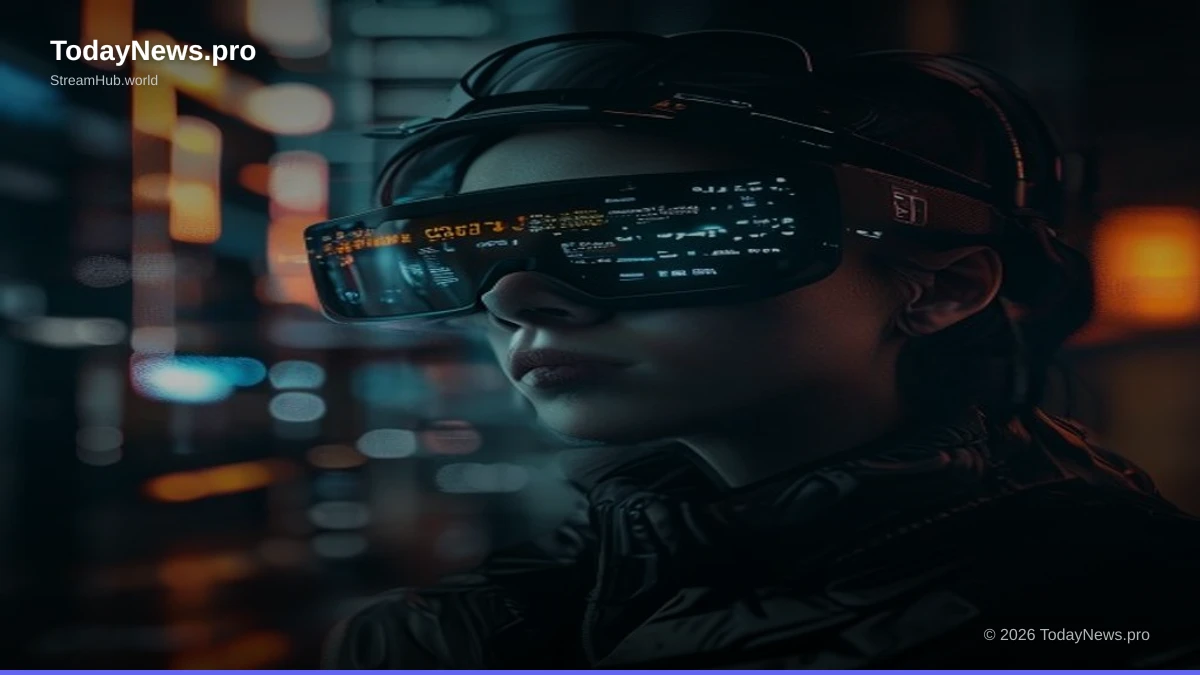
By 2030, the global augmented reality market is projected to reach a staggering value of over $330 billion, signaling a profound shift from niche technology to an integral component of daily life.
The Dawn of Ubiquitous AR
Augmented Reality (AR) is no longer confined to science fiction or the hands of early adopters. By the end of this decade, AR is set to transition from a supplementary tool to an invisible yet indispensable layer of our reality. This pervasive integration will be driven by advancements in hardware, software, and a growing consumer acceptance of digital overlays on the physical world. We are on the cusp of an era where interacting with digital information seamlessly blended with our surroundings will become as natural as checking a smartphone today.
The evolution of AR hardware is central to this transformation. Lightweight, stylish AR glasses, often indistinguishable from regular eyewear, will become increasingly common. These devices will offer wider fields of view, higher resolution displays, and advanced sensor capabilities. Battery life will improve dramatically, allowing for all-day use without constant recharging. This miniaturization and enhanced functionality will pave the way for AR to be worn constantly, becoming a natural extension of our senses rather than a cumbersome accessory. The processing power required will be offloaded to more powerful edge computing devices or the cloud, ensuring a smooth and responsive experience.
Software advancements, particularly in AI and computer vision, will unlock the true potential of AR. Sophisticated object recognition, real-time environmental mapping, and predictive analytics will enable AR systems to understand and interact with the world more intelligently. Imagine walking into a room and having your AR glasses instantly identify furniture, offer maintenance tips, or even suggest redecorating options based on your preferences. This level of contextual awareness is what will make AR truly transformative, moving beyond simple overlays to providing genuinely useful and personalized information.
The AR Ecosystem: Beyond the Headset
While AR glasses will be the primary interface for many, the AR ecosystem will extend far beyond them. Smartphones will continue to play a crucial role, offering accessible entry points for AR experiences. Interactive AR advertising, virtual try-ons for clothing and furniture, and educational AR apps will become commonplace on mobile devices. Furthermore, the development of haptic feedback suits, advanced spatial audio, and even olfactory interfaces could emerge to create more immersive and multi-sensory AR experiences, blurring the lines between the digital and physical even further.
The accessibility of AR will also be amplified through various form factors. Beyond glasses and smartphones, we can anticipate AR integrated into contact lenses for a truly invisible overlay, or even projected directly onto surfaces in our environment. This multi-modal approach ensures that AR can be experienced by a wider demographic, catering to different preferences and needs. The convergence of these technologies creates a rich tapestry of augmented experiences, ready to weave itself into the fabric of our daily routines.
Transforming Our Homes and Workspaces
The impact of AR on our living and working environments will be profound. In our homes, AR will revolutionize interior design, home maintenance, and even cooking. Imagine pointing your AR device at a wall and virtually trying out different paint colors or furniture arrangements before committing to a purchase. Home repair will become more accessible, with AR guides overlaying step-by-step instructions onto appliances or plumbing, reducing the need for professional assistance for many common tasks. For culinary enthusiasts, AR could project recipes directly onto countertops, guide chopping techniques, or even offer real-time nutritional information as you prepare a meal.
The workplace will see an even more significant upheaval. Remote collaboration will be enhanced by AR, allowing colleagues to interact with 3D models and data visualizations as if they were in the same room. Engineers can collaboratively review designs in real-time, architects can walk through virtual buildings, and medical professionals can practice complex procedures in simulated environments. For field service technicians, AR will provide instant access to schematics, diagnostic information, and remote expert assistance, drastically reducing downtime and improving efficiency. The ability to overlay critical data onto a physical piece of equipment in a technician's line of sight can prevent errors and speed up repairs.
AR in the Office: Enhanced Productivity and Collaboration
The traditional office environment will be re-imagined with AR. Meetings could involve participants appearing as realistic avatars in a shared virtual space, or simply have shared digital whiteboards and interactive data projections appear around the physical table. Training modules will become highly interactive, allowing employees to practice tasks in a safe, simulated environment before performing them in the real world. This hands-on approach significantly improves retention and reduces the risk of errors. For example, a new warehouse worker could be guided through an entire picking and packing process with AR overlays, ensuring accuracy and speed from day one.
The benefits extend to management as well. Real-time data dashboards overlaid on physical dashboards or projected into a manager's view can provide instant insights into operational performance. This proactive approach allows for quicker decision-making and resource allocation. The office of 2030 will likely feature fewer physical screens and more dynamic, context-aware digital information delivered through AR interfaces.
Smart Homes Get Smarter with AR
Our homes will become truly intelligent hubs with AR integration. Imagine walking into your kitchen and having your AR glasses display your daily schedule, the weather forecast, and personalized recipe suggestions based on your available ingredients. Controlling smart home devices will become intuitive; a simple gesture or gaze could adjust lighting, temperature, or security systems. AR can also enhance the experience of entertainment, transforming your living room into an interactive gaming arena or providing context-aware information about the movie you're watching, like actor biographies or historical facts. This seamless integration of digital information into our domestic routines promises to make our lives more convenient and engaging.
| Category | Key AR Features | Benefits |
|---|---|---|
| Interior Design & Decor | Virtual furniture placement, paint visualization, room re-configuration | Reduced purchase mistakes, enhanced creativity, cost savings |
| Home Maintenance & Repair | Step-by-step visual guides, diagnostic overlays, remote expert assistance | Empowered DIYers, reduced repair costs, faster problem resolution |
| Cooking & Meal Planning | Projected recipes, interactive instructions, nutritional information, ingredient recognition | Improved cooking skills, healthier eating habits, reduced food waste |
| Smart Home Control | Gesture-based control, visual feedback for device status, context-aware automation | Increased convenience, intuitive interaction, enhanced energy efficiency |
| Entertainment & Gaming | Immersive AR games, interactive movie overlays, virtual art installations | New forms of entertainment, enhanced engagement, personalized experiences |
Revolutionizing Education and Training
The educational landscape is poised for a radical transformation with the widespread adoption of AR. Traditional textbooks and lectures will be supplemented, and in some cases replaced, by immersive AR experiences that bring learning to life. Students will be able to dissect virtual frogs without ethical concerns, explore the human circulatory system in 3D, or walk through ancient Rome as if they were there. This experiential learning approach fosters deeper understanding, improves retention, and caters to diverse learning styles.
Vocational training will benefit immensely. Mechanics can practice engine repairs on virtual engines, surgeons can hone their skills on patient simulations, and pilots can train in highly realistic flight simulators with AR overlays providing critical data and environmental cues. The ability to practice complex or dangerous tasks in a safe, virtual environment before encountering them in the real world significantly reduces risk and accelerates skill acquisition. This hands-on, risk-free learning is invaluable for fields where mistakes can have severe consequences.
AR in the Classroom: From Passive to Active Learning
Classrooms of the future will be dynamic AR environments. History lessons can come alive as students interact with historical figures or witness pivotal events unfold before their eyes. Science experiments can be conducted in virtual labs, allowing for exploration of concepts that are too expensive, dangerous, or complex to replicate physically. AR can also provide personalized learning paths, adapting to each student's pace and understanding, offering targeted support where needed.
The collaborative potential of AR in education is also immense. Students can work together on virtual projects, building 3D models, solving complex problems, or conducting simulated scientific research. This fosters teamwork and communication skills, essential for success in the 21st century. For younger learners, AR can transform abstract concepts into tangible, interactive experiences, making learning more engaging and enjoyable. Imagine a kindergarten class exploring the solar system with planets orbiting around them, or learning about animal habitats by interacting with virtual creatures in their own classroom.
Skill Development Through Immersive AR
The impact of AR on workforce development and upskilling will be particularly significant. Industries facing skill shortages can leverage AR to train new employees rapidly and effectively. For example, in manufacturing, AR can guide assembly line workers through intricate processes, ensuring precision and reducing the learning curve. In healthcare, nurses can practice administering injections or managing patient scenarios in a risk-free AR environment, building confidence and competence. The ability to provide on-demand training and support directly within the workflow is a game-changer.
This also enables continuous learning and adaptation in rapidly evolving fields. Professionals can stay up-to-date with the latest technologies and procedures through AR-powered training modules that can be accessed anytime, anywhere. The democratization of specialized knowledge through AR will empower individuals and organizations alike to remain competitive in a fast-paced global economy.
Redefining Entertainment and Social Interaction
The entertainment industry is ripe for AR disruption, promising more immersive and interactive experiences than ever before. Gaming will be a major beneficiary, with AR blurring the lines between virtual worlds and our physical surroundings. Imagine playing a game where virtual characters appear in your living room, or where your backyard transforms into an alien landscape. This level of immersion will create entirely new genres of games and redefine existing ones, offering unparalleled levels of engagement.
Concerts and sporting events will also be enhanced by AR. Attendees at a live concert might see synchronized visual effects overlaid onto the stage, or have lyrics and artist information appear in their field of view. Sports fans could view real-time player statistics, trajectory analyses of shots, or even replays overlaid onto the action on the field. This adds a new dimension to spectating, making it more informative and exciting for everyone involved, whether they are in the stadium or watching from home.
The Future of Socializing: AR-Enhanced Connections
Social interaction is set to evolve significantly. AR will enable new forms of remote presence and shared experiences. Imagine having a virtual coffee with a friend who lives across the globe, with their realistic avatar sitting across from you, complete with subtle body language. AR can also facilitate new ways to connect in physical spaces. Imagine attending a party and being able to see digital "icebreakers" or shared interests projected above people's heads, making it easier to strike up conversations.
Augmented reality will also unlock new avenues for artistic expression and cultural engagement. Museums and galleries could offer AR experiences that bring exhibits to life, providing deeper context and interactive elements. Public spaces could be transformed into dynamic AR canvases, with digital art installations appearing and disappearing, creating ever-changing urban landscapes. This democratizes access to art and culture, making it more accessible and engaging for a wider audience.
AR in Retail: A Seamless Shopping Experience
The retail sector will see a dramatic shift towards AR-powered shopping. Virtual try-ons for clothing and accessories will become standard, allowing customers to see how items look on them without physically trying them on. Furniture retailers will offer AR tools that let customers visualize how pieces will fit and look in their own homes. This not only enhances the shopping experience but also reduces returns and increases customer satisfaction.
AR can also personalize the in-store experience. Shoppers could receive personalized recommendations and promotions as they browse, or have AR navigation guide them to specific products. This blends the convenience of online shopping with the tangible experience of brick-and-mortar stores, creating a hybrid model that caters to evolving consumer preferences. The ability to virtually place any product into one's environment before purchasing is a powerful driver of consumer confidence.
Navigating the Physical World with Digital Overlays
The way we navigate our physical environment will be fundamentally altered by AR. Navigation apps will evolve from 2D maps to intuitive 3D overlays projected onto our view of the real world. Imagine walking down a street and seeing clear arrows and directions seamlessly integrated with the actual road ahead, eliminating the need to constantly look down at a phone. This will make navigating unfamiliar cities or complex indoor spaces significantly easier and safer.
Beyond simple navigation, AR will enhance our understanding of our surroundings. Pointing your AR device at a building could reveal its history, current tenants, or upcoming events. In a city park, you might see information about the flora and fauna, or discover hidden historical markers. This contextual information layer transforms every outing into an opportunity for discovery and learning, enriching our everyday experiences.
AR in Transportation: Safer and Smarter Journeys
The automotive industry is a prime candidate for AR integration. Heads-up displays (HUDs) in vehicles will become more sophisticated, projecting navigation, speed, and safety alerts directly onto the windshield, keeping drivers' eyes on the road. For autonomous vehicles, AR will provide occupants with detailed information about the vehicle's environment and decision-making processes, fostering trust and understanding.
Public transportation will also benefit. AR signage can guide passengers through complex transit hubs, and information about arrival times, delays, and routes can be overlaid onto the physical environment. This reduces confusion and improves the overall travel experience for commuters and tourists alike. The seamless integration of digital information into our visual field will make travel more efficient and less stressful.
Augmented Reality for Accessibility
AR holds immense potential to improve accessibility for individuals with disabilities. For example, AR glasses could provide real-time captions for conversations, assist individuals with visual impairments by identifying objects and hazards in their path, or offer sign language interpretation overlays. This technology can empower individuals, enabling them to participate more fully in society and navigate their environments with greater independence and confidence.
The ability to customize AR experiences to individual needs is key. Whether it's adjusting font sizes, contrast ratios, or the type of information displayed, AR can be tailored to provide a truly personalized and supportive experience. This opens up new possibilities for independent living and participation for a significant portion of the population.
Challenges and Ethical Considerations
Despite the immense potential, the widespread adoption of AR by 2030 will not be without its challenges and ethical considerations. Privacy is a paramount concern. As AR devices become more pervasive, they will collect vast amounts of data about our movements, interactions, and environments. Robust regulations and transparent data handling practices will be crucial to prevent misuse and protect individual privacy. The constant recording capabilities of AR devices raise significant concerns about surveillance and personal autonomy.
The digital divide could also be exacerbated. If AR technology remains expensive or inaccessible to certain populations, it could create a new form of inequality, where those with access gain significant advantages in education, employment, and daily life. Ensuring equitable access to AR hardware and software will be a critical societal challenge. Furthermore, the development of AR technology must consider the potential for addiction and the impact of constant digital stimulation on mental well-being.
The Specter of Misinformation and Manipulation
The ability to overlay digital information onto reality also opens the door to new forms of misinformation and manipulation. "Deepfakes" in AR could become a significant threat, creating realistic but fabricated scenarios that are difficult to distinguish from reality. The spread of propaganda or malicious advertising through AR overlays could have profound societal consequences. Developing sophisticated methods for content verification and fostering media literacy will be essential defenses against these threats.
The ethical implications of AR extend to its impact on human interaction. Over-reliance on AR for social connection could lead to a decline in face-to-face communication skills. The constant availability of digital entertainment and distraction could also impact our ability to be present and engaged in the real world. Finding a healthy balance between digital and physical engagement will be crucial for individual and societal well-being.
Ensuring Responsible AR Development
The development of AR technology must be guided by a strong ethical framework. This includes prioritizing user safety, ensuring data security, and fostering inclusivity. Manufacturers and developers will need to be held accountable for the ethical implications of their products. Public discourse and policy development will play a vital role in shaping a future where AR enhances, rather than detracts from, human well-being and societal progress. International cooperation will be necessary to establish global standards for AR development and deployment.
The Economic Impact of AR by 2030
The economic ramifications of AR by 2030 are projected to be colossal. Beyond the market value of the technology itself, AR will act as a catalyst for innovation and efficiency across numerous industries. Increased productivity, reduced operational costs, and the creation of entirely new business models will drive significant economic growth. Sectors like manufacturing, healthcare, retail, and entertainment are expected to see substantial returns on investment as they integrate AR solutions into their operations.
The job market will also experience a significant shift. While some roles may be automated, new opportunities will emerge in AR development, design, content creation, and maintenance. The demand for skilled professionals capable of building, deploying, and managing AR systems will soar. Furthermore, AR will empower existing workers with enhanced tools and capabilities, leading to a more skilled and adaptable workforce overall. This necessitates a proactive approach to education and retraining.
New Business Models and Revenue Streams
AR will foster the creation of entirely new business models and revenue streams. Subscription services for AR content, in-AR advertising, and virtual goods within AR environments will become significant economic drivers. Companies will leverage AR to offer personalized customer experiences, enhance brand engagement, and create new avenues for product discovery and sales. The ability to provide virtual showrooms and immersive product demonstrations will revolutionize how businesses connect with their customers.
For example, real estate agencies can offer virtual tours of properties to potential buyers anywhere in the world, significantly expanding their reach. Architects and designers can collaborate on projects in shared virtual spaces, visualizing their creations in real-time. The possibilities for innovation are virtually limitless, promising a dynamic and competitive economic landscape driven by AR technologies.
The path to a fully AR-integrated society by 2030 is ambitious but increasingly probable. As the technology matures and becomes more accessible, its potential to reshape our homes, workplaces, educational institutions, and social lives is undeniable. The coming years will be crucial in navigating the opportunities and challenges, ensuring that augmented reality unfolds as a force for progress and human betterment.