

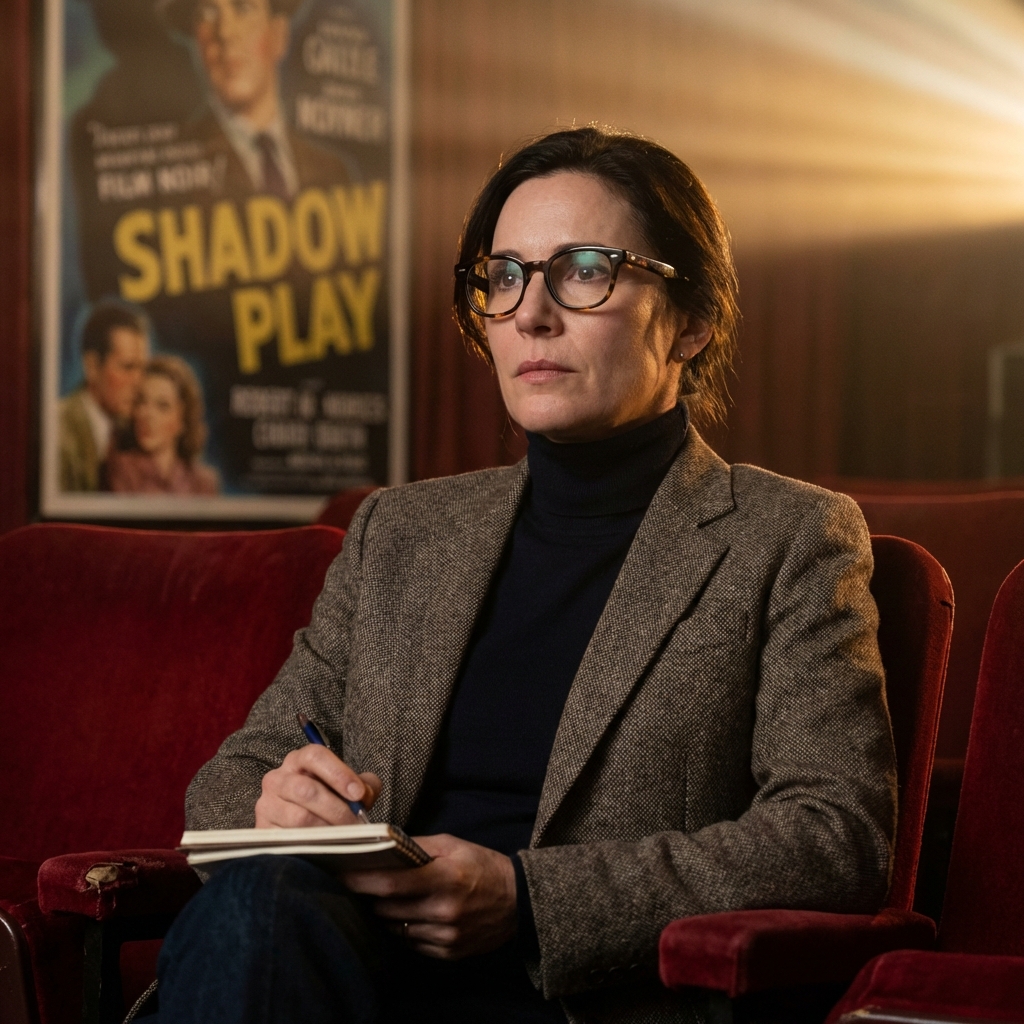
 Kenji Sato
⏱ 20 min
The global Artificial Intelligence market is projected to reach $1.59 trillion by 2030, a testament to its rapidly expanding influence across every sector, including the deeply human realm of creative industries.
The Dawn of Algorithmic Creativity
The notion of machines creating art was once confined to science fiction, a philosophical musing on the boundaries of consciousness and creativity. Today, this concept is a palpable reality, driven by the exponential advancements in Artificial Intelligence, particularly in the fields of machine learning and neural networks. AI algorithms are no longer just tools for data analysis; they are becoming sophisticated collaborators, and in some instances, independent creators, producing works that challenge our definitions of artistry. The development of generative AI models, such as Generative Adversarial Networks (GANs) and large language models (LLMs), has been pivotal. These systems learn from vast datasets of existing art, music, and text, identifying patterns and stylistic nuances that they can then recombine and extrapolate to generate entirely new content. This capability is not merely about imitation; it's about synthesis and innovation, pushing the envelope of what is aesthetically possible.From Data to Da Vinci: The Evolution of Generative AI
The journey of AI in creative fields began with rudimentary forms of algorithmic art, often rule-based systems producing predictable, albeit novel, patterns. However, the advent of deep learning revolutionized this landscape. GANs, introduced by Ian Goodfellow and his colleagues in 2014, marked a significant leap. These networks consist of two parts: a generator that creates new data instances and a discriminator that evaluates them for authenticity. Through an iterative process, the generator learns to produce increasingly realistic outputs that can fool the discriminator, leading to remarkably lifelike images, compositions, and even written pieces. LLMs, like those powering advanced chatbots, can now write poetry, scripts, and even entire novels, demonstrating a grasp of narrative structure, emotional tone, and stylistic consistency that was previously unthinkable.The Democratization of Creation
One of the most profound impacts of AI in creative industries is its potential to democratize the creation process. Previously, producing high-quality art, music, or sophisticated visual effects required years of specialized training, expensive equipment, and significant financial investment. AI-powered tools are lowering these barriers, enabling individuals with less formal training to bring their creative visions to life. Imagine a budding filmmaker using AI to generate realistic CGI characters or an aspiring musician using AI to compose intricate orchestral arrangements. This accessibility is fostering a new wave of creators and diversifying the artistic landscape, allowing voices and perspectives that might have remained unheard to emerge.2014
Year GANs were Introduced
1.59 T
Projected AI Market by 2030 (USD Trillions)
85%
Of jobs may be altered by AI (WEF Estimate)
Hollywoods Digital Muse: Reshaping Storytelling and Production
The entertainment industry, a powerhouse of creativity and technological innovation, is at the forefront of AI integration. From pre-production to post-production, AI is proving to be an invaluable asset, streamlining workflows, enhancing visual fidelity, and even aiding in script development. The sheer volume of data involved in filmmaking – from script analysis to visual effects rendering – makes it a fertile ground for AI applications. The industry’s drive for efficiency and its constant pursuit of groundbreaking visuals are perfectly aligned with the capabilities offered by advanced AI systems.Scriptwriting and Story Development
AI is beginning to play a role in the very genesis of cinematic narratives. LLMs can analyze vast libraries of successful scripts, identifying narrative structures, character archetypes, and dialogue patterns that resonate with audiences. They can then assist human writers by generating plot outlines, character backstories, or even drafting dialogue, acting as sophisticated brainstorming partners. While AI is unlikely to replace the nuanced emotional intelligence of a human screenwriter entirely, it can significantly accelerate the initial stages of ideation and overcome writer's block. This collaborative approach allows writers to focus on the more complex, human-centric aspects of storytelling.Visual Effects and Animation
The realm of visual effects (VFX) and animation has seen some of the most dramatic AI-driven transformations. AI algorithms are now capable of generating photorealistic textures, animating complex character movements with uncanny realism, and even creating entirely synthetic environments. Tools like deepfakes, while controversial, demonstrate AI's ability to manipulate and generate realistic imagery. In animation, AI can assist with tasks such as in-betweening (generating frames between key poses), character rigging, and motion capture cleanup, drastically reducing production times and costs. Furthermore, AI is being used to generate concept art and storyboards, visualizing scenes and characters with remarkable speed and detail, allowing directors to make informed decisions earlier in the process.AI-Powered Editing and Post-Production
The editing suite is another area where AI is making its mark. AI tools can analyze footage, identify the best takes, and even suggest optimal cuts based on pacing, emotional impact, and narrative flow. This doesn't mean AI is dictating the final edit; rather, it's providing editors with intelligent suggestions and automating repetitive tasks, freeing them to concentrate on the artistic and storytelling nuances of the film. AI-powered color grading and sound design tools are also emerging, capable of achieving professional results with greater efficiency and precision.AI Investment in Hollywood Production (Estimated by Segment)
The Peril of Deepfakes and Copyright Concerns
While the advancements are exciting, they also bring significant ethical and legal challenges. The rise of deepfakes, AI-generated synthetic media that can depict individuals saying or doing things they never did, raises serious concerns about misinformation, reputation damage, and the potential for misuse. Hollywood studios and actors are grappling with how to protect their likeness and intellectual property in an era where digital replicas can be generated with increasing ease. Copyright law, originally designed for human creators, is struggling to keep pace with AI-generated content. Who owns the copyright to a painting created by an AI? The programmer, the user who prompted it, or the AI itself? These are complex questions that legal systems worldwide are beginning to address."The power to create is becoming more distributed, but with that comes a responsibility to ensure authenticity and prevent malicious use. We're in uncharted territory."
— Dr. Anya Sharma, AI Ethicist
The Sound of the Future: AI in Music Creation
The music industry, a realm built on emotion, melody, and rhythm, is also experiencing a profound AI-driven metamorphosis. AI is no longer just a tool for mastering or recommendation; it's actively participating in the creative process, from composition to performance. The ability of AI to analyze vast datasets of musical genres, artists, and styles allows it to generate original melodies, harmonies, and even complete songs that can be indistinguishable from human-created works. This technology is opening up new avenues for sonic exploration and democratizing music production.Algorithmic Composition and Production
AI models can be trained on specific musical styles, learning the underlying patterns, chord progressions, and rhythmic structures. This enables them to generate music in the vein of a particular artist or genre, or even to blend disparate styles into something entirely new. Tools like Amper Music, AIVA (Artificial Intelligence Virtual Artist), and Jukebox by OpenAI are already demonstrating impressive capabilities in composing original scores for films, commercials, and video games. These AI systems can generate music tailored to specific moods, durations, and instrumentation requirements, offering a fast and cost-effective alternative to traditional composition.AI as a Collaborative Partner
Beyond generating entire pieces, AI can serve as a powerful collaborative tool for human musicians. It can suggest chord progressions, generate drum beats, or create instrumental arrangements that a composer can then refine and build upon. This symbiotic relationship allows musicians to explore creative ideas more rapidly, break through creative blocks, and experiment with sounds and styles they might not have previously considered. For aspiring musicians, AI can provide a learning platform, demonstrating musical theory in practice and offering immediate feedback on their compositions.| AI Music Platform | Primary Function | Notable Features |
|---|---|---|
| AIVA | AI Composer | Creates soundtracks for films, games, and commercials; trained on classical music |
| Amper Music | AI Music Generation | Generates royalty-free music for content creators; customizable by mood, genre, and duration |
| Jukebox (OpenAI) | AI Music Generation | Generates music with singing in various styles and artists; requires significant computational power |
| Soundraw | AI Music Generator | Allows users to generate and customize music by selecting genre, mood, and instruments |
The Evolution of Sound Design
AI is also impacting sound design, the art of creating and manipulating auditory elements in media. AI algorithms can generate realistic sound effects, from the roar of a dinosaur to the subtle rustle of leaves, based on textual descriptions or visual cues. This drastically reduces the time and effort required for sound designers to find or create specific sounds. Furthermore, AI can be used to intelligently mix and master audio, optimizing sound quality for various platforms and ensuring a consistent listening experience.Beyond the Canvas: AIs Brushstrokes in Visual Arts and Design
The visual arts, long considered the epitome of human expression and skill, are now being infused with the power of AI. Digital art, illustration, graphic design, and even fine art are witnessing unprecedented innovation as AI tools become more sophisticated and accessible. These technologies are not merely replicating existing styles but are forging new aesthetic territories, challenging our perceptions of authorship and creativity.AI Art Generators: A New Medium
Platforms like Midjourney, DALL-E 2, and Stable Diffusion have captured the public imagination, allowing users to generate stunningly detailed and imaginative images from simple text prompts. These AI art generators operate by learning from massive datasets of images and their associated text descriptions. When a user provides a prompt, the AI interprets it and synthesizes an image that aligns with its learned understanding of the words and visual concepts. This has led to a surge in AI-generated art, with pieces fetching significant sums at auction and sparking intense debate about artistic merit and originality.Revolutionizing Graphic Design and Advertising
In graphic design, AI is streamlining the creation of logos, marketing materials, and website layouts. AI tools can analyze brand guidelines and user preferences to generate design options, suggest color palettes, and optimize typography. For advertisers, AI can generate multiple variations of ad creatives, test their effectiveness, and personalize campaigns at scale. This not only increases efficiency but also allows for more data-driven and targeted creative output.700+
Million Images in Midjourney v5 Dataset
30+
Seconds to Generate Complex Image (Avg.)
300%
Increase in AI Art Sales (Projected)
The Future of Fashion and Product Design
The influence of AI extends to tangible creations like fashion and product design. AI algorithms can analyze trends, predict consumer preferences, and even generate novel garment designs or product prototypes. This allows designers to explore a wider range of possibilities and to bring innovative ideas to market faster. AI can also optimize manufacturing processes, reduce material waste, and personalize products to an unprecedented degree.Ethical Frontiers and the Human Element
The rapid integration of AI into creative industries is not without its challenges. Ethical considerations, copyright disputes, and the existential question of the human artist's role are at the forefront of this evolving landscape. While AI offers powerful new tools, the discussion often returns to the irreplaceable value of human creativity, intention, and lived experience.Authorship, Copyright, and Intellectual Property
One of the most contentious issues is the question of authorship and copyright for AI-generated works. Current copyright laws are largely predicated on human creation. When an AI generates an image or a piece of music, who is the legal author? Is it the programmer who developed the AI, the user who provided the prompt, or the AI itself? Several legal battles are already underway, and international copyright frameworks will need to adapt to this new reality. The potential for AI to mimic existing artists’ styles also raises concerns about plagiarism and the protection of intellectual property."AI can be an incredible assistant, a muse, or even a co-creator. But the soul, the intention, the 'why' behind the art – that still resides with the human."
— Elena Petrova, Renowned Digital Artist
The Value of Human Creativity in an AI World
Despite AI's growing capabilities, the unique value of human creativity remains paramount. The ability to imbue art with personal experience, cultural context, emotional depth, and nuanced intent is something that current AI systems cannot replicate. Human artists bring their life stories, their struggles, their joys, and their unique perspectives to their work, creating connections that resonate on a deeper level. AI can be a tool to amplify human creativity, but it is unlikely to fully replace the inimitable spark of human genius. The future likely involves a symbiotic relationship, where AI enhances human capabilities rather than supplanting them.Bias in AI and Representation
AI models are trained on data, and if that data contains biases, the AI will perpetuate those biases. This can manifest in AI art generators producing stereotypical depictions of certain demographics or AI music tools favoring certain musical traditions over others. Ensuring diversity and fairness in the datasets used to train these models is crucial to prevent the entrenchment of harmful biases within creative outputs. The industry must actively work to create AI systems that are inclusive and representative of the diverse world we inhabit. Wikipedia: Artificial Intelligence in ArtThe Future is Now: Embracing the AI Renaissance
The integration of AI into creative industries is not a distant hypothetical; it is a present reality that is rapidly reshaping how we conceive, produce, and consume art, music, and media. While challenges and ethical dilemmas persist, the potential for innovation and democratized creativity is immense. The "AI Renaissance" is upon us, promising a future where technology and human ingenuity collaborate to unlock new frontiers of artistic expression.New Roles and Skillsets
The rise of AI is creating new job roles and demanding new skillsets within the creative sector. "AI prompt engineers," who specialize in crafting effective prompts for AI art generators, are already in demand. Similarly, roles focused on AI integration, ethical oversight, and the curation of AI-generated content will become increasingly important. Creative professionals will need to adapt, learning to leverage AI tools to enhance their existing skills and to explore new creative avenues. The ability to collaborate with AI will become a crucial competency.The Evolving Definition of Art
As AI continues to push the boundaries of what is aesthetically possible, our very definition of art and creativity may evolve. We may come to appreciate different forms of authorship and value the process of human-AI collaboration. The conversation will likely shift from "Can machines create art?" to "What new forms of art can we create *with* machines?" This philosophical shift will be as significant as the technological one. Reuters: AI art generators create new copyright challengesA Collaborative Future
The most exciting prospect is the potential for a deeply collaborative future between humans and AI in the creative realm. AI can handle repetitive tasks, generate novel ideas, and provide powerful creative tools, while humans can provide the vision, the emotional intelligence, the critical judgment, and the cultural context that give art its meaning. This synergy promises to unlock unprecedented levels of creativity, making artistic expression more accessible, diverse, and impactful than ever before. The journey is just beginning, and the canvas of possibility is vast.Can AI truly be considered an artist?
The debate is ongoing. Currently, AI is viewed more as a sophisticated tool or collaborator rather than an autonomous artist with consciousness and intent. While AI can generate outputs that mimic artistic creation, the concept of artistry is deeply tied to human experience, emotion, and intention, which AI currently lacks.
Will AI replace human artists in the long run?
It's unlikely that AI will entirely replace human artists. Instead, it's expected to transform creative roles. AI can automate certain tasks, augment human creativity, and open new avenues for artistic expression. Human artists will likely focus on conceptualization, emotional depth, ethical considerations, and unique artistic vision, working in collaboration with AI tools.
How is AI impacting the music industry?
AI is impacting the music industry by assisting in music composition, generating melodies and harmonies, creating soundtracks for media, and aiding in sound design and mastering. It also personalizes music recommendations and can be used to analyze music trends.
What are the main ethical concerns surrounding AI in art?
Key ethical concerns include issues of authorship and copyright for AI-generated works, the potential for AI to perpetuate biases present in training data, the misuse of AI for creating deepfakes and misinformation, and the economic impact on human artists and creative professionals.