

 Diana Prince
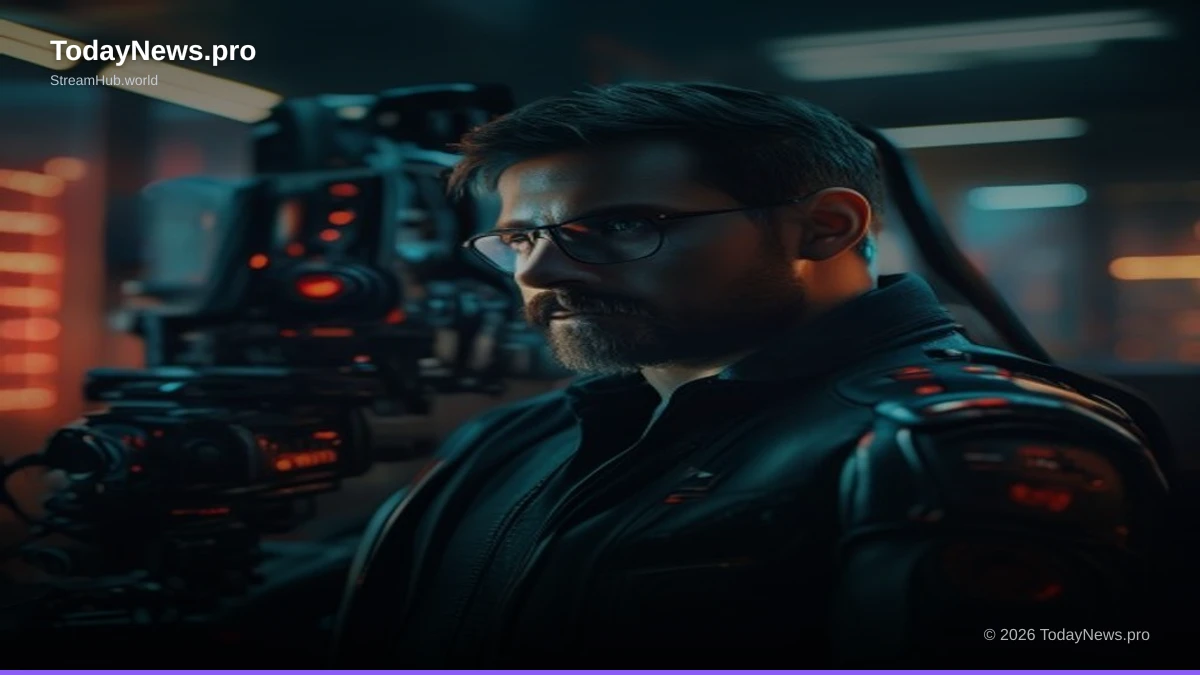
In 2023, the global film industry generated an estimated $100 billion in box office revenue, a figure increasingly influenced by unseen algorithmic forces guiding everything from script development to audience targeting.
The Unseen Hand: AIs Infiltration of Hollywood
The hallowed halls of Hollywood, once the exclusive domain of human creativity and intuition, are now experiencing a profound technological metamorphosis. Artificial intelligence, far from being a futuristic concept, is rapidly becoming an indispensable tool across the entire filmmaking spectrum. This isn't a subtle shift; it's a fundamental reshaping of how stories are conceived, produced, distributed, and consumed. From the initial spark of an idea to the final frame hitting a viewer's screen, algorithms are quietly, and sometimes not so quietly, taking on roles previously held solely by human artists and technicians. The implications are vast, promising unprecedented efficiency and novel creative avenues, while simultaneously raising critical questions about authorship, artistic integrity, and the future of human jobs within the industry.
The integration of AI is not monolithic; it manifests in diverse ways, each with its own set of advantages and challenges. For some studios, AI represents a powerful engine for cost reduction and accelerated workflows. For others, it's a tantalizing new paintbrush, offering possibilities for visual effects and narrative structures previously unimaginable. This dual nature fuels ongoing debates about the ultimate impact of AI on the art form, setting the stage for a cinematic landscape that will likely look very different in the coming decade.
From Pixels to Plot: AI in Pre-Production
The journey of a film begins long before the cameras roll, and it is in this nascent stage of pre-production that AI is making some of its most significant inroads. Script analysis and generation are no longer the sole purview of seasoned writers. AI-powered platforms can now dissect existing screenplays, identifying narrative patterns, character arcs, and thematic consistencies that resonate with audiences. These tools can predict box office success by analyzing script elements against historical data, offering invaluable insights to producers and financiers.
Furthermore, AI is venturing into the creative act of writing itself. While current AI-generated scripts may lack the nuanced emotional depth of human-authored works, they can serve as powerful brainstorming tools, generating plot outlines, dialogue variations, and character backstories. This "co-writing" approach allows human writers to overcome creative blocks and explore a wider range of narrative possibilities. The speed at which AI can process vast datasets of literature and film provides a unique advantage in identifying trends and potential audience preferences, influencing which stories get greenlit and how they are shaped.
Beyond the narrative, AI is streamlining the logistical nightmares of pre-production. Storyboarding can be automated, with AI generating visual representations of scenes based on script descriptions. Casting directors can leverage AI to analyze actor performances from vast digital archives, identifying individuals whose past roles and on-screen presence best align with character requirements. This predictive casting can save time and resources, potentially leading to more cohesive and impactful ensemble performances. The ability to simulate different casting scenarios without the need for physical auditions represents a significant efficiency gain.
Script Analysis and Predictive Success
AI algorithms are being trained on colossal libraries of scripts and box office data. By identifying correlations between plot points, character archetypes, dialogue styles, and commercial success, these systems can offer a probabilistic forecast for a script's potential performance. This predictive power is not absolute, but it provides a data-driven layer to the often subjective decision-making process in Hollywood. Studios are increasingly using these insights to de-risk investments and focus on projects with a higher likelihood of audience engagement.
AI-Assisted Storytelling
The concept of AI as a co-writer is gaining traction. Tools can now generate scene descriptions, suggest plot twists, or even draft entire sequences based on user prompts and stylistic parameters. While the soul of storytelling remains human, AI can act as a tireless collaborator, presenting novel ideas and alternative directions that a human writer might not have considered. This augmentation of the creative process is seen by many as a valuable asset, not a replacement, for human ingenuity.
The Algorithmic Actor: AIs Role on Set
The notion of artificial intelligence stepping onto the physical set might seem like science fiction, but AI's influence here is more about enhancing human capabilities and creating entirely new visual possibilities. Digital doubles, created through sophisticated AI and motion capture, are becoming increasingly common, allowing for the de-aging of actors or the performance of dangerous stunts without risking human safety. The uncanny valley is shrinking as AI-powered facial animation and performance capture technologies mature, enabling digital characters to convey a wider range of emotions with greater realism.
Beyond digital performances, AI is also optimizing the practicalities of filming. AI-powered cameras can autonomously track subjects, adjust focus and exposure in real-time, and even suggest optimal camera angles based on scene context and established cinematic principles. This can free up cinematographers to focus more on artistic composition and lighting, while the AI handles some of the more technically demanding, repetitive tasks. Furthermore, AI can assist in virtual production environments, seamlessly integrating digital sets with live-action footage, accelerating complex scene builds and reducing the need for extensive physical location scouting.
However, the rise of digital actors and AI-driven performance capture raises profound questions about intellectual property, likeness rights, and the very definition of an actor's performance. The ability to digitally recreate an actor's likeness and voice, potentially for decades after their involvement in a project, presents a new frontier in contract negotiations and ethical considerations. The Screen Actors Guild (SAG-AFTRA) has been at the forefront of these discussions, advocating for clear guidelines to protect performers' rights in an AI-augmented production landscape. The potential for AI to generate performances without the need for human actors, while still largely theoretical for nuanced roles, looms as a significant future concern.
Digital Doubles and Performance Capture
AI, combined with advanced motion capture technology, allows for the creation of highly realistic digital actors. This is used for de-aging, recreating deceased actors, or performing stunts that would be too dangerous for humans. The fidelity of these digital performances is rapidly improving, blurring the lines between the real and the artificial.
On-Set Efficiency with AI
AI algorithms can now assist with camera operation, ensuring perfect focus and tracking. They can also analyze scene data to suggest optimal camera placements and movements, streamlining the shooting process. This allows human crew members to concentrate on more creative aspects of filmmaking.
Post-Productions Digital Maestro: AI in Editing and VFX
The post-production phase of filmmaking, where raw footage is sculpted into a finished product, is arguably where AI has had the most immediate and transformative impact. Editing software is increasingly embedding AI features that can automate tedious tasks, such as scene cutting, color correction, and sound synchronization. AI can analyze footage for continuity errors, identify the best takes, and even suggest pacing adjustments based on emotional cues detected in the audio and visual data. This dramatically accelerates the editing process, allowing editors to focus on narrative flow and artistic refinement rather than mundane technicalities.
Visual effects (VFX) are another domain revolutionized by AI. Complex tasks like rotoscoping, background removal, and digital compositing, which once required armies of artists and countless hours of manual labor, are now being partially or fully automated by AI algorithms. AI can intelligently identify and isolate objects within an image, generate realistic textures, and even predict how lighting and shadows would interact in a scene. This not only reduces costs but also enables filmmakers to achieve visual spectacles that were previously prohibitively expensive or technically impossible. Generative AI models are also being explored for creating entirely new assets, from alien landscapes to fantastical creatures, with unprecedented speed and detail.
The efficiency gains are undeniable. What used to take weeks of painstaking work can now be achieved in days, or even hours. This speed allows for greater iteration during the post-production process, enabling directors to experiment with different cuts and visual styles more freely. However, the sophisticated nature of AI in VFX also raises questions about artistic authorship. When an AI generates a stunning visual element or seamlessly integrates a digital character into a live-action scene, who is the true artist? Is it the programmer who designed the algorithm, the director who guided its output, or the AI itself? These are complex ethical and legal debates that are only just beginning.
Automated Editing Tasks
AI can now perform tasks like identifying and logging shots, creating rough cuts based on script cues, and ensuring audio-visual synchronization. This frees up human editors to concentrate on the artistic and narrative aspects of storytelling.
Revolutionizing Visual Effects
AI is transforming VFX by automating laborious processes like rotoscoping, object removal, and background generation. It can also be used to create realistic textures, lighting effects, and even entirely new digital assets, significantly reducing costs and production time.
| Task | AI-Assisted Time Reduction | Traditional Time Required (Estimate) |
|---|---|---|
| Rotoscoping | 70% | 2-4 weeks per minute of footage |
| Background Removal | 60% | 3-5 days per scene |
| Color Grading (Basic) | 50% | 1-2 days per film |
| Sound Synchronization | 40% | 1 day per hour of footage |
The Audience Algorithm: AI and Distribution
Once a film is completed, the challenge shifts to reaching its intended audience. Here, AI plays a pivotal role in modern distribution and marketing strategies. Streaming platforms, for instance, are heavily reliant on AI-powered recommendation engines. These algorithms analyze user viewing habits, ratings, and search queries to suggest films that individual viewers are most likely to enjoy. This personalization drives engagement and retention, keeping audiences subscribed and discovering new content within vast libraries.
Beyond direct recommendations, AI is also instrumental in understanding audience sentiment and predicting market trends. Social media monitoring tools, powered by natural language processing (NLP), can track public opinion about upcoming films, identify emerging genres, and even gauge the effectiveness of marketing campaigns. This data-driven approach allows studios to refine their promotional strategies, target specific demographics with tailored advertising, and make more informed decisions about release dates and distribution channels. The ability to predict what audiences want, or what they are about to want, is a significant competitive advantage in the crowded entertainment landscape.
Furthermore, AI is being used to optimize theatrical release strategies, analyzing geographic data, local demographics, and historical box office performance to recommend optimal cinema placements and showtimes. For independent filmmakers and smaller distributors, AI can democratize access to audiences by identifying niche markets and cost-effective promotional channels that might otherwise be overlooked. The continuous feedback loop between audience consumption data and AI analysis ensures that distribution strategies are constantly evolving and becoming more precise.
Personalized Recommendations
Streaming services use AI to analyze viewer data and provide personalized film recommendations, increasing engagement and helping users discover content tailored to their preferences.
Market Trend Analysis and Marketing Optimization
AI tools monitor social media and public sentiment to identify emerging trends, gauge audience reactions to trailers, and optimize marketing campaigns for maximum impact and targeted reach.
Ethical Labyrinths and Creative Futures
The rapid integration of AI into filmmaking is not without its complexities and controversies. One of the most pressing concerns revolves around authorship and intellectual property. When AI generates script elements, designs characters, or creates visual effects, who owns the copyright? The current legal framework is struggling to keep pace with these advancements, leading to potential disputes and a blurring of lines regarding creative ownership. The use of AI to mimic the styles or likenesses of existing artists without their consent also presents a significant ethical quandom.
Job displacement is another major concern. As AI automates more tasks in pre-production, production, and post-production, there is a legitimate fear that human roles will diminish. While some argue that AI will create new jobs in areas like AI oversight and prompt engineering, the net effect on employment levels within the creative industries remains a subject of intense debate. The reliance on AI could also lead to a homogenization of creative output if algorithms begin to favor statistically proven formulas over genuinely novel or challenging artistic expressions. This could stifle innovation and lead to a landscape of predictable, algorithmically optimized entertainment.
Furthermore, the potential for deepfakes and misinformation generated by AI poses a serious threat to the integrity of visual media. While these technologies can be used for creative purposes, their misuse could lead to the fabrication of events or statements, undermining public trust. Establishing robust ethical guidelines, transparent usage policies, and clear legal frameworks will be crucial in navigating these challenges and ensuring that AI serves as a tool for enhancing, rather than undermining, the art of filmmaking.
The question of bias in AI is also paramount. If AI systems are trained on data that reflects existing societal biases, they can perpetuate and even amplify those biases in the films they help create. This could lead to the underrepresentation or misrepresentation of certain groups, further entrenching stereotypes. Rigorous auditing and diverse training datasets are essential to mitigate these risks.
Will AI replace human screenwriters?
How will AI affect the job market in Hollywood?
Who owns the copyright for AI-generated content in films?
Can AI be used to create deepfakes of actors?
The Human Element: Collaboration, Not Replacement
Amidst the rapid advancements and discussions surrounding AI, it is crucial to remember that filmmaking remains an inherently human endeavor. The most compelling stories, the most moving performances, and the most innovative visual spectacles are born from human imagination, empathy, and collaboration. AI, in its current and foreseeable forms, is best viewed as a powerful suite of tools that can augment human creativity, streamline workflows, and unlock new possibilities. The future of filmmaking is not one of AI directors replacing human ones, but rather of human directors leveraging AI to achieve their artistic visions with greater efficiency and scope.
The key to a successful integration lies in fostering a collaborative relationship between humans and AI. This means equipping filmmakers with the knowledge and skills to effectively utilize AI tools, establishing ethical frameworks that prioritize human well-being and artistic integrity, and ensuring that the ultimate creative control remains in human hands. The unique insights, emotional intelligence, and subjective experiences that humans bring to storytelling are irreplaceable. AI can analyze data, generate patterns, and perform complex computations, but it cannot replicate the spark of human genius or the profound connection that art fosters between creators and their audiences.
As the industry navigates this technological frontier, the emphasis must remain on how AI can empower human artists, amplify their voices, and help them tell stories that resonate on a deeply human level. The goal should not be to automate creativity, but to elevate it, making the filmmaking process more accessible, efficient, and ultimately, more capable of producing the magic that has always defined cinema. The future is likely to be a hybrid one, where the distinct strengths of human creativity and artificial intelligence converge to forge a new era of cinematic artistry, one that is both technically advanced and deeply emotionally resonant. The conversation must continue, ensuring that technology serves art, and not the other way around.
Ultimately, the narrative power of cinema stems from its ability to connect with the human condition. AI can assist in crafting the visual tapestry and optimizing the delivery of these narratives, but the soul of the story – the emotions, the struggles, the triumphs – will continue to be a fundamentally human domain. The challenge for the industry is to harness AI's capabilities responsibly, ensuring that it amplifies human creativity and storytelling, rather than diminishing it, and that the essence of what makes a film resonate with us deeply remains at its core.